LAHORE: Former US President Barack Obama has made a point of ending each year by releasing a list of the books and songs that he most enjoyed over the past year and 2017’s list included a novel by Pakistani author Mohsin Hamid.
“During my presidency, I started a tradition of sharing my reading lists and playlists,” Obama wrote on Facebook at the end of the year. “It was a nice way to reflect on the works that resonated with me and lift up authors and artists from around the world. With some extra time on my hands this year to catch up, I wanted to share the books and music that I enjoyed most.”
Hamid’s “Exit West,” a novel that was published in 2017 and deals with emigration and refugee life, made the most recent list. The author’s previous books include “Moth Smoke,” “The Reluctant Fundamentalist” and “How to Get Filthy Rich in Rising Asia.”
The novel, which is part fantasy, follows the journey of a young couple in an unnamed city who seek to escape the civil war raging around them through a series of mysterious doors that take them further and further away.
Hamid’s book has been praised by critics and book-lovers alike — it made it on to Time magazine’s top ten novels of 2017 list and was also longlisted for the Man Booker Prize for Fiction. The book’s film rights have been purchased by American film making team the Russo Brothers, so fans can expect a feature-length film based on the story in the future.
Obama’s list includes a diverse range of female authors and other international writers, including Jesmyn Wards “Sing, Unburied, Sing” and “The Power” by Naomi Alderman.


![]()
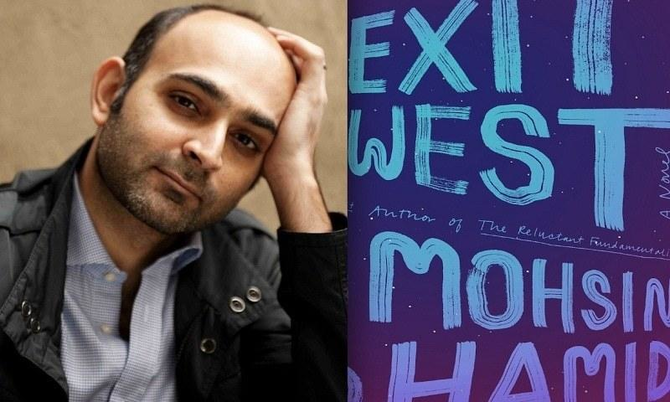
Obama lists Pakistani author’s book among his best of 2017
Obama lists Pakistani author’s book among his best of 2017

Latest updates


© 2026 SAUDI RESEARCH & PUBLISHING COMPANY, All Rights Reserved And subject to Terms of Use Agreement.