LONDON: Apple and Amazon are in discussions with Saudi authorities about investing in the Kingdom, two sources told Reuters on Thursday.
A third source confirmed that Apple was in talks with SAGIA, Saudi Arabia’s foreign investment authority, which authorizes licenses to do business in the Kingdom.
The source told Reuters that Amazon’s discussions are being led by cloud computing division Amazon Web Services (AWS), a move that could act as a stepping-stone for launching the US tech giant’s retail services in Saudi Arabia.
A licensing agreement for Apple stores with SAGIA is expected by February, with an initial retail store targeted for 2019, two sources familiar with the discussions told Reuters.
Amazon’s talks are in earlier stages and no specific date has been set for investment plans, they said.
Prashant ‘PK’ Gulati, a technology investor based in Dubai and president of TIE Dubai, told Arab News that he “wasn’t surprised” that Amazon would be investing through AWS in Saudi Arabia.
“They are looking to get a foot in the door and engage with the region’s young, tech savvy population,” he said.
Home to a population of just over 32 million, Saudi Arabia currently has the highest per-capita YouTube use of any country in the world and over 21 million smartphone users in 2017, according to research firm Statista.
Under the reforms spearheaded by Saudi Crown Prince Mohammed bin Salman, Riyadh has been easing regulatory impediments, including limits on foreign ownership.
Apple and Amazon have both been on a Saudi priority list of foreign firms which officials hope to attract to further the reforms, one of the sources told Reuters.
Both Amazon and Apple already sell products in Saudi Arabia via third parties but they have yet to establish a direct presence unlike in the neighboring UAE, where AWS set up its first Middle East office in 2017 and Apple already has three retail stores.
Amazon also acquired Dubai-based online retailer Souq.com earlier in 2017, opening access for Amazon to sell retail goods in the Kingdom.
Luring tech bellwethers such as Apple and Amazon to the Kingdom has the potential to boost the crown prince’s reform plans, said Gulati.
“This move shows that the country is open for business and that international businesses are open to investing in the Arab region,” he said.
Gulati said the government’s plans for the $500 billion tech city Neom “sits well” with the news that Apple and Amazon could enter the Kingdom for the first time.
“It is good for our region. It shows they are looking forward. A country the size of Saudi Arabia demands deeper engagement from multinational companies.”
The tech investor added that the move may also be an incentive for global tech giants to “Arabize” their products in an attempt to fit into the market and further entice the Kingdom’s young and affluent population.
Referring to the fate of the Kingdom’s incumbent tech players, such as STC and Mobily, Gulati said that competition would be good for the market and help to “grow the size of the pie.”
Both Apple and Amazon declined to comment when contacted by Arab News.


![]()
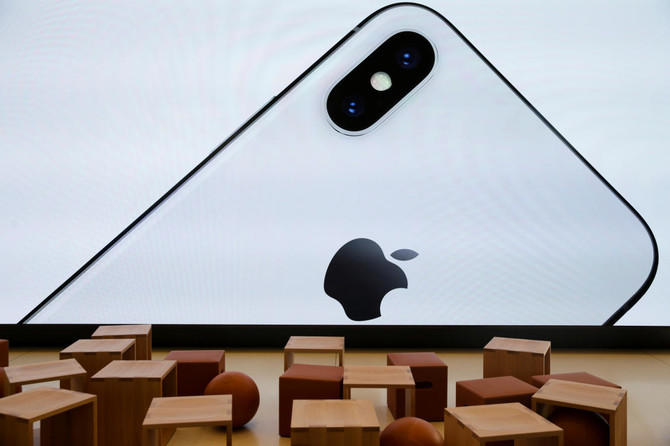
Apple, Amazon ‘in talks to set up in KSA’
Apple, Amazon ‘in talks to set up in KSA’


Latest updates


© 2026 SAUDI RESEARCH & PUBLISHING COMPANY, All Rights Reserved And subject to Terms of Use Agreement.