ISTANBUL: Turkish counterterrorism units discovered a new tactic being used by Daesh militants during a raid in the Central Anatolian province of Kirsehir on Dec. 26. On the same day, security forces also detained 12 people in the southern province of Adana over their suspected links to Daesh.
Police discovered a number of molds of the fingerprints of dead Daesh militants during raids on two different areas in Kirsehir, where dozens of Daesh militants had been arrested previously. The molds are believed to have been used for financial transactions.
Sertac Canalp Korkmaz, a researcher in security studies at Ankara-based think tank ORSAM, said the molds could be used in a number of ways, including hiding the identity of those planning or implementing terrorist acts.
“They might use them to forge identity cards and passports, or to communicate between themselves on digital media,” he told Arab News. “But the key point is whether this tactic is limited to this particular cell. If these fingerprint patterns are unique, this operation becomes even more significant,” he said.
A total of $60,000 was also seized during the raid, along with a number of marriage certificates bearing the flag of Daesh, and a letter written by Daesh leader Abu Bakr Al-Baghdadi. He reportedly warned of disillusionment within Daesh and issued new instructions to boost the morale of the militants.
According to Kadir Ertac Celik, an adviser on security policies at the Ankara Center for Crisis and Policy Studies (ANKASAM), the raid shows that Daesh militants were unexpectedly well-equipped and used sophisticated tactics beyond those traditionally employed by terror organizations.
“These findings once again raise concerns over whether Daesh militants were trained by intelligence services to conduct such forgeries,” Celik told Arab News.
“Such methods create the perception that Daesh has a qualified structure, exerting serious influence over people and boosting its own image,” he added, noting that the terror group has been trying to expand its operations.
“Forged identities and accounts mean Daesh can pose a threat to economic security, and can provide the terror group with additional capabilities through financial transfers,” Celik continued.
However, he added, the discovery of such evidence also offers new insights to security forces and increases their chances of success in the fight against terrorism.


![]()
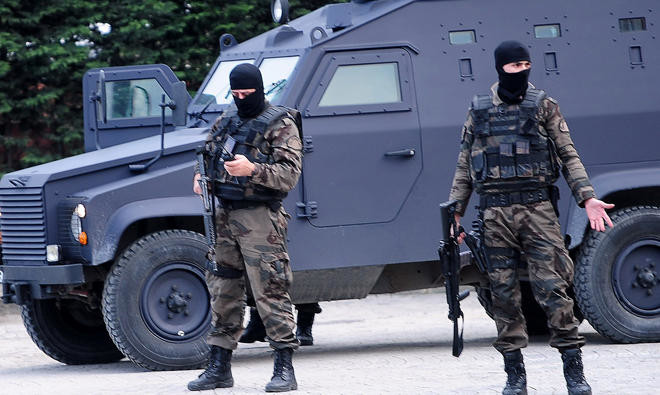
Turkish police seize fingerprint molds in Daesh raid
Turkish police seize fingerprint molds in Daesh raid
Latest updates


© 2026 SAUDI RESEARCH & PUBLISHING COMPANY, All Rights Reserved And subject to Terms of Use Agreement.