LONDON: Campaigners for EU citizens living in Britain and Britons in the EU reacted skeptically on Friday to the proposed deal in the first phase of Brexit negotiations between Britain and the European Union.
The agreement declared both sides had reached a “common understanding” that all EU citizens will have the right to continue living and working where they reside when Britain withdraws from the bloc in 2019.
The deal, spelled out in a joint report published by the European Commission, protects the rights of those who are yet to be granted permanent residency in Britain so they can still acquire it after withdrawal.
It also includes future family reunification rights for relatives, including spouses, parents, grandparents, children and grandchildren, which had been a major sticking point in the negotiations.
On the contentious issue of legal jurisdiction, it said British courts would enforce the rights of EU citizens but judges could refer cases to the European Court of Justice for eight years from withdrawal.
British Prime Minister Theresa May hailed the agreement as allowing expatriate citizens caught on different sides of the Brexit divide when Britain leaves “to go on living their lives as before.”
But representatives for the estimated 4.6 million European and British citizens impacted said the proposals still left them in uncertainty — with British expatriates especially unhappy.
“As always, the devil is in the details and in the things that haven’t been said,” according to Maike Bohn, of The 3 Million, the largest grassroots organization of EU citizens living in Britain.
“It’s still not clear what the status is that the UK is giving us,” she said.
Advocates for Britons living in EU countries responded scathingly to the agreement.
“This deal is even worse than we expected,” said Jane Golding, chair of the British in Europe coalition.
“After 18 months of wrangling the UK and EU have sold 4.5 million people down the river in a grubby bargain that will have a severe impact on ordinary people’s ability to live their lives as we do now.”
She called the deal “a double disaster” for Britons living in Europe because it was unclear whether it guaranteed retaining automatic residency rights and free movement beyond an agreed transition period.
The draft agreement was published ahead of a European Council meeting at the end of next week when European leaders are expected to sign off on it formally.
About 3.7 million people living in the UK are citizens of another EU country, according to the latest figures from Britain’s Office of National Statistics covering the 12 months up to June 2017.
Some 900,000 Britons live in other member state countries, according to an estimate based on official data from 2010/2011.
Academics who have been tracking the negotiations had a mixed reaction to the proposals.
“On citizens’ rights she’s got a really good deal — far far better than I thought she’d get,” said Anand Menon, professor of European politics at King’s College London.
That view was echoed by colleague Jonathan Portes, professor of economics, who said it went “a considerable way toward resolving the uncertainty” hanging over those effected.
But Stijn Smismans, professor of law at Cardiff University, said progress had been modest, identifying three problematic areas.
These include ambiguity over the “settled status” EU residents will get in Britain, issues over the registration system they will use, and their long-term legal protections.
Smismans said British citizens in Europe were also “extremely unhappy” because their future freedom of movement remained unclear.
“That’s still not decided,” he added.


Expats react skeptically to Brexit deal
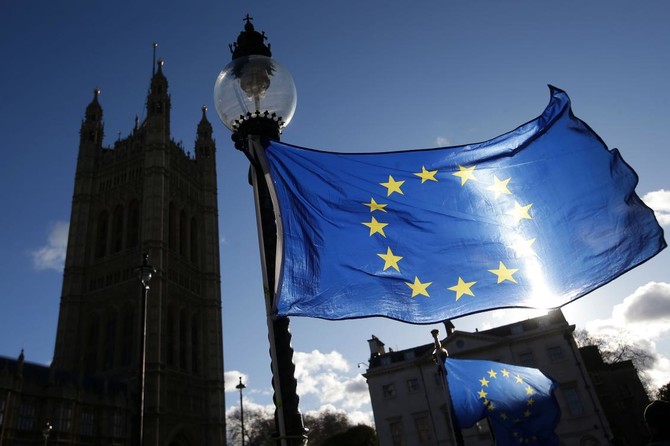
Expats react skeptically to Brexit deal

PIF-backed AviLease achieves revenue of $664m and 19% growth in 2025
RIYADH: Saudi Arabia’s Public Investment Fund-backed AviLease achieved exceptional performance and sustainable business growth during 2025, supported by the strategic expansion of its global platform.
According to its financial results for 2025, AviLease recorded total revenues of $664 million, an annual increase of 19 percent, driven by disciplined growth in its asset portfolio and strong performance in aircraft remarketing amid sustained global demand for modern, fuel-efficient aircraft, the Saudi Press Agency reported.
Profit before tax doubled compared to the previous year, reaching $122 million. The year witnessed an expansion in AviLease’s portfolio, reaching 202 owned and managed aircraft, leased to over 50 airline companies in more than 30 countries.
The total value of the company’s assets stabilized at $9.3 billion. AviLease maintained a 100 percent fleet utilization rate, reflecting the resilience of its business model, the efficiency of its asset management, and the strength of its strategic relationships with airlines around the world.
AviLease concluded purchase agreements for aircraft from Airbus, including the A320neo family and A350F, and Boeing 737 aircraft, aiming to enhance its future asset portfolio with modern, fuel-efficient aircraft. This step will contribute to supporting future growth and meeting increasing customer demand for the latest aircraft, aligning with the Kingdom’s ambitions to become a leading global aviation hub.
AviLease strengthened its prestigious credit standing by obtaining a strong Baa2 credit ratings from Moody’s and BBB from Fitch, reflecting its financial solidity, managerial discipline, and efficiency in managing leverage. The company also successfully issued senior unsecured bonds worth $850 million last November under Regulation 144A/RegS. This issuance contributed to diversifying its funding sources and enhancing its financial flexibility.
Commenting on the results, AviLease CEO Edward O’Byrne said: “This exceptional performance reflects the quality of the company’s investment portfolio, the strength of its partnerships with airlines, and its strategic focus on responsibly deploying capital into highly sought-after, efficient, modern aircraft assets.”
He added: “As aviation markets continue to grow, AviLease is strategically positioned to continue its expansion plans and deliver sustainable long-term value for shareholders, contributing to the Kingdom’s ambitions.”
Throughout 2025, AviLease continued to play a pivotal role in the Kingdom’s growing aviation sector and contributed directly to the launch and scaling of the new national carrier, Riyadh Air, by completing a sale and leaseback transaction for a Boeing 787-9 aircraft, which thereby became the first aircraft to join the airline’s fleet.
AviLease also established a strategic partnership with Hassana Investment Co. This partnership aims to provide an opportunity for local and international investors to enter the aircraft financing asset class and benefit from AviLease’s technical expertise and operational capabilities to support partnership growth and enhance performance.
Hassana Investment Co. has agreed to acquire an initial portfolio of 10 modern aircraft from AviLease.