CAIRO: Tensions between Egypt and upstream Nile basin countries Sudan and Ethiopia flared up again Thursday over the construction and the effects of a massive dam being built by Ethiopia on the Blue Nile, the waterway’s main tributary.
A mostly desert nation of some 100 million people, Egypt fears the dam would reduce its vital share of the Nile waters and accuses Addis Ababa of not sufficiently cooperating on containing the dam’s effects. Egypt and Sudan have historically been allies, but a dispute over ownership of a border strip has poisoned relations, with the Egyptian media now routinely accusing Khartoum of taking Ethiopia’s side in the dispute over the dam.
Differences over the Ethiopian dam, which is 62 percent complete, is potentially destabilizing and could add a new and dangerous layer to the turmoil already ravaging the region. Military action by the Egyptians to halt the construction of the dam is unlikely, though not impossible, but if the three nations do not closely cooperate to limit its effects, their relations would be fraught with tension and distrust for many years to come.
Seeking to portray Egypt as a bullying neighbor, Sudan’s foreign minister this week said Cairo was only unhappy about the dam because it would stop it from using some of Sudan’s own share of the river’s waters.
“It’s high time Egypt pays what it owes and for Sudan to get its full share,” said Ibrahim Ghandour, the minister.
Egypt responded late Wednesday, with Foreign Minister Sameh Shoukry dismissing as inaccurate his Sudanese counterpart’s comments. The timing of his comments, said Shoukry, was suspicious given the negative fallout from the failure by the three Nile-basin nations to endorse a technical report prepared by an independent company on the likely effects of the dam.
“You cannot talk about water relations between two countries in terms of credit and debt... and it seems suspicious to raise this issue at this point of time,” Shoukry told Egypt’s official MENA news agency.
On Thursday, Ethiopia’s Foreign Ministry responded to a recent comment by Egypt’s president that the river’s water is a matter of life and death to his country. The “Renaissance Dam” meant life or death to its country, too, said the ministry.
“We will continue to work with Sudan and Egypt for a fair and equitable use of the Nile water. This water source is the key to alleviating hunger and reach a level of development that other countries have reached,” the Ethiopian ministry said, seeking to reassure the Egyptians.
Egypt publicly recognizes Ethiopia’s developmental needs and the value of the dam to the east African nation, but it maintains that “water is a matter of life or death” for it. To Egypt, the most alarming effect of the dam is the length of time it would take the Ethiopians to fill the large water reservoir behind it. Egypt wants this to be a gradual process that would not dramatically reduce the volume of water reaching it.
“No one can touch Egypt’s share of water,” Egyptian President Abdel-Fattah El-Sisi said last week in a thinly-veiled threat to Ethiopia.
A week earlier, he made a stern warning to the Ethiopians. “We are capable of protecting our national security and water to us is a question of national security. Full stop,” he said, but did not elaborate.


![]()
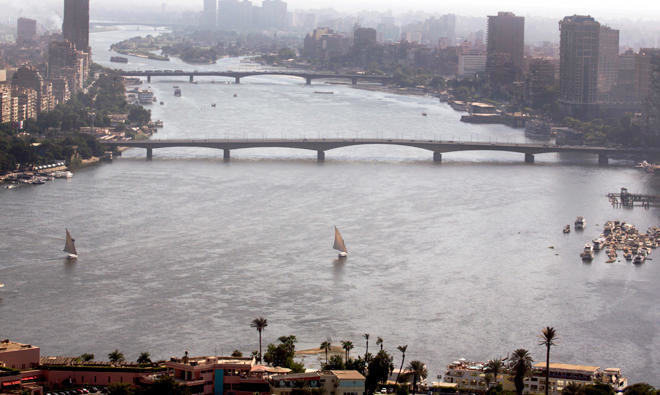
Egypt, Sudan and Ethiopia tensions over dam flare up again
Egypt, Sudan and Ethiopia tensions over dam flare up again
Latest updates


© 2026 SAUDI RESEARCH & PUBLISHING COMPANY, All Rights Reserved And subject to Terms of Use Agreement.