BAGHDAD: The four-decade alliance between Iraqi Kurds and Shiites was thrown into doubt on Monday as Baghdad moved to further consolidate its grip on northern Iraq.
The Federal Supreme Court ruled that the controversial referendum in September, in which more than 90 percent of Kurds voted for independence, was unconstitutional, and canceled the results.
Kurdish leaders said they respected the decision, but senior Shiite figures noted that the Kurds had not agreed to be bound by it — and they told Arab News that relations between the two groups could not return to where they were before the referendum.
The Shiites considered the referendum a “stab in the back” by the Kurds, and a betrayal of all the charters and agreements between the two parties since the 1970s.
“We have been suffering from verbal manipulation by the Kurdistan Regional Government. Today they said the court’s decision was unilateral and they respected it but they did not say they were bound by it,” Abdullah Al-Zaidi, who is responsible for Shiite-Kurdish relations in the ruling Shiite National Alliance, told Arab News.
“The KRG must take a forward step and say it is bound by the court’s decisions, rather than saying it respects the court’s decisions.”
Leading Shiites, federal officials and members of Parliament told Arab News that talks between the Kurds and the federal government would be based only on the Iraqi constitution.
In addition, the situation on the ground in disputed areas and the steps taken by the federal government to impose its control of regional airports and border crossings would not change, and Baghdad would exert more pressure to impose fully constitutional federal authority in and around the region.
“Baghdad is continuing to implement the constitution and the imposition of federal authority within the region and in the disputed areas, with no return to the situation prior to Sept. 25,” Al-Zaidi said.
“Kurdish leaders wrote the constitution with us and they know what it contains.”
Habib Al-Turfi, a senior Shiite MP, told Arab News: “Whether they accept it or not, it the referendum is over and a new page is supposed to be opened.”
“They have no choice, but to accept the decision of the court and work based on it. The region has been given much more than its right, but now things have to go back to normal.”
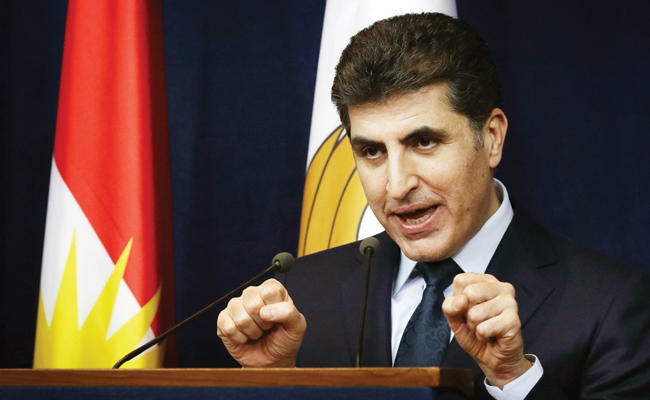
The Kurdistan regional prime minister, Nechirvan Barzani, said: “The government of the region confirms its commitment to all articles of the Iraqi constitution and demands the application of all of it. The lack of application of the constitution is what led the Kurdistan Region to hold the referendum.”


![]()
Alliance between Iraqi Kurds and Shiites in tatters
Alliance between Iraqi Kurds and Shiites in tatters


Latest updates


Recommended


© 2026 SAUDI RESEARCH & PUBLISHING COMPANY, All Rights Reserved And subject to Terms of Use Agreement.