DUBAI: White truffles from Alba are one of the rarest, most prized — and most expensive — things in the world of gastronomy. The annual charity auction in Alba, where they come from, is an 18-year-old tradition that was brought to the Middle East for the first time earlier this week.
An initiative of the Italian Restaurant Consulting Group, the Middle East edition of the World Alba White Truffle Auction aimed to put the region on the global culinary map, while contributing to a cause.
Historically, the auction has been held at Grinzane Castle in Alba, Italy — the home of the hyper-seasonal mushroom — and has only traveled to Hong Kong and Philadelphia in previous years. This year, the event was held simultaneously in three locations, Alba, Hong Kong and Dubai, with all three locations connected through satellite.
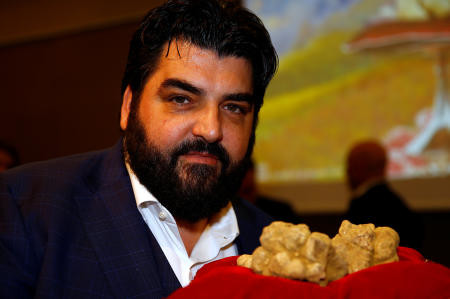
“We succeeded in bringing this auction here because we believe we have the right kind of people here, who are willing to spend for a cause, and also, there’s a good understanding of what truffles are, and their value,” said Aira Piva, general manager of Italian Restaurant Consulting.
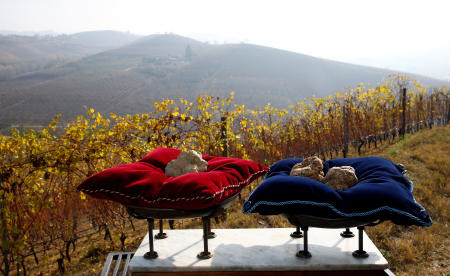
Three truffles were auctioned off in Dubai n Nov 12 to an exclusive invitee-only audience of VIPs from across the GCC. The winning bidders not only get to own their own mushroom, but they also get a bespoke dinner in Dubai’s top restaurants, including Gary Rhodes’ Rhodes W1. The truffles, which started from a weight of 200 grams, were sold for AED 19,000 ($5172), AED 21,000, and AED 25,000 each.
All the proceeds from the Dubai auction go toward the Al Jalila Foundation, a non-profit established by Sheikh Mohammed bin Rashid Al-Maktoum, the ruler of Dubai, which plans to use the resources toward research of childhood diabetes and their “Road to awareness” campaign.
The showstopper of the evening was a rare signature truffle, weighing 450g, which was auctioned across all three locations in a simulcast, with the winning bid being taken out by Hong Kong for the second year in a row. While it was hoped that Dubai would break the world record this year, it was pipped to the post by Hong Kong, which held on to its distinction of being home to the highest bidder who bought the truffle for €75,000 ($88,443)
As Piva summed up, “truffles are very ephemeral, they are just about pleasure when you eat. Using it for charity adds a new level, gives it substantial meaning — to take something that is usually used for pure enjoyment, to help save a life.”
What is a truffle?
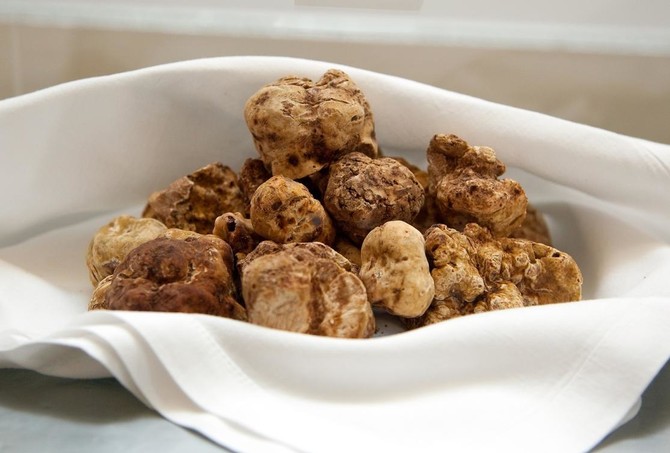
Truffles are particular kind of subterranean mushroom, usually found close to tree roots. The Ascomycete fungus is a species of tuber, and there are two kinds used in gastronomy – black and white. White truffles (or Tuber magnatum) are the rarer variety which cannot be farmed or manufactured, and are only found during a very short season between October and November, mainly in the Piedmont region of Italy.
According to Massimo Vidono, the go-to person for chefs and restaurants across the region when sourcing truffles, “truffles are a true gift of Mother Nature. You have to look for them, using specially trained dogs or pigs — some seasons you find lots, some seasons you don’t. That’s what makes them so special.”
Their unique flavor and aroma can only be described as umami and is available in high-end Italian and contemporary fusion restaurants as a seasonal menu item – with high price tags to match.


![]()
![]()
![]()
![]()
Billed as the first in the Mideast, truffle auction raises over $17,000 for charity

Billed as the first in the Mideast, truffle auction raises over $17,000 for charity

Latest updates


Recommended


© 2026 SAUDI RESEARCH & PUBLISHING COMPANY, All Rights Reserved And subject to Terms of Use Agreement.