DAMMAM: Traveling to exotic locations around the world without having to worry about running out of vacation days or how you will pay the bills is a dream that many of us may want to live out.
However, this nomadic lifestyle is a reality for some brave individuals, including some who previously lived in Dubai, who are choosing to live as digital nomads.
A digital nomad is a person who works remotely, via technology, and is not tied to a physical location. This could mean retaining the same job, but without the restrictions of an office or it could even mean changing career altogether.
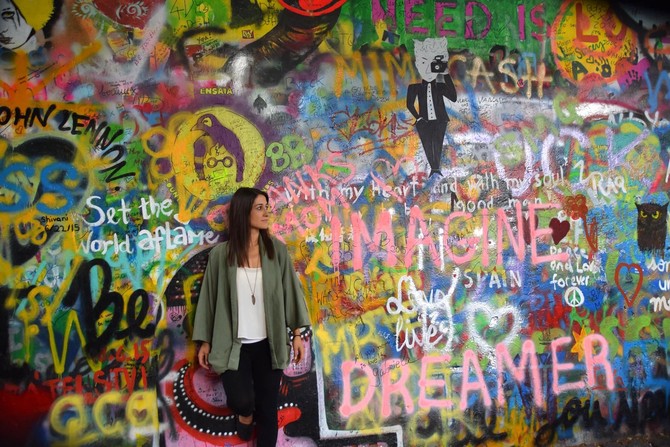
Kate Smith, a former project manager at an advertising agency in Canada, left her dreary nine-to-five cubicle job to pursue the nomadic lifestyle and has not looked back since.
Long working hours and the daily grind had started to take a physical and mental toll on Smith. Ultimately, she desired flexibility and the ability to travel more. Ever since she quit her job and booked a one-way ticket to Prague in 2015, Smith has traveled to more than 23 countries and has lived in 12 countries over a span of two years. This month, she has chosen Bali as her home and office.
Smith employed the services of a US-based company called “Remote Year,” which offers a year-long travel experience. According to the company’s website, 75 like-minded professionals with remote jobs work around the world for a year, spending each month in a new country. They pay for each month and services include travel between countries, a private bedroom, access to a co-working space, Wi-Fi and professional, cultural or social experiences in the country.
During her time with Remote Year, Kate identified a gap in the program — only people who had a remote job were eligible to apply. She then started “WiFly Nomads,” which enables a digital lifestyle by providing the necessary facilities and services, including a SIM card, accommodation, co-working space, high-speed Internet, workshops on how to remain productive while traveling, excursions in the new country and even assistance with finding a remote job or starting your own remote business.
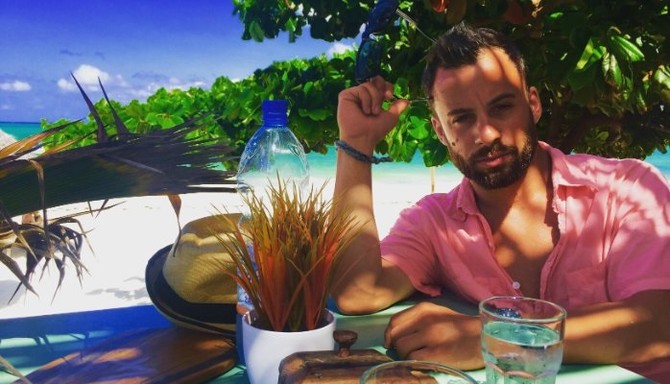
Several Dubai-based professionals have also left their fast-paced, stressful corporate jobs to pursue the digital nomad lifestyle. After working for three years in the marketing department of an international FMCG company, Joan Torres decided he had had enough of the 14-hour work days. Even five weeks of annual vacation could not make up for stress at the workplace and he regretted not dedicating enough time to travel. Andrew Miller, who worked in the Dubai tech industry for five years was tired of paying rent in expensive cities. Later, his company was acquired, which left him with no job.
These days, Miller works as a remote marketing consultant, assisting early-stage start-ups with launch, strategy, content creation, social media and blogging. He is currently in the Czech Republic and will then fly off to Puerto Vallarta, Mexico.
“Travel helps me learn about cultures and new languages. In the past few years of traveling, I have learnt Spanish and gotten pretty good at Arabic, Hindi/Urdu, French, Italian, Russian, and Yoruba,” Miller told Arab News.
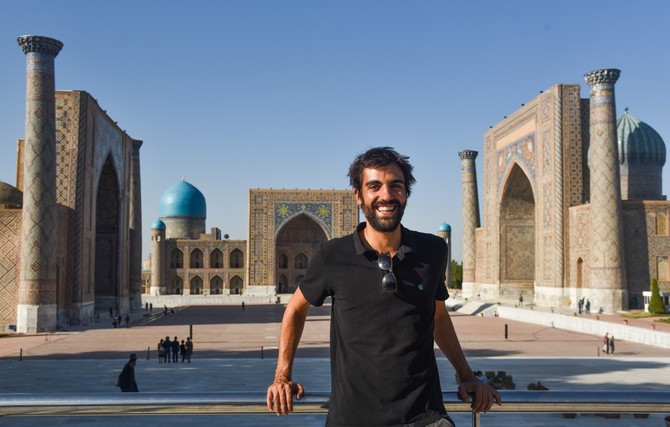
Torres took a different path and combined his passions — photography and writing — to start a travel blog called “Against the Compass,” writing about off-the-beaten-path destinations. He currently lives and writes in Uzbekistan and is enjoying his newfound freedom.
As many professions take to the Internet and four-walled offices become a thing of the past, many people are trading in the stability and structure of a full-time corporate job for the digital nomad lifestyle. Such a lifestyle provides flexibility, greater ownership of work, personal development, a wealth of travel experiences, social and cultural awareness and, most importantly, a sense of belonging to a global community.
As Greg Caplan, founder and CEO of Remote Year, says: “At the core of the remote revolution is the potential to be a better global citizen and move through the world with purpose, cultural sensitivity and awareness.”
Torres says the digital nomad lifestyle has helped him go “beyond all the general misconceptions (of a country) and understand the world better.”
For Kate, the experience has expanded her horizons and perspective.
“I’ve met a diverse group of lawyers, entrepreneurs and bloggers and they can all teach you something. It gives you a better understanding of the world as a whole. You learn to appreciate what you have back home, but also appreciate where you are at the same time.”
So, will you ditch the nine-to-five grind and go digital?


![]()
![]()
![]()
![]()

The life of a digital nomad: Is it for you?
The life of a digital nomad: Is it for you?

Latest updates


© 2026 SAUDI RESEARCH & PUBLISHING COMPANY, All Rights Reserved And subject to Terms of Use Agreement.