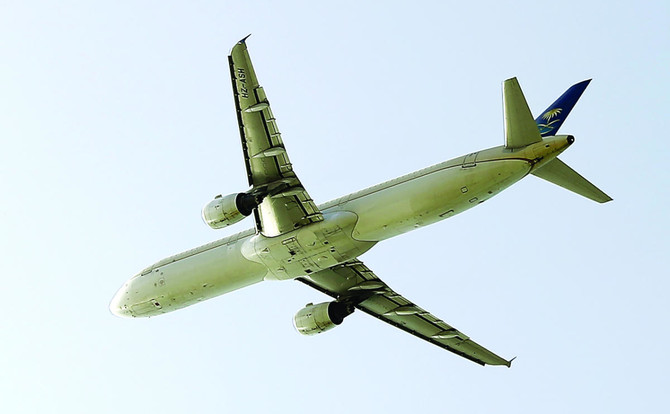
BEIRUT: There has been an exodus of Gulf nationals from Lebanon. A Kuwaiti airliner arrived at Rafik Hariri International Airport in Beirut late Friday night in order to bring Kuwaiti citizens who are in Lebanon home to Kuwait.
The permanent representative of the National News Agency (NNA) in Lebanon told Arab News that Beirut airport had witnessed on Thursday night the departure of Saudi citizens on regularly scheduled Beirut-Riyadh flights.
She also noted that the airlines at the airport had reported many booking cancelations from passengers who had booked their flights to come to Lebanon during the coming holiday season.
The exodus comes in response to the call from the foreign ministries of Saudi Arabia, Kuwait and the UAE to their respective citizens who are in Lebanon to return to their countries and to avoid travel to Lebanon.
Lebanon is still experiencing the fallout from the resignation of Lebanese Prime Minister Saad Al-Hariri, announced from Riyadh about a week ago.
Al-Hariri blamed Iran and Hezbollah for his resignation and noted, “We live in an atmosphere similar to the atmosphere that prevailed before the assassination of (his father) Prime Minister Rafik Hariri.”
Lebanese President Michel Aoun continued his consultations on Friday with Arab and foreign ambassadors in the Presidential Palace. Aoun expressed concern over “the circumstances surrounding the situation of Hariri after announcing his resignation from abroad” and he pointed to the necessity of its unraveling, according to a statement from the Presidential Palace.
The statement added that President Aoun had held meetings with Arab ambassadors in Lebanon, in the presence of Lebanese Foreign Minister Gebran Bassil. The spokesman at the Palace stated that Aoun told the Saudi Charge d’Affaires Walid Al-Bukhari that the circumstances of Al-Hariri’s resignation were “unacceptable,” and he demanded the return of the Lebanese prime minister to Beirut.
Arab diplomatic sources told Arab News that the Saudi charge d’affaires “assured Aoun the commitment of Saudi Arabia to the safety and security of Lebanon, and when Aoun raised, in the presence of Bassil, the ambiguity surrounding the situation of Al-Hariri, Al-Bukhari replied that it was possible to communicate with Al-Hariri directly or to send the foreign minister to the Kingdom to meet him.”
The sources told Arab News: “Prime Minister Hariri announced his position, and according to their information, we need to look into the problem and tackle it, and then Al-Hariri would return to Lebanon. But if he returned now, who would guarantee his safety? Taking into consideration the fact that the Kingdom did not dictate an option forcing him to stay in the Kingdom or leave it, he is free in his movements.”
The sources added that “questioning the situation of Al-Hariri and focusing on protocol issues is not right. Are we in Tora Bora? What’s the logic?”
After visiting Aoun, the ambassadors of the International Support Group (ISG) for Lebanon stressed in a statement read by UN Special Coordinator for Lebanon Philippe Lazzarini the importance of “keeping Lebanon protected from tensions in the region,” and the importance of “restoring the vital balance of Lebanon’s state institutions, which are essential to the country’s stability.” They welcomed the “steps taken to contain the political crisis and protect the country, its stability, sovereignty, and territorial integrity.” The ambassadors reiterated their “commitment to support the country, its leadership, and its people during this difficult time.”
On the international front, US Secretary of State Rex Tillerson, in a statement on Friday, warned other countries against using Lebanon for “proxy conflicts.” Tillerson also called Al-Hariri a “strong partner” of the US.
“The US cautions against any party, within or outside Lebanon, using Lebanon as a venue for proxy conflicts or in any manner contributing to instability in that country,” Tillerson said.
France’s Foreign Ministry on Friday noted comments made earlier by the French minister, suggesting that Al-Hariri may not be free and urging that he continue to play his rightful role in the country, according to Reuters.
Foreign Minister Jean-Yves Le Drian told Europe 1 Radio that as far as France was aware, Al-Hariri “was free in his movements” and that it was “important he made his own choices.”
From the UN, AP reported that the Secretary-General Antonio Guterres said it was essential that peace be preserved in Lebanon, warning that a new conflict could have “devastating consequences” in the region.
In Germany, Foreign Minister Sigmar Gabriel expressed his concerns to his Saudi counterpart, Adel Al-Jubeir, about the possibility of the destabilization of Lebanon.
A spokeswoman for the German Foreign Ministry said in a press conference on Friday that Gabriel told Al-Jubeir in a phone call that he believed the “progressive steps achieved under the leadership of Al-Hariri should not be endangered.”
However, the spokeswoman added, “Berlin has no evidence that Al-Hariri has been detained against his will.”
She added: “Germany shares the Saudi concerns about Iranian meddling in Yemen and the support of Tehran for Syrian President Bashar Assad and Hezbollah.”


![]()
Gulf nationals exit Lebanon
Gulf nationals exit Lebanon

Latest updates




© 2026 SAUDI RESEARCH & PUBLISHING COMPANY, All Rights Reserved And subject to Terms of Use Agreement.