CAIRO: Bahrain will impose entry visas on Qatari nationals and residents, it said on Tuesday, in what it called a security measure.
The Anti-Terror Quartet — comprising Bahrain, Saudi Arabia, Egypt and the UAE — cut diplomatic, transport and trade ties with Qatar in June, accusing it of financing terrorism.
“The new measures aim at preventing harming the security and stability of Bahrain particularly in light of the latest repercussions of the crisis with Qatar,” said a statement on official news agency BNA.
Citizens from the Gulf Cooperation Council (GCC) countries are supposed to be able to travel within the GCC carrying only an identity card. Bahrain’s visa requirements will apply from Nov. 10.
Bahrain believes Qatar is fomenting unrest in the country by supporting protests and even sporadic shooting and bombing attacks against security forces.
Bahrain’s foreign minister said on Sunday his country would not attend December’s GCC summit if Qatar does not change its policies, and that Qatar should have its GCC membership suspended.
Also on Tuesday, Bahrain’s lower court jailed 10 Shiite men for life on charges of plotting attacks. Three were sentenced in absentia after fleeing to Iran, Ahmad Al-Hamadi, head of the counter-terrorism prosecution, said in a statement on Twitter.
The 10 were also stripped of their Bahraini citizenship, Al-Hamadi said.
They had been charged with forming an outlawed group that plotted “terror” attacks, smuggling arms and ammunition into Bahrain, traveling to Iran and Iraq for military training and possessing arms and ammunition.
On Monday, 19 Shiites were given lengthy jail terms after being convicted of spying for Iran and plotting to overthrow the regime.
Eight were given life terms, nine got 15 years and two received 10 years for espionage and inciting public dissent, a statement from the counter-terrorism prosecutor’s office said.
Fifteen of those convicted on Monday were also stripped of Bahraini citizenship, the statement said.
In April, Parliament gave approval for military courts to try civilians charged with “terrorism,” a vaguely defined legal term in Bahrain.
Manama accuses Iran of training “terrorist cells” that aim to overthrow Bahrain’s government.


![]()
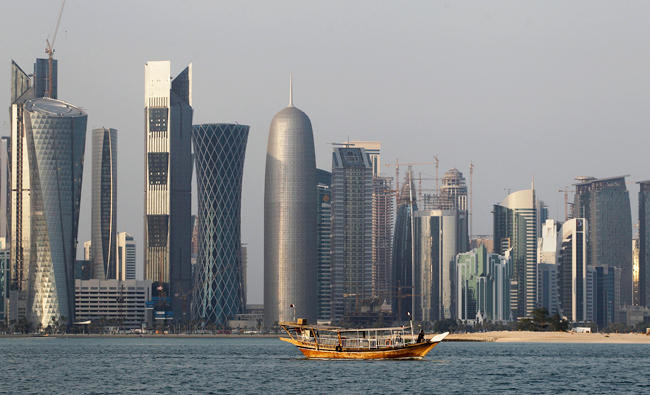
Bahrain imposes entry visas on Qatari nationals, residents
Bahrain imposes entry visas on Qatari nationals, residents
Latest updates


© 2026 SAUDI RESEARCH & PUBLISHING COMPANY, All Rights Reserved And subject to Terms of Use Agreement.