DUBAI: Middle East and North Africa (MENA) countries can hugely gain from the aviation industry but sectoral challenges should be addressed for the region to reap the benefits, an International Air Transport Association (IATA) official said.
“Aviation has the power to generate significant prosperity. A safe, secure, efficient and sustainable air transport industry pays huge social and economic dividends,” according to Muhammad Ali Albakri, IATA’s Regional Vice President for the Middle East & Africa.
Albakri said that while aviation currently supports 2.4 million jobs and contributes $157.2 billion (SR589.5 billion) in the region’s economic output, the “operating environment for airlines in MENA remains challenging.”
With passenger demand expected to grow 5.7 percent annually over the next 20 years, MENA region is to become a market of 380 million passengers by 2035.
As such, Albakri urged the region’s governments to address key challenges regarding aviation infrastructure, rising taxes and charges, security and regulations.
“Studies show that the average ATM delay in the Gulf is 29 minutes with the potential to double by 2025. And the diplomatic row in the GCC has further exacerbated the problem,” Albakri said. “Without an increase in the overall efficiency of the ATM systems in the region through improved airspace design, MENA’s world-class hubs will be compromised with gridlock … Regional governments cannot allow their geographical fragmentation and political complexity to get in the way of finding a long-term solution.”
Albakri also said the slew of new charges and taxes in the Middle East resulted into additional $1.6 billion costs in 2015 and 2016 that the aviation sector had to shoulder.
“Excessive taxes and charges affect the ability of aviation to meet demand and impede economic growth. Governments will earn more revenues in the long-term by promoting aviation through lower taxes … Every dollar that a passenger spends in the region creates jobs and spreads prosperity. And every dollar collected in taxes or charges is an incentive for travelers to go elsewhere. We must work together to reverse this trend,” Albakri said.
Albakri likewise highlighted the further need to keep air travel secure, considering the recent US ban on large personal electronic devises have inconvenienced passengers and airlines.
The IATA likewise urged MENA governments to adopt the group’s Smarter Regulation framework “to avoid unintended consequences when designing or implementing aviation policies.”
“Smarter Regulation is the solution to achieve positive policies that support the growth of aviation and ultimately boost social and economic development,” said Albakri.


![]()
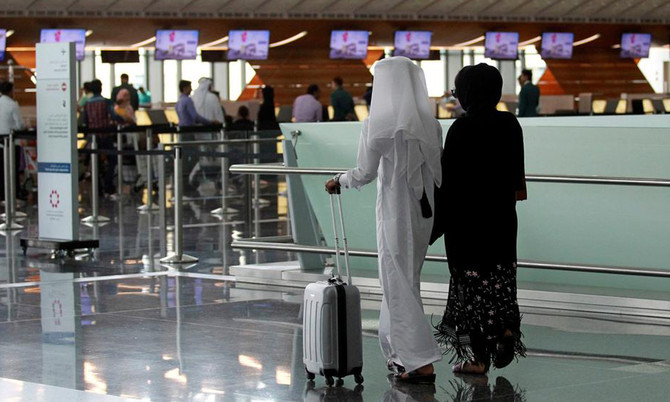
MENA region can gain from aviation sector, but connectivity and operating environment a challenge, IATA says
MENA region can gain from aviation sector, but connectivity and operating environment a challenge, IATA says

Latest updates


© 2026 SAUDI RESEARCH & PUBLISHING COMPANY, All Rights Reserved And subject to Terms of Use Agreement.