US keeps up diplomatic efforts to deal with N. Korea crisis

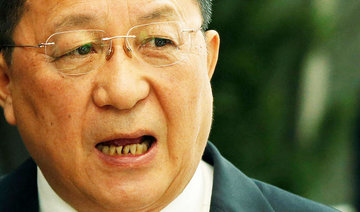
US Defense Secretary Jim Mattis speaks during a press conference with Indian Defence Minister Nirmala Sitharaman after meeting in New Delhi on September 26, 2017. The United States want to resolve the escalating nuclear crisis with North Korea diplomatically, Defense Secretary Jim Mattis said September 26. "We maintain the capability to deter North Korea's most dangerous threats but also to back up our diplomats in a manner that keeps this as long as possible in the diplomatic realm," he said in New Delhi after talks with India's defence minister. (AFP)
Updated 26 September 2017
Follow

US keeps up diplomatic efforts to deal with N. Korea crisis

NEW DELHI: Diplomatic efforts to tackle the crisis caused by North Korea’s nuclear and missile buildup are continuing, U. S. Defense Secretary Jim Mattis said on Tuesday.
Mattis, who is on a two-day official visit to the Indian capital to strengthen military ties said pressure on North Korea had increased following a United Nations resolution.
“We continue to maintain the diplomatically led efforts in the United Nations,” he told reporters.
“You have seen unanimous UN security council resolutions passed that have increased the pressure...on the North and at the same time we maintain the capability to deter North Korea’s most dangerous threats,” he added.


Afghan Taliban says Pakistan bombs Kabul in fresh escalation

Updated 13 March 2026
Follow

Afghan Taliban says Pakistan bombs Kabul in fresh escalation

KABUL: The Afghan government said on Friday that Pakistan had carried out fresh strikes on Kabul and several other provinces.

Taliban government spokesman Zabihullah Mujahid said in a post on X that Kabul, Kandahar, Paktia, Paktika, and some other areas, were targeted.

Pakistan has killed at least 641 Afghan Taliban operatives and injured more than 855 in the ongoing conflict between the two sides since last month, Information Minister Attaullah Tarar said on Wednesday.

Islamabad has said its airstrikes, which have at times directly targeted the Afghan Taliban government, are aimed at ending Kabul’s support for militants carrying out attacks on Pakistan. The Taliban has denied aiding militant groups.

Fresh clashes between the two neighbors began on Feb. 26 after Afghanistan’s border forces launched attacks against Pakistani military installations. Kabul said the attack was in retaliation for Islamabad’s airstrikes earlier in February. Both forces have since then engaged in the worst fighting between them in decades.

Relations between Pakistan and Afghanistan have remained strained since the Afghan Taliban seized power in August 2021. Pakistan has witnessed a surge in militant attacks across the country in recent months that it blames on militants it alleges are based in Afghanistan. Kabul denies the allegations and insists that its soil is not used by militant groups for attacks against other countries.

While Afghanistan has voiced the desire for dialogue, Pakistan has repeatedly ruled out talks, saying it will continue targeting militant hideouts through “Operation Ghazab lil Haq” until Kabul desists from supporting militants.