CAIRO: Parents across Egypt are up in arms over increased tuition fees and a rise in the cost of school supplies, as children prepare to return to the classroom after their summer break.
Parents interviewed by Arab News argued that the increased cost of school items, uniforms, transport and fees had got to the point where they were now feeling “exploited,” claiming the cost of everything had doubled.
“I transferred my son from his school after they had increased their tuition and transportation fees this year,” parent Dina El-Sheribini said.
Nada Ahmad complained about her child’s transportation fees.
“In addition to the annual tuition fee increase, my son’s bus payment witnessed a 50 percent increase this year,” she said.
Regarding the prices of school items, El-Sherbini said: “The cost of school bags has doubled compared to last year.”
Ahmad added: “I’ve seen bags that at least would cost from 200 ($11) to 1,000 Egyptian pounds.”
Hanan, who has two sons, said that the cheapest school bags cost 200 Egyptian pounds “despite their poor quality.”
“When it comes to stationery, the cost is much higher compared to last year,” she added.
Ahmad said: “It’s this time of the year when parents feel most exploited. They have to cope with an increase in everything, not only school supplies and school installments, but also the prices of goods increase during this time.”
Egyptian TV show host Amr Adib explained how bad it must be for parents with low incomes by showcasing school items at their lowest prices on his show. The host concluded that a family with a low income would have to pay around 800 Egyptian pounds per child to buy everything they need for school.
It was reported on social media recently that angry parents stormed the campus of a high-end German private school in New Cairo due to an increase in fees.
To add to the feeling of discontent, an Egyptian actress posted a video on social media in which she was ranting to President Abdel Fattah El-Sisi over the hike in prices of private schools.
In May, the Education Ministry announced that international school fees will increase 14 percent for the 2017-2018 school year and then another 7 percent per year.


![]()
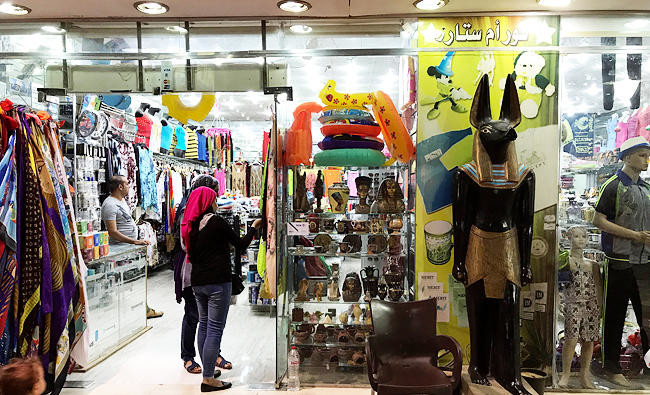
Increased cost of education upsets Egyptian parents
Increased cost of education upsets Egyptian parents


Latest updates


© 2026 SAUDI RESEARCH & PUBLISHING COMPANY, All Rights Reserved And subject to Terms of Use Agreement.