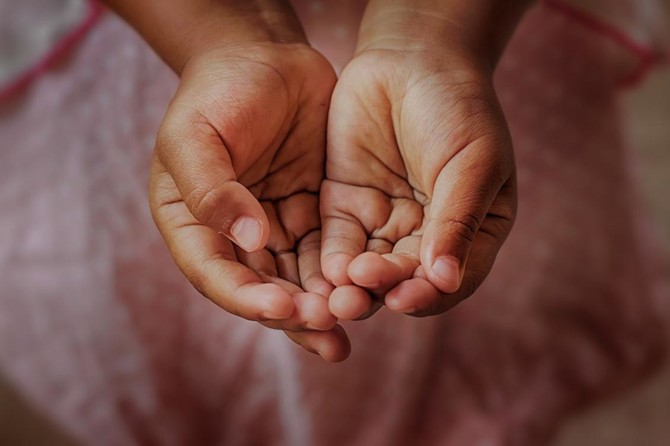
JEDDAH: As people across Saudi Arabia and the world prepare for Eid Al-Adha, it is the perfect time to teach your children about the spirit of giving. Charity and the distribution of food to the needy are key components of this Islamic holiday and so, this year, follow these top tips to get your loved ones involved in helping the less fortunate.
Children’s personalities and characteristics can be shaped early on and encouraging them to show empathy and generosity from a young age is important, according to Dr. Reham F. Gassas, a family therapist at King Abdulaziz Medical City in Riyadh.
“Giving to others and being part of the community is an important role for a child to learn in order to be an effective part of her or his community,” Gassas said, before adding that it teaches children to “empathize with each other, be caring and be understanding of the feelings and needs of others.
“Our religion and culture teach us to love for others what you love for yourself. The child will observe their caregiver… giving their attention, time, money, food and clothes to others,” which will help the child understand the importance of charity, she added.
Simple acts of kindness
Children learn by example so it is important to teach them that charity is not just about giving away money and material items, it is also about being kind and compassionate.
Paying it forward with small acts of kindness can help to teach children about the value of giving their time and energy to another person. For young children, teaching them to be kind to elderly members of the family and the wider community — with a smile or helping them find a seat — can go a long way in instilling a sense of compassion in them.
Encouraging your child to complete one random act of kindness a day — such as leaving a greeting note on a friend’s desk at school, picking a flower for a family member or buying sweet treats for their playground friends — will help to make them understand that small things count.
Caring for creatures
Allowing your children to take care of a pet or a stray animal is a great way to teach them about responsibility and compassion.
Instead of buying your pet from a store, head down to your local adoption agency and allow your child to choose a rescue animal. It is important that kids learn about the ramifications of owning a pet and seeing first-hand the plight of some animals in such shelters is a good way to teach children about making a lifelong commitment to their pets.
If adoption is not an option, leaving food on the corner of the street twice a day teaches young children to share and be kind to animals. Keeping a bowl of fresh water for birds or filling a bird feeder with seeds in a nearby tree is a form of charity as well.
Why not create a handy chart of feeding times on the fridge? Asking young children to stick to a regular schedule and share the responsibility of feeding an animal with their siblings will teach them to care for another living being in an adult manner.
Spending time with the needy
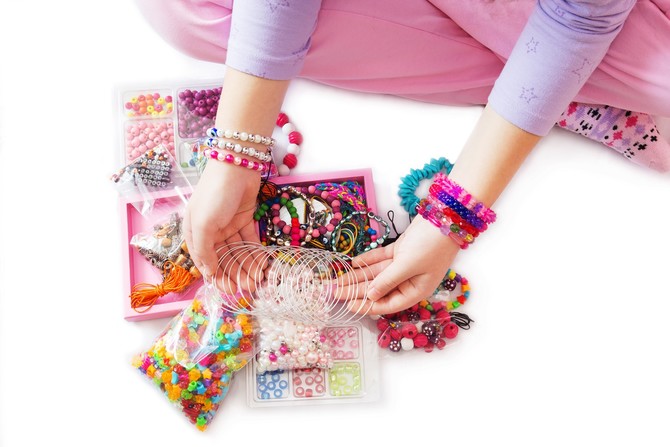
Parents can encourage their older children to be giving by asking them to help distribute food and drink at their local mosque or charitable establishment, for example. Asking young children to create and give away trinkets and jewelry out of material found at any craft store is also a good way to help children understand that time and effort is as important as money when it comes to giving charity.
Visiting local orphanages and homes for the elderly or disabled is also an eye-opening experience for young children. Kids can provide gifts from their own toy collections and spend some time playing with less fortunate children or simply make an elderly person’s day by chatting with them for an hour or so.
If you wish to take part in local charity events or volunteer your time, it is important to make sure the charitable organization is licensed and the event has proper government approval.
Volunteering is an important way in which your child can learn about working hard in order to give back to the local community. Many charities across Saudi Arabia hold fundraising functions, simply give them a call and find out if they need volunteers for the day.
Nada M.N., a freshman at King Abdulaziz University, enjoys volunteering at various events and has been encouraged to do so by her parents who hope that such efforts will go a long way in building up the local community.
“I love spending time at these events because I get to meet so many people, we are all goal-oriented individuals and being a part of any event makes me feel like I am a part of an entity, one that serves to provide joy, and sometimes charity, to those in need,” she told Arab News.
“I remember my older sisters participating in the distribution of goods in Ramadan and I’ve always wanted to do what they did. They would come back home tired but the stories they would tell us of how much joy they brought to the faces of those in need were priceless.”
Gassas agrees that encouraging a child to take on some form of volunteering or charity work will ensure “more social justice” in society.
It will result in “a child who grows up to become a responsible member of this community. A member who puts the interests of others in their mind (before they make a) decision and someone who advocates for others and ensures that the community gives attention to those who are less fortunate.”


![]()
![]()
![]()
![]()
This Hajj season, teach your kids about charity


This Hajj season, teach your kids about charity


Latest updates



© 2026 SAUDI RESEARCH & PUBLISHING COMPANY, All Rights Reserved And subject to Terms of Use Agreement.