ABUJA: A radical Muslim group has bowed to political pressure and backed off from a ultimatum to the mainly Christian Igbo minority that they quit northern Nigeria or face reprisals.
The Arewa Youths had given all Igbos living in the north until October 1 to leave.
The threat, issued in June, worsened the simmering ethnic and religious tensions across Nigeria, Africa’s most-populous nation, and provoked widespread condemnation.
Late on Thursday, the Arewa Youths issued a statement stepping back from their ultimatum.
“Mindful of the concerns generated by the clause... that advised the Biafran Igbo to relocate... we immediately opened channels for dialogue and interaction,” the group said.
“Admittedly, we came under intense pressure from genuinely concerned national, political, traditional, religious and cultural leaders.
“As a consequence of these vigorous engagements... we are today pleased to announce the immediate suspension of the relocation clause.”
Since the so-called “quit notice” was issued on June 8, the federal government in Abuja had repeatedly called for calm.
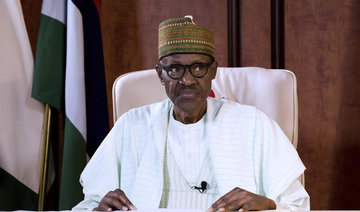
Then on Monday, President Muhammadu Buhari addressed the issue in a televised speech following a long absence from the country for health reasons.
“Nigeria’s unity is settled and not negotiable. We shall not allow irresponsible elements to start trouble and when things get bad they run away,” he said.
The Arewa Youths’ ultimatum was itself in response to a bid by the Indigenous People of Biafra (IPOB) — a mainly Igbo group in the south — to secede from Nigeria.
“We will not accept a system that is designed to alienate and subdue the people of the north,” the northern Muslim group said in response, calling for a referendum of Igbo people to settle the Biafra issue.
Rising communalism and anti-Igbo sentiment has been blamed on the IPOB’s bid to declare independence.
Their initiative has been stoked by memories of 1967 when their predecessors declared an independent republic of Biafra in the southeast.
That declaration led to a brutal 30-month civil war and more than one million deaths, most of them Igbos, from starvation and disease.
Nigeria is roughly evenly split between the Muslim-majority north and the largely Christian south, but the country is made up of more than 250 ethnic groups.
The biggest is the Hausa-speaking Fulani in the north, the Yoruba in the southwest and the Igbo in the southeast. Many have relocated for economic reasons over the years.


![]()

Nigerian Muslim group retracts expulsion threat to Christians
Nigerian Muslim group retracts expulsion threat to Christians
Latest updates


© 2026 SAUDI RESEARCH & PUBLISHING COMPANY, All Rights Reserved And subject to Terms of Use Agreement.