JOHANNESBURG: A South African model who was allegedly attacked by Zimbabwe’s first lady has filed court papers challenging the government’s decision to grant Grace Mugabe diplomatic immunity, a lawyer said Thursday.
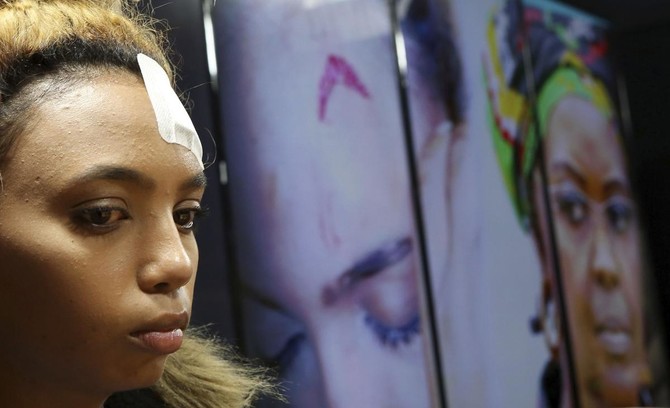
The wife of President Robert Mugabe allegedly attacked a 20-year-old model Gabriella Engels with an electrical extension cord at a hotel in Johannesburg where the couple’s two sons were staying.
The attack left Engels with cuts on her head and forehead. She has filed an assault charge against the 52-year-old Grace Mugabe.
South Africa’s Foreign Affairs Ministry said at the weekend that it had granted Mugabe immunity allowing her to leave the country.
Engels and AfriForum, a civil rights group which helps victims of crime, filed an injunction asking the court to annul the minister’s decision.
“The (foreign affairs) minister misinterpreted the law. She applied the wrong principles,” AfriForum lawyer Willie Spies told AFP.
They are seeking an order to set aside Minister Maite Nkoana-Mashabane’s decision “recognizing the immunities and privileges” of Grace Mugabe, according to court documents seen by AFP.
They are also asking the court to declare that the diplomatic immunity decision “does not confer immunity from prosecution.”
A hearing into the case will start on Sept. 19, said Spies.
Grace Mugabe was supposed to have reported to the police to make a statement about the allged incident, but did not.
Police Minister Fikile Mbalula then said “a red alert” had been sent out to border police, and “she is not somebody who has been running away.”
However, Mugabe flew out of South Africa on a pre-dawn flight on a presidential jet on Sunday. Hours later, the Foreign Ministry announced that it had granted her immunity.
On Wednesday, South African lawmakers heckled Deputy President Cyril Ramaphosa as he answered a question in Parliament on the Grace Mugabe debacle.
He said the decision to grant her immunity was taken in line with “internationally-recognized immunity regulations” and admitted it was “the first time we have utilized this type of convention.”


![]()
Model challenges Grace Mugabe’s immunity
Model challenges Grace Mugabe’s immunity

Latest updates


© 2026 SAUDI RESEARCH & PUBLISHING COMPANY, All Rights Reserved And subject to Terms of Use Agreement.