DUBAI: Some items sold at airports, and goods due to be exported or re-exported, will be exempt from the new excise tax set to be imposed in the UAE from October, a top official told Zawya.
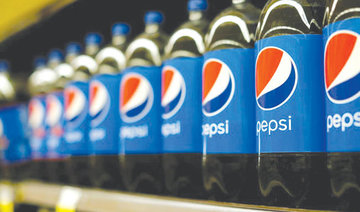
The excise tax will be imposed at the rate of 100 percent on tobacco and energy drinks and at 50 percent on fizzy drinks (excluding carbonated water), the director-general of the country’s Federal Tax Authority, Khalid Al-Bustani, announced in a press conference last week, which was followed by the release of the tax law earlier this week.
Yet confusion remained over whether goods set for export would be subjected to the excise duty, or those moving between free zones. In an e-mail interview with Zawya, Al-Bustani said the tax “will be imposed on all excise products that get consumed inside the state, even if they were in the free zone”.
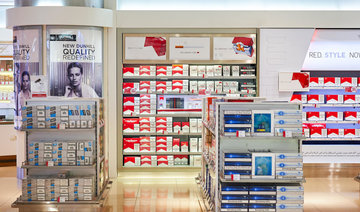
He said the tax will also be imposed on excise products that get sold at airports for immediate consumption, but those sold at duty free establishments for consumption abroad would not be taxed.
“The excise tax will not be imposed on the products that get exported or those sold at airports for travelers to take outside the country,” he said.
Al-Bustani also said the tax will not be imposed on excise products that will be re-exported.
Passengers coming to the UAE will also be exempted from paying tax on any tobacco, energy and fizzy drinks they bring into the country, provided that it is for personal use and that the total value of the items is lower than the value subject to customs duty, he added.


![]()

Some items to be exempt from new UAE excise tax
Some items to be exempt from new UAE excise tax
Latest updates


© 2026 SAUDI RESEARCH & PUBLISHING COMPANY, All Rights Reserved And subject to Terms of Use Agreement.