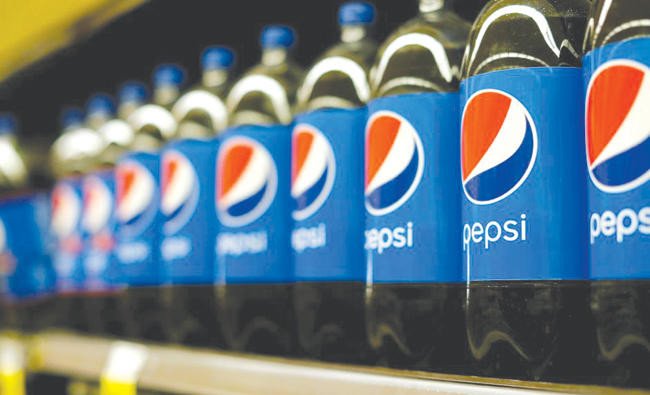
LONDON: The Dubai-based Pepsi bottler lost some of its fizz in the second quarter as sales retreated.
Dubai Refreshment, which bottles Pepsi and other sodas such as Mountain Dew and 7Up, reported a 12 percent fall in second-quarter profit to 24.7 million dirhams ($6.7 million) as sales also declined by about 1 percent to 229.3 million dirhams.
Soft-drink sales have boomed across the Gulf helped by the region’s youthful population, but the rollback of government subsidies and moves to encourage healthier diets, while reducing levels of obesity, have put soda-makers in the crosshairs of regulation.
Pepsi last month reported a second-quarter profit that topped analyst estimates as sales ticked up by about 2 percent.
But the company flagged up higher raw material costs driven by the strong US dollar and operating cost inflation in some Middle East, North African and Asian markets.
“Consumption of sugary soft drinks is high in the region, and will in all likelihood continue to grow for the foreseeable future,” said Euromonitor International analyst Matthew Berry in a January 2017 report. “However obesity in the Gulf is a ticking time bomb and governments are starting to move to avert the looming public health crisis.
“This could potentially make these countries some of the most promising markets for health-positioned drinks in the world, but it will also pose a threat to sugar-heavy categories that have found the Gulf states to be a rare bright spot at a time of anti-sugar feeling.”
The cost of fizzy drinks in the Gulf have been among the lowest in the world historically, but consumers will soon have to get used to paying more with the introduction of both sugar taxes and value-added tax (VAT).
The UAE Federal Tax Authority said in May that energy drinks would be hit with a 100 percent tax in the last quarter of the year while sugary fizzy drinks would also be targeted with a 50 percent tax. That move follows the decision by Saudi Arabia to impose a special tax on sugary drinks, as well as on cigarettes, starting last June.


![]()
Dubai Pepsi bottler loses fizz ahead of sugar ‘sin tax’
Dubai Pepsi bottler loses fizz ahead of sugar ‘sin tax’


Latest updates


© 2026 SAUDI RESEARCH & PUBLISHING COMPANY, All Rights Reserved And subject to Terms of Use Agreement.