DUBAI: Sheikh Mohammed bin Rashid Al-Maktoum, the Vice President and Ruler of Dubai, has unveiled the blueprint for Dubai Food Park, which aims to raise the emirate’s position as the region’s leading food re-export hub.
To be developed at a cost of Dh5.5 billion, the park will feature a central wholesale market, a logistics area, complementary services area, a facility for recycling organic waste and a government center that will handle customs clearance, licensing, food safety and inspection under one roof.
Dubai Food Park will be located inside Dubai Wholesale City and will occupy 48 million square feet and is easily accessible from Al-Maktoum International Airport and the Jebel Ali free zone, which form part of the emirate’s logistics corridor.
The park’s strategic location at the crossroads of East and West and easy accessibility to Dubai’s advanced logistics facilities distinguish it from other wholesale destinations worldwide, a statement from the Dubai government said.
Food trade contributes 11 percent to the UAE’s GDP and the food industry is estimated to grow by 70 percent to $6.3 billion by 2030.
The park will offer all categories of food wholesale services to meet the high demand of the food sector in the UAE and the wider region, the statement said.
“DFP has been established to meet the increased need for specialized logistical services to reduce supply chain costs. The park will be a one-stop destination for government, administrative and logistical services related to food wholesale, import, export and re-export,” Abdulla Belhoul, the CEO of Dubai Wholesale City said.


![]()
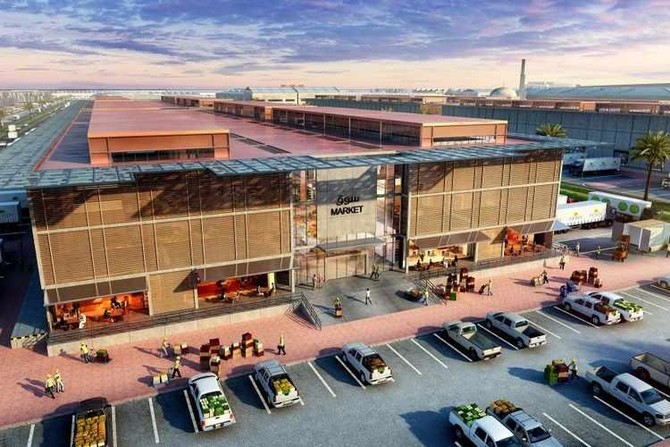
Sheikh Mohammed bin Rashid unveils blueprint for Dh5.5 billion Dubai Food Park
Sheikh Mohammed bin Rashid unveils blueprint for Dh5.5 billion Dubai Food Park


Latest updates


© 2026 SAUDI RESEARCH & PUBLISHING COMPANY, All Rights Reserved And subject to Terms of Use Agreement.