NEW YORK: Saudi Arabia said on Thursday it was installing four cranes at three ports in Yemen to help boost humanitarian aid deliveries and was ready to assist with installing cranes at the key port of Hodeidah once it was under control of a neutral party.
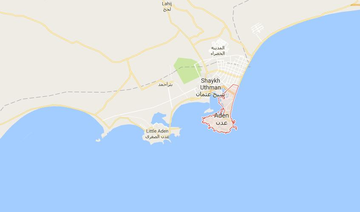
The Saudi mission at the UN said in a statement that the cranes were being installed at the ports of Aden, Mukalla and Al-Mokha — which are all under the control of a Saudi-led military coalition fighting in Yemen.
The coalition has said it is determined to help Yemen’s government retake all areas of the country held by Houthi militias, including Hodeidah port, and would ensure alternative entry routes for badly needed food and medicine.
The UN has worked to avert attacks on Hodeidah, a vital Red Sea aid delivery point for millions of Yemenis in danger of slipping into famine. Around 80 percent of Yemen’s food imports arrive via Hodeidah.
“Saudi Arabia is deeply concerned about the deteriorating humanitarian situation,” it said. “We have always supported every effort to ensure that the people of Yemen receive the aid and relief they require especially in times of crisis.”
The coalition began an air campaign in March 2015 to help defeat the Iran-allied Houthi rebels.
The coalition has accused the Houthis of using the port to smuggle weapons and ammunition and has called for UN monitors to be posted there.
The UN has proposed that Hodeidah be handed to a neutral party to smooth the flow of humanitarian relief and prevent the port being engulfed by Yemen’s two-year-old war.
“The coalition... reaffirms its readiness to facilitate the immediate installation of cranes at the port of Hodeidah, in line with the secretary-general’s special envoy Ismail Ould Cheikh Ahmed latest proposals,” the Saudi statement said.
The UN Security Council urged the warring parties in Yemen in June to reach a UN-brokered deal on management of Hodeidah and resumption of government salary payments as the country slides closer to famine.
Top UN officials last month accused the parties fighting in Yemen and their international allies of fueling an unprecedented deadly cholera outbreak, driving millions closer to famine and hindering humanitarian aid access.


![]()

Saudi Arabia installing cranes at Yemen ports to boost aid delivery
Saudi Arabia installing cranes at Yemen ports to boost aid delivery


Latest updates



Recommended


© 2026 SAUDI RESEARCH & PUBLISHING COMPANY, All Rights Reserved And subject to Terms of Use Agreement.