ISLAMABAD: The Afghan Taliban on Tuesday released an “open letter” to President Donald Trump, reiterating their calls for the withdrawal of US troops from Afghanistan after 16 years of war.
In a long and rambling note in English that was sent to journalists by Zabihullah Mujahid, the Taliban spokesman, the insurgents said Trump has recognized the errors of his predecessors by seeking a review of the US strategy for Afghanistan.
However, Mujahid said Trump should not hand control of the US Afghan policy to the military but rather announce the withdrawal of US forces — and not an increase in troops as the administration has planned.
The 1,600-word note said a US withdrawal would “truly deliver American troops from harm’s way” and bring about “an end to an inherited war.”
The United States now has about 8,400 troops in Afghanistan.
Trump has so far resisted the Pentagon’s recommendations to send almost 4,000 more to expand training of Afghan military forces and bolster US counterterrorism operations. The deployment has been held up amid broader strategy questions, including how to engage regional powers in an effort to stabilize Afghanistan.
What is evident is that the Afghan government has struggled to halt Taliban advances on its own and is now also battling an Islamic State affiliate that has carved out a foothold mostly in eastern Afghanistan. In its most recent report, the US Special Inspector General for Afghanistan Reconstruction said the Taliban hold sway in nearly 50 percent of the country.
The Taliban letter sought to flatter Trump for initiating the Afghan policy review while warning against handing it to “warmongering generals.”
“We have noticed that you have understood the errors of your predecessors and have resolved to thoroughly rethinking your new strategy in Afghanistan,” it said, addressing Trump. “You must also not hand over the Afghan issue to warmongering generals, but must make a decision where history shall remember you as an advocate of peace.”
The letter also offered a long list of complaints against Afghanistan’s US-orchestrated unity government and referenced a newly formed coalition of disgruntled warlords formed at a meeting last month in Turkey as an opposition bloc to Afghan President Ashraf Ghani.
Ghani has been under pressure from critics who have described him as divisive and accused him of stoking ethnic rivalries.
The opposition bloc includes Uzbek warlord and Afghanistan’s first vice president, Rashid Dostum, who has been criticized by the US for human rights abuses and is currently living in Turkey. Atta Mohammed Noor, a Tajik warlord and governor of northern Balkh province and Mohammed Mohaqiq, an ethnic Hazara lawmaker are also in the bloc.


![]()
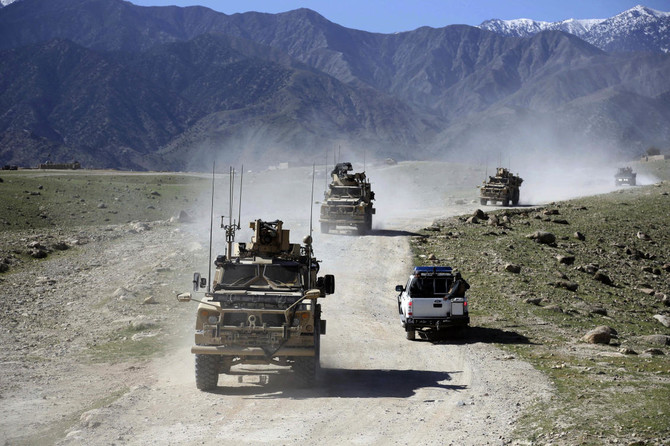
Taliban ‘open letter’ to Trump urges US to leave Afghanistan
Taliban ‘open letter’ to Trump urges US to leave Afghanistan


Latest updates


© 2026 SAUDI RESEARCH & PUBLISHING COMPANY, All Rights Reserved And subject to Terms of Use Agreement.