LONDON: The dump of pirated TV shows online following a hack of US network HBO is not expected to hit demand for pay-TV in the Middle East, where illegal sharing of content is already a widespread problem, a prominent media analyst said.
Hackers this week leaked more HBO episodes on the Internet, having earlier broken into HBO’s computer networks, according to reports.
Unaired shows dumped online in recent days include episodes from the highly anticipated new season of Larry David comedy “Curb Your Enthusiasm,” which is set to debut in October, the Associated Press reported.
Other shows dumped online include an episode of “Insecure,” and what appear to be episodes of “Ballers,” “Barry” and comedy special “The Deuce” — although no unaired installments of “Game of Thrones” were leaked, it was reported.
The Dubai-headquartered Middle East network OSN has a “First HBO HD” channel among its pay-TV subscription offerings. It airs high-profile HBO shows such as “Insecure” and “Veep” across the Middle East and North Africa. Under a deal with the American network, OSN also offers HBO shows on demand.
Media analysts said the dump of HBO shows on the Internet was unlikely to have much of an impact on Middle Eastern broadcasters.
Francois Godard, a media analyst at Enders Analysis, said however that this was partly because there was already a “high level” of piracy in the Middle East.
“Because piracy is already high, those that subscribe to pay-TV do it with an awareness that they have the option of piracy. They subscribe … for other reasons, notably sports,” Godard said.
“People who take the decision to subscribe to a legitimate broadcaster will not change their minds for a one-off (leak of pirated shows) like that.”
Godard warned, however, that should more leaks emerge, it could begin to have an impact.
“It’s not because you get one leak or two leaks that, as a subscriber to a channel where you can watch HBO shows, you would cancel your subscription,” Godard told Arab News. “It would have to be repeated to have an impact.”
OSN did not immediately respond to a request for comment.
HBO acknowledged the hack in late July, with the thieves apparently demanding a multimillion-dollar ransom from the network. The hacked HBO material reportedly included scripts from five “Game of Thrones” episodes.
Godard said that the blackmailing attempt was the main cause for concern in this case — including for other media companies that may be vulnerable to such attacks.
HBO would not specifically comment on any fallout in the Middle East when contacted by Arab News. It said in a statement that it was not engaging with the hacker involved.
“We are not in communication with the hacker and we’re not going to comment every time a new piece of information is released. It has been widely reported that there was a cyber incident at HBO. The hacker may continue to drop bits and pieces of stolen information in an attempt to generate media attention. That’s a game we’re not going to participate in,” the HBO statement said.
“Obviously, no company wants their proprietary information stolen and released on the Internet. Transparency with our employees, partners, and the creative talent that works with us has been our focus throughout this incident and will remain our focus as we move forward.”
The HBO case is the latest high-profile hacking attack on an entertainment company.
Claims were made in April about an apparent hack in which episodes of Netflix’s “Orange is the New Black” were stolen ahead of the launch date. A hack of film studio Sony Pictures caused chaos in 2014.


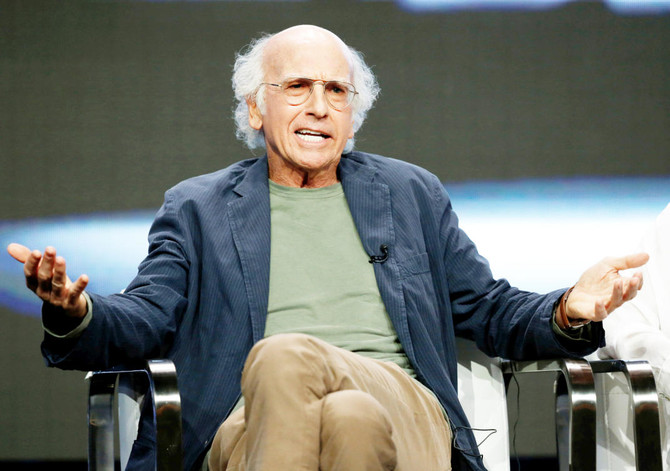
HBO hack not seen curbing enthusiasm for Mideast pay-TV
HBO hack not seen curbing enthusiasm for Mideast pay-TV


Gabon cuts off Facebook, TikTok after protests
Libreville, Gabon: Facebook and TikTok were no longer available in Gabon on Wednesday, AFP journalists said, after regulators said they were suspending social media over national security concerns amid anti-government protests.
Gabon’s media regulator on Tuesday announced the suspension of social media platforms until further notice, saying that online posts were stoking conflict.
The High Authority for Communication imposed “the immediate suspension of social media platforms in Gabon,” its spokesman Jean-Claude Mendome said in a televised statement.
He said “inappropriate, defamatory, hateful, and insulting content” was undermining “human dignity, public morality, the honor of citizens, social cohesion, the stability of the Republic’s institutions, and national security.”
The communications body spokesman also cited the “spread of false information,” “cyberbullying” and “unauthorized disclosure of personal data” as reasons for the decision.
“These actions are likely, in the case of Gabon, to generate social conflict, destabilize the institutions of the Republic, and seriously jeopardize national unity, democratic progress, and achievements,” he added.
The regulator did not specify any social media platforms that would be included in the ban.
But it said “freedom of expression, including freedom of comment and criticism,” remained “a fundamental right enshrined in Gabon.”
‘Climate of fear’
Less than a year after being elected, Gabonese President Brice Oligui Nguema has faced his first wave of social unrest, with teachers on strike and other civil servants threatening to do the same.
School teachers began striking over pay and conditions in December and protests over similar demands have since spread to other public sectors — health, higher education and broadcasting.
Opposition leader Alain-Claude Billie-By-Nze said the social media crackdown imposed “a climate of fear and repression” in the central African state.
In an overnight post on Facebook, he called on civil groups “and all Gabonese people dedicated to freedom to mobilize and block this liberty-destroying excess.”
The last action by teachers took place in 2022 under then president Ali Bongo, whose family ruled the small central African country for 55 years.
Oligui overthrew Bongo in a military coup a few months later and acted on some of the teachers’ concerns, buying calm during the two-year transition period that led up to the presidential election in April 2025.
He won that election with a huge majority, generating high expectations with promises that he would turn the country around and improve living standards.
A wage freeze decided a decade ago by the Bongo government has left teachers struggling to cope with the rising cost of living.
Authorities last month arrested two prominent figures from the teachers’ protest movement, leaving teachers and parents afraid to discuss the strike in public.


