AMMAN: The Palestine Liberation Organization (PLO) executive committee decided Saturday to intensify discussions aimed at reaching an agreement to hold a full session of the Palestine National Council (PNC) parliament-in-exile.
The decision follows a recommendation by the Fatah Central Committee to convene a full session of the PNC in order to elect a new executive committee and central council, and to approve a political program.
Hamadeh Faraneh, a member of the PNC, welcomed the call but expressed reservations about the idea of holding the meeting in Ramallah.
“The problems with holding the PNC in Ramallah are twofold,” Faraneh said. “It needs both a political consensus and a legal quorum.”
Political consensus would require national reconciliation, at least within the PLO factions. And in order to have a legal session, members would have to appear in person and not via video conferencing, Faraneh told Arab News. Some PNC members living outside of Palestine may refuse to come to occupied areas or may be barred by the Israelis from entering.
The question of holding the PNC outside of Ramallah could produce political problems with Palestinian President Mahmoud Abbas. Following the suspension of security coordination with Israel, Abbas is no longer as mobile as he was. And holding a PNC session in nearby Amman or Cairo might be seen as having political meanings or weakening the independence of the PLO.
One possibility, Faraneh suggests, is to hold the PNC session in Algiers. The 1988 session held in Algiers witnessed the declaration of the state of Palestine by Yasser Arafat.


![]()
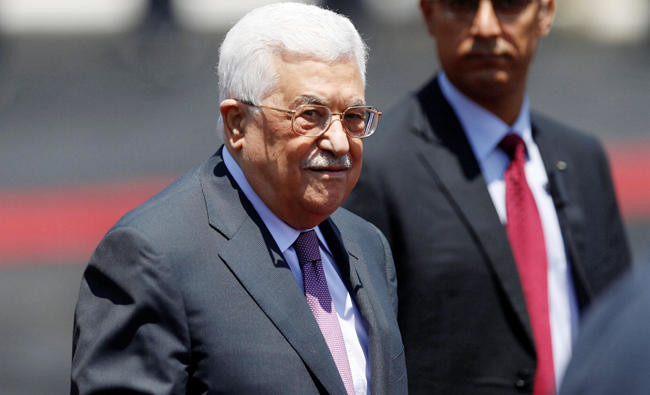
PLO intensifies talks for Palestinian National Council session
PLO intensifies talks for Palestinian National Council session

Latest updates


© 2026 SAUDI RESEARCH & PUBLISHING COMPANY, All Rights Reserved And subject to Terms of Use Agreement.