Disney pays at least $177 million to settle ‘pink slime’ case

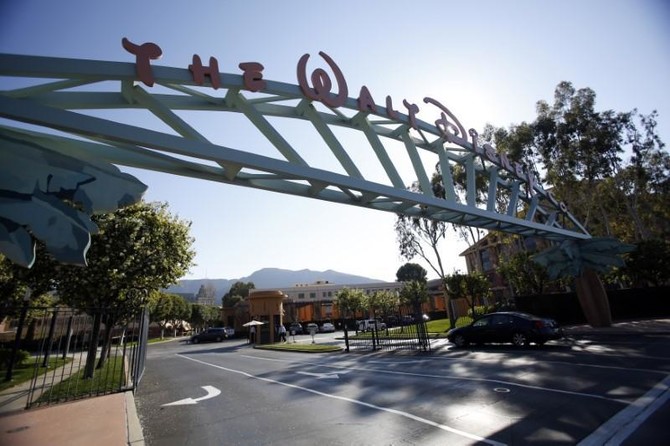
The entrance gate to The Walt Disney Co is pictured in Burbank, California February 5, 2014. (File photo via REUTERS)
Updated 09 August 2017
Follow

Disney pays at least $177 million to settle ‘pink slime’ case

Walt Disney Co. paid $177 million, in addition to insurance recoveries, to settle the closely watched “pink slime” defamation case against its ABC network by Beef Products Inc., a quarterly financial report shows.
Privately-held BPI sued American Broadcasting Company (ABC) in 2012 for $5.7 billion, saying it and reporter Jim Avila had defamed the company by using the “pink slime” tag, and making errors and omissions in a series of reports that year.
Disney and BPI, which calls the product “lean finely textured beef,” came to an undisclosed settlement in June, 3-1/2 weeks after a trial began in South Dakota, where BPI is based.
Disney reported the settlement of the litigation in a footnote to its financial report, saying it was seeking additional insurance proceeds to recover its cash payment.
The financial tables show a charge of $177 million described as being “in connection with settlement of litigation.” The figure is not directly linked to the “pink slime” case, but the BPI litigation is the only one Disney specifies in the report.
Reuters could not immediately reach Disney and an attorney for BPI for comment.
In a statement in June, ABC said it stood by its reporting. After the case was settled, Avila said the company was not retracting his stories or apologizing, and his 2012 “pink slime” reports remained on the ABC News website.
BPI’s signature product, commonly mixed into ground beef, is made from beef chunks, including trimmings, and exposed to bursts of ammonium hydroxide to kill E. coli bacteria and other contaminants.
A microbiologist formerly with the US Department of Agriculture is credited with having coined the term “pink slime.”


Thai coffee chains cut default sugar content in coffee and tea drinks in a new health push

Updated 11 February 2026
Follow

Thai coffee chains cut default sugar content in coffee and tea drinks in a new health push

  • The Health Department says Thais consume 21 teaspoons of sugar daily, far exceeding the World Health Organization’s recommended six teaspoons
  • Officials warn this increases obesity and diabetes risks. A survey found iced coffee and bubble tea contain high sugar levels

BANGKOK: For many Thais, a meal doesn’t feel complete without an iced coffee or tea so sugary it could pass for dessert. The government, concerned about the health consequences, wants them to dial it back.
Starting Wednesday, nine major coffee chains across the country have pledged to cut the default sugar content in some of their drinks by half in a government initiative aimed at tackling excessive sugar consumption.
According to the Health Department, Thais consume an average of 21 teaspoons of sugar per day, more than three times the World Health Organization’s recommended limit of six teaspoons. Health officials warn that such high intake increases the risk of obesity, diabetes and other diseases.
The initiative is the first significant step to change consumers’ sugar consumption behavior, said Amporn Benjaponpitak, the director general of the department.
Pakorn Tungkasereerak, the department’s deputy, said 2025 data show that about 45 percent of Thais aged 15 and older are obese, while 10 percent of the population has diabetes.
A survey by the Bureau of Nutrition found that a 22-ounce (650-milliliter) iced coffee contains an average of nine teaspoons of sugar, while a 10-ounce (300-milliliter) serving of bubble milk tea — an iced milk tea with tapioca pearls known as boba — can contain as much as 12 teaspoons.
Sirinya Kuiklang, an office worker, said she approves of the changes. She already orders her drinks at just 25 percent of the standard sugar level, but she is aware that many others consume too much sugar.
“It’s good for Thai people,” she said.
Another office worker, Porwares Tantikanpanit, said he has enjoyed his non-coffee beverages at their current sugar levels but is willing to adjust if shops reduce the sweetness.
However, putting the policy into practice may prove challenging. Officials have said each brand can apply the initiative as they see fit.
Some customers have expressed confusion in response to social media posts promoting the initiative, asking how to order drinks with the level of sweetness that they prefer. Several brands said that the reduction applies only to certain menu items.