WASHINGTON: The Trump administration is pushing for inspections of suspicious Iranian military sites in a bid to test the strength of the nuclear deal that President Donald Trump desperately wants to cancel, senior US officials said.
The inspections are one element of what is designed to be a more aggressive approach to preventing Iran from obtaining a nuclear weapon. While the Trump administration seeks to police the existing deal more strictly, it is also working to fix what Trump’s aides have called “serious flaws” in the landmark deal that — if not resolved quickly — will likely lead Trump to pull out.
That effort also includes discussions with European countries to negotiate a follow-up agreement to prevent Iran from resuming nuclear development after the deal’s restrictions expire in about a decade, the officials said. The officials were not authorized to discuss the efforts publicly and spoke on condition of anonymity.
The inspections requests, which Iran would likely resist, could play heavily into Trump’s much-anticipated decision about whether to stick with the deal he has long derided.
If Iran refuses inspections, Trump finally will have a solid basis to say Iran is breaching the deal, setting up Tehran to take most of the blame if the agreement collapses. If Iran agrees to inspections, those in Trump’s administration who want to preserve the deal will be emboldened to argue it is advancing US national security effectively.
The campaign gained fresh urgency this month following a dramatic clash within the administration about whether to certify Iran’s compliance, as is required every 90 days.
Trump was eager to declare Tehran in violation, even though the International Atomic Energy Agency (IAEA) that monitors compliance says its infractions are minor. At the urging of top Cabinet members, Trump begrudgingly agreed at the last minute to avoid a showdown for another three months — but only with assurances the US would increase pressure on Iran to test whether the deal is truly capable of addressing its nuclear ambitions and other troublesome activities.
Trump faces another certification deadline in three months, and it is far from clear that either new inspections or any “fixes” to address whether his concerns will be in place by then. Trump told The Wall Street Journal this week he expects to say Iran is not complying, setting a high bar for Secretary of State Rex Tillerson and other aides to persuade him otherwise.
“If it was up to me, I would have had them noncompliant 180 days ago,” Trump said.
To that end, the administration is seeking to force Iran to let in IAEA inspectors to military sites where the US intelligence community believes Tehran may be cheating on the deal, several officials said. Access to Iran’s military sites was one of the most contentious issues in the 2015 deal, in which Tehran agreed to roll back its nuclear program in exchange for billions of dollars in sanctions relief.
Last week in Vienna, where the IAEA is based, Undersecretary of State Thomas Shannon floated the proposal to the European members of the Joint Commission that oversees the deal, one official said. Britain, France and Germany joined the US, Russia, China and the EU two years ago in brokering the deal with Iran.
To force inspections of new sites in Iran, the US would need to enlist the support of the IAEA and a majority of the countries in the deal. But the US has run into early resistance over concerns it has yet to produce a “smoking gun” — compelling evidence of illicit activity at a military site that the IAEA could use to justify inspections, officials said.
Among the concerns about a rush toward inspections is that if they fail to uncover evidence of violations, it would undermine the IAEA’s credibility and its ability to demand future inspections. So the US is working to produce foolproof intelligence about illicit activity, officials said. The officials declined to describe the intelligence activities or the Iranian sites the US believes are involved.
Sen. Bob Corker, R-Tenn., who chairs the Senate Foreign Relations Committee, alluded to the strategy during an event hosted Wednesday by The Washington Post. Corker said the US was trying to “radically enforce” the deal by asking for access to “various facilities” in Iran.
“If they don’t let us in, boom,” Corker said. “You want the breakup of this deal to be about Iran. You don’t want it to be about the US, because we want our allies with us.”
The other major step to try to address what Trump has deemed flaws in the deal involves ensuring that Iran cannot revert to old behavior once the limitations on its program “sunset” over the next decade-plus.
Tehran can propose alternatives to on-site inspections, or reject the request, which would trigger a 24-day process for the Joint Commission countries to override the rejection.
That could drag on for months. And under ambiguities built into the deal, it is unclear whether Iran must allow IAEA inspectors into military sites, or whether the Iranians can take their own environmental samples and send them to the IAEA for testing, as was allowed under a 2015 side agreement that let Iran use its own experts to inspect the Parchin military site.
Even if Trump declares Iran in violation of the deal — a move that would invigorate his conservative base — he could still leave Iran’s sanctions relief in place.


![]()
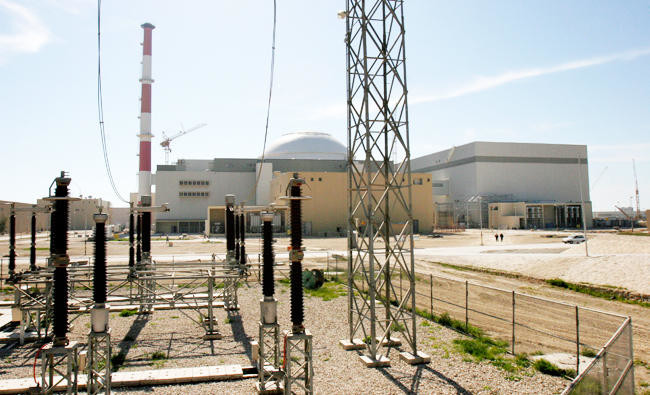
US seeks to test Iran deal with more inspections
US seeks to test Iran deal with more inspections
Latest updates





© 2026 SAUDI RESEARCH & PUBLISHING COMPANY, All Rights Reserved And subject to Terms of Use Agreement.