INDIA: India’s Supreme Court on Friday rejected a plea by a 10-year-old rape victim to have an abortion because doctors said it was a threat to her life.
The girl is eight months pregnant and her lawyers said her family had accepted the verdict.
“The court ruling is based on the opinion received from the qualified medical panel and we are content with the ruling,” Alakh Alok Srivatav, a lawyer for the victim’s family, told AFP.
The Supreme Court judges said they cannot allow a termination because the medical report suggested it was “neither good for the mother nor the fetus.”
The girl, who has not been named, was allegedly raped several times by an uncle. He has been arrested for multiple rape.
The pregnancy was only discovered recently after her parents took her to hospital complaining of stomach pain. The parents then approached the courts to allow an abortion.
Their initial plea at a local court was declined over similar safety fears. The family challenged the ruling at the Supreme Court.
Indian law does not allow medical terminations after 20 weeks unless there is a threat to the mother’s life.
Indian courts have considered many pleas from rape victims seeking permission to terminate pregnancies following abuse.
In May the top court allowed a 10-year-old rape victim from the northern state of Haryana to abort her nearly 21-week fetus.
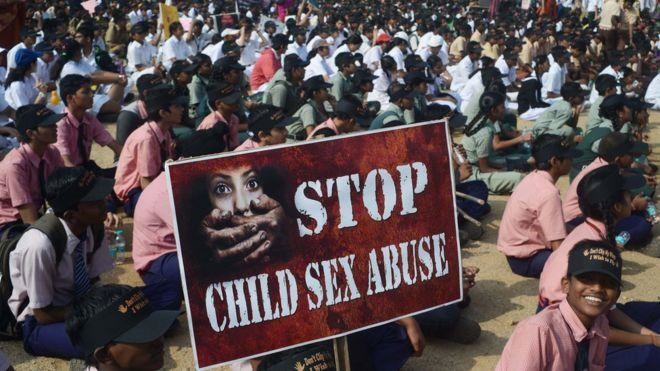
India has a grim record of sexual assaults on minors with 20,000 cases of rape or sexual assaults reported in 2015, according to government data. A UN Committee on the Rights of the Child in 2014 said one in three rape victims was a minor.

Indian court rejects abortion for 10-year-old rape victim
Indonesia reaffirms Yemen’s territorial integrity, backs stability efforts amid tensions
- Statement comes after Saudi Arabia bombed a UAE weapons shipment at Yemeni port city
- Jakarta last week said it ‘appreciates’ Riyadh ‘working together’ with Yemen to restore stability
JAKARTA: Indonesia has called for respect for Yemen’s territorial integrity and commended efforts to maintain stability in the region, a day after Saudi Arabia bombed a weapons shipment from the UAE at a Yemeni port city that Riyadh said was intended for separatist forces.
Saudi Arabia carried out a “limited airstrike” at Yemen’s port city of Al-Mukalla in the southern province of Hadramout on Tuesday, following the arrival of an Emirati shipment that came amid heightened tensions linked to advances by the UAE-backed Southern Transitional Council in the war-torn country.
In a statement issued late on Wednesday, the Indonesian Ministry of Foreign Affairs said it “appreciates further efforts by concerned parties to maintain stability and security,” particularly in the provinces of Hadramout and Al-Mahara.
“Indonesia reaffirms the importance of peaceful settlement through an inclusive and comprehensive political dialogue under the coordination of the United Nations and respecting Yemen’s legitimate government and territorial integrity,” Indonesia’s foreign affairs ministry said.
The latest statement comes after Jakarta said last week that it “appreciates the efforts of the Kingdom of Saudi Arabia, as well as other relevant countries, working together with Yemeni stakeholders to de-escalate tensions and restore stability.”
Saudi Arabia leads the Coalition to Restore Legitimacy in Yemen, which includes the UAE and was established in 2015 to combat the Houthi rebels, who control most of northern Yemen.
Riyadh has been calling on the STC, which initially supported Yemen’s internationally recognized government against the Houthi rebels, to withdraw after it launched an offensive against the Saudi-backed government troops last month, seeking an independent state in the south.
Indonesia has also urged for “all parties to exercise restraint and avoid unilateral action that could impact security conditions,” and has previously said that the rising tensions in Yemen could “further deteriorate the security situation and exacerbate the suffering” of the Yemeni people.
Indonesia, the world’s biggest Muslim-majority country, maintains close ties with both Saudi Arabia and the UAE, which are its main trade and investment partners in the Middle East.