KYAR GAUNG TAUNG, Myanmar: Rohingya Muslim Ayamar Bagon has lived on handouts since her husband left her after she told him she was gang-raped by Myanmar soldiers in the final month of her pregnancy.
She is among scores of women who accuse security forces of sexual abuses during a months-long military ‘clearance operation’ so brutal the UN fears it may amount to crimes against humanity.
AFP visited the remote region in the north of Rakhine State on a government-run trip this month, the first time foreign media have been officially allowed into the area since the military began hunting militants in October.
On the edge of Kyar Gaung Taung village, away from the government minders, a group of Rohingya women described how their lives were shattered the day soldiers came to their homes late last year.
“I was raped close to my due date, in my ninth month of pregnancy. They knew I was pregnant but didn’t care,” Ayamar Bagon told AFP through a UN translator, clutching her baby daughter to her chest.
“My husband blamed me for letting it happen. Because of this, he married another woman and now lives in another village,” the 20-year-old added, explaining that she survives on food donations from her neighbors.
Mother-of-two Hasinnar Baygon, 20, said her husband has also threatened to leave after she was raped by three troops in December.
They took turns to violate her while two others stood watch outside her hut, she alleges, adding that she knew they were soldiers because of their uniforms and guns.
All the Rohingya men had already fled the village out of fear they would be beaten up by troops, leaving only the women, children and elderly behind.
“My husband told me he is going to leave me. He blamed me for not running away,” Baygon said.
The government denies the allegations and AFP has not been able to verify their stories or claims from two other women who said they were raped by soldiers.
But they echo scores of accounts collected by UN investigators and rights groups from some of the 74,000 Rohingya who have fled to neighboring Bangladesh.
The UN believes hundreds may have died in what could be the bloodiest chapter of Buddhist-majority Myanmar’s years-long persecution of the 1.2 million Rohingya Muslims who live in Rakhine.
Kyar Gaung Taung village was caught up in one of the most brutal episodes in November, when witnesses and state media said dozens of Rohingya were killed as troops swept through the villages.
Myanmar’s government has denied almost all claims of abuses and barred a UN fact-finding mission from the area.
Instead they say probes by the military and police, as well as a state-appointed team, are sufficient.
“Cases have been filed regarding killings after the investigation. They also looked into allegations of rape,” said Brig. Gen. San Lwin, the head of the border guard police in Rakhine state, adding the investigations were ongoing.
Rohingya from Kyar Gaung Taung said they had lodged three rape cases out of 15 alleged assaults in the village, but nothing has been done.
Other women were too scared to report what happened to them, fearing retribution from authorities or being ostracized by their community and husbands.
“Some women didn’t want to complain for the sake of their pride,” said one Rohingya villager, who asked not to be named.
Rights groups have long accused Myanmar’s military of using rape as a weapon of war in several ethnic conflicts simmering in the country’s borderlands.
Fears of Muslim men violating Buddhist women have also long been used to stir sectarian hatred.
Allegations Muslims raped Buddhists sparked clashes in 2012 that drove more than 120,000 Rohingya into displacement camps, and deadly riots two years later near Mandalay.
Victims of the latest crisis say they hold little hope for justice.
“I didn’t know them. How can I report them?” said Ayamar Bagon of her rapists. “What can we do?”


![]()
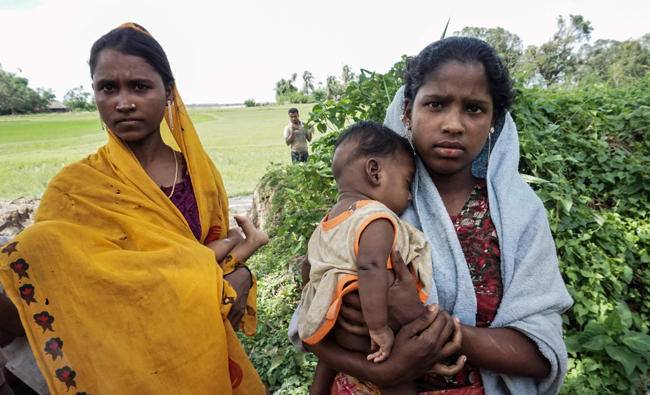
Rohingya women abandoned after rapes
Rohingya women abandoned after rapes
Latest updates


© 2026 SAUDI RESEARCH & PUBLISHING COMPANY, All Rights Reserved And subject to Terms of Use Agreement.