LONDON: The British investment community could not afford to miss out on the opportunity offered by a multibillion-dollar flotation of Saudi Aramco on the London Stock Exchange (LSE), despite reservations in some quarters about corporate governance and shareholder protection.
Aramco — officially estimated as being worth $2 trillion — is considering global stock market locations as part of the plan for a sale of some of the company in 2018. It is part of a wider privatization drive as part of the Kingdom’s strategy of economic diversification.
London and New York are believed to be rivals for the Western listings in the Aramco initial public offering (IPO).
The UK financial authorities are considering setting up a new type of listing category for companies owned by sovereign governments that want to pursue an IPO in London on the “premium” part of the market. If it gets approved, it could attract Aramco and other government-owned entities from the Arabian Gulf and elsewhere.
While some investment experts have criticized the new proposals as weakening the corporate governance culture of the UK, many believe the City of London has to attract new business in the wake of the UK vote to leave the EU, which could hit traditional revenue streams in what is regarded as the premier financial marketplace in Europe.
David Buik, veteran market commentator at investment house Panmure Gordon, said: “The UK is a little short of friends, and there is no reason why London should not be part of the Aramco float. To get this away in London would show that the LSE is the place where such global listings should be done.”
That view was echoed by others in the City. David Ramm, corporate partner in the London office of global law firm Morgan Lewis, said: “Post-Brexit, London needs to maintain its international reach and network and show it is back to ‘business as usual.’ The financial infrastructure is already there to support it as a global market. A listing the size of Aramco would emphasize the size and importance of London as a financial center.”
Others warned however that the City authorities and Aramco would have to get the listing proposals just right to ensure a successful IPO and after-market in London. When the sovereign listing proposals were first suggested, Chris Cummins, the chief executive of the Investment Association, a trade body that represents investment managers, said: “The (financial authorities) are consulting on removing key investor protections from the premium-listing segment to accommodate sovereign. Investors believe a premium listed segment without these investor protections is not a premium segment, and would not provide the protection that investors expect.”
Concerns center around the fact that only 5 percent of Aramco would be listed, leaving investors as minority shareholders in a company dominated by the Saudi government.
Ramm said: “Regarding minority protection, any company listing in London would still have to comply with the ongoing regulatory obligations. London has some of the best corporate governance practices in the world.”
Crucial for the chances of success in London is the valuation and the dividend policy. Buik said: “Investors are much more savvy now and they want to show some profit. A $2 trillion valuation might be ambitious. What level of dividend Aramco intends to pursue will be very important in deciding investor sentiment.”
Critics of the new sovereign proposals point to the experience of Eurasian Natural Resources Corporation (ENRC), a Kazakhstan company that had to delist in 2013 after six years on the LSE during which serious governance issues emerged.
“London has certainly learned to be more rigorous in enforcement,” Ramm said.
One investment banker with experience in Gulf markets, who did not want to be identified, said a successful listing for Aramco in a “sovereign” category could open up a whole new investment segment in global markets.
“It’s not just Aramco. The Saudi government is committed to a $200 billion privatization program, that could also go to London. And there are lots of government-owned entities in the UAE and elsewhere in the region that might want to raise cash on the London market. It could make sovereigns investible in a way they are not at the moment.”
Some advisers to Aramco fear that a listing in New York would open up the doors to expensive litigation. Ramm said: “There is a shareholder litigation culture in the US that is not present in the UK, so London is a safer jurisdiction in many ways.”


![]()
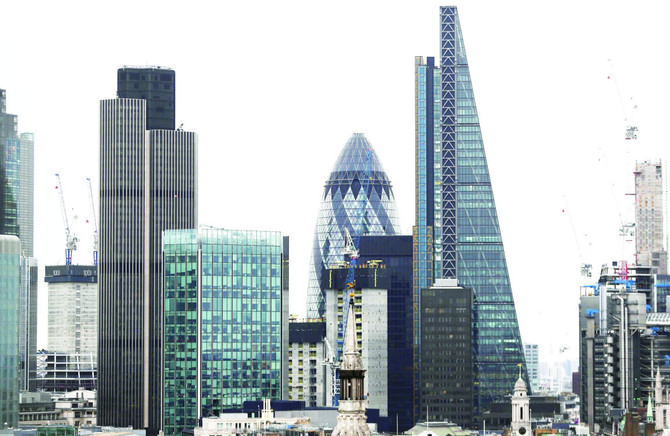
London, in need of financial friends, would welcome Aramco
London, in need of financial friends, would welcome Aramco
Latest updates





© 2026 SAUDI RESEARCH & PUBLISHING COMPANY, All Rights Reserved And subject to Terms of Use Agreement.