JEDDAH: A General Commission for Tourism and Heritage (GCTH) scientific team recently finished a study of Okaz Market, which started as a 20-day yearly gathering of Arab merchants and buyers in Taif in 501 AD, a century before the emergence of Islam.
Several layers of civilization were dug out at the location, starting with the Stone Age. It gradually lost its attraction after the spread of Islam, when permanent markets started being established in Makkah and in new Muslim cities outside the region.
In the golden days of Okaz Market, merchants would display goods from the Arabian Peninsula and further afield. Foodstuffs, livestock, weapons, leather and perfumes were brought from Iraq, the Levant, Persia and Yemen.
Due to its fame and status at the time, the yearly event would witness not only bustling commercial activity, but the settling of commercial and social disputes, and announcements of and discussions about political, cultural and social events.
Arab tribes would forge alliances, reconcile and make public agreements during the gatherings. People would exchange news, tell stories and show off other literary skills.
Those who wanted to publicly express gratitude would do so at the market, where large audiences could be reached. Okaz was famous for being a platform for many prominent poets and other literary figures in Arab history.
About 5 kilometers south of where the market used to be located, researchers found signs of ancient habitation. Stone objects and remnants of a 300-meter-long wall are thought to date back to the Stone or Bronze Age.
North of the area, researchers found ancient paintings depicting human activity such as archery and hunting. A perfectly preserved rendition of a camel and a horseman in black paint was also found.


![]()
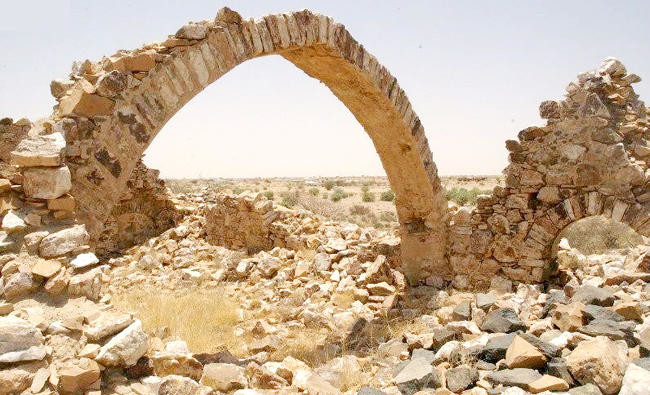
Okaz Market in Taif — more than a marketplace
Okaz Market in Taif — more than a marketplace
Latest updates


© 2026 SAUDI RESEARCH & PUBLISHING COMPANY, All Rights Reserved And subject to Terms of Use Agreement.