KHARTOUM: The US and key world powers have urged Khartoum and a rebel group to end a renewed bout of fighting that has erupted in Sudan’s war-torn Darfur after months of relative calm.
The fighting in East and North Darfur states comes just weeks before Washington formally decides on whether to lift decades old trade sanctions imposed on Khartoum.
The US, Britain and Norway, the so-called troika of powers on Sudan, and the resident EU embassies in Khartoum expressed “deep concern” over the latest round of fighting that began on May 20 between Sudanese forces and the rebel Sudan Liberation Movement — Minni Minawi group (SLM-MM).
Khartoum says the fighting, which erupted after months of relative calm, began as many rebels returning from Libya and South Sudan clashed with government forces in East and North Darfur states.
“We call on all parties to show restraint, cease all military actions, return to the unilaterally proclaimed cease-fires and finalize as soon as possible a joint cessation of hostilities agreement,” a joint statement from the troika and EU embassies said on Thursday.
In January, Khartoum announced a unilateral six-month cease-fire in Darfur.
Khartoum limits international media access to Darfur, and Sudanese authorities could not be reached for comment on details of the fighting.
Before leaving office, former President Barack Obama eased US sanctions against Sudan, but kept Khartoum on a six-month probation period before Washington formally lifts the trade embargo.
An end to fighting in Sudan’s hotspots — Darfur, Blue Nile and South Kordofan states — has been set as a precondition for sanctions being formally lifted.
Obama also kept Sudan on Washington’s blacklist of nations designated as state sponsors of terrorism.
Khartoum has been subject to a US trade embargo since 1997 over its alleged support for terrorist groups.
Al-Qaeda leader Osama bin Laden was based in Khartoum from 1992 to 1996.
Washington believes Khartoum’s terror ties have ebbed, but has kept sanctions in place because of the scorched-earth tactics it has used against ethnic minority rebels in Darfur.
According to the UN, 300,000 people have been killed and 2.5 million displaced since the Darfur conflict erupted in 2003.


![]()
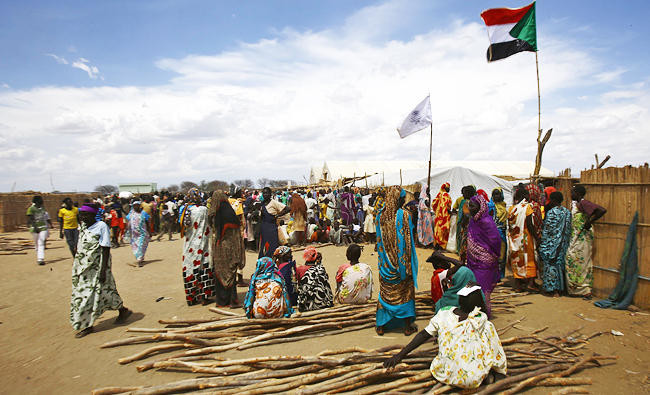
US, EU urge end to Darfur fighting
US, EU urge end to Darfur fighting
Latest updates


Recommended


© 2026 SAUDI RESEARCH & PUBLISHING COMPANY, All Rights Reserved And subject to Terms of Use Agreement.