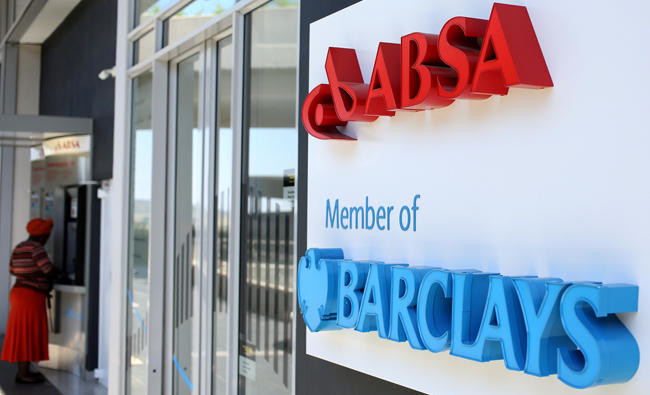
LONDON: Barclays cut its stake in Barclays Africa Group to 15 percent sooner than expected on Thursday, ending more than 90 years as a major presence in the continent.
The British bank, which under Chief Executive Jes Staley is firmly focused on Britain and the United States, said it was selling £2.2 billion ($2.83 billion) worth of shares in Barclays Africa Group due to strong investor demand.
Barclays had said on Wednesday it would sell shares worth 1.5 billion pounds in its second such sale since announcing plans to offload most of its African business.
The bigger share sale initially lifted shares in Barclays, which is partly relying on the funds raised to meet capital requirements identified as a concern by the Bank of England in November. By 0835 GMT, the shares were down 0.1 percent.
The sale is expected to mean an increase of approximately 27 basis points to Barclays' core capital ratio, a key measure of financial strength, which was 12.5 percent at 31 March 2017 .
"We still see this deal as utterly transformational for Barclays’ capital position, which in turn offers specific opportunities for earnings enhancement," analyst Ian Gordon at Investec wrote in a note following the announcement.
Barclays, whose shares were trading up 0.5 percent at 0740 GMT, said on Wednesday that South African pension fund Public Investment Corporation would buy 7 percent of the shares, raising its holding to 14 pct according to Thomson Reuters data.
The Barclays Africa Group shares, which were up nearly 3 percent at 143 rand at 0835 GMT, will be priced at 132 rand a share, the bank said.
That represents a 5 pct discount to Wednesday's closing price of 139 rand and will raise an aggregate 2.2 billion pounds, the bank said, adding it will then place an additional 12.7 million shares in a black economic empowerment scheme.
Barclays said in March 2016 it would sell most of its 62.3 pct stake in Barclays Africa Group, giving itself two to three years to complete the sale. Its first sell down of 12.2 percent was completed in May 2016, but the bank had since been hindered by regulatory delays and political upheaval in South Africa.
Since taking over 18 months ago, Staley has scaled back the bank's geographic footprint and emphasised investment banking, although his attempts to revitalise this business have been clouded by investigations in the U.S. and Britain.
Staley has also faced criticism from investors following his attempts to unmask a whistleblower, which Barclays insiders fear could unseat him if the findings of inquiries are damning.
Barclays also faces regulatory obstacles, with an ongoing probe by Britain's Serious Fraud Office (SFO) into its 2008 cash call at the height of the financial crisis and allegations by the US Department of Justice (DOJ) over mortgage mis-selling.
Analysts at KBW said the completion of the sale earlier than expected was positive for the bank's capital ratio.
"However this still remains far from market leading (still below Credit Suisse or Deutsche Bank), whilst a number of headwinds remain outstanding," they added in a note.


![]()
Barclays makes early African exit with $2.8bn share sale
Barclays makes early African exit with $2.8bn share sale
Latest updates




© 2026 SAUDI RESEARCH & PUBLISHING COMPANY, All Rights Reserved And subject to Terms of Use Agreement.