BRUSSELS: The leaders of Europe sent Britain offers of support and sympathy following the suicide bombing of a pop concert in Manchester overnight that killed 22 people, including children.
Emmanuel Macron, newly elected president of France which has been hard hit by Islamist attacks in recent years, will offer Prime Minister Theresa May cooperation in a call later in the day, Macron's office said.
"I offer my thoughts to the British people, to the victims and their loved ones," Macron himself wrote on Twitter.
"We are fighting terrorism together."
European Commission President Jean-Claude Juncker, chief executive of the European Union, said: "It breaks my heart to think that, once again, terrorism has sought to instil fear where there should be joy, to sow division where young people and families should be coming together in celebration.
"Today we mourn with you. Tomorrow we will work side by side with you to fight back against those who seek to destroy our way of life," Juncker said in a statement. "These cowardly attacks will only strengthen our commitment to work together to defeat the perpetrators of such vile acts."
Juncker's security commissioner, Briton Julian King, said on Twitter: "Today we all express our solidarity with the victims of the terrible Manchester terrorist attack".
EU flags flew at half mast outside the Union's headquarters in Brussels
EU chief Brexit negotiator Michel Barnier, who will launch talks with May's government next month, after Britain's June 8 election, to leave the EU, said there would be "support to the UK government in (the) fight against terrorism".
Accepting his formal negotiating mandate from EU governments just on Monday, Barnier had underlined a determination to maintain close security cooperation with Britain, which has one of Europe's most powerful intelligence services and long experience of combating domestic political violence.
Other leaders lined up to express solidarity, among them Belgian Prime Minister Charles Michel, whose capital was home to an Islamic State cell which killed 130 people in Paris in November 2015, many of them at a rock concert, and which later struck in Brussels itself, killing 32 people in March last year.
Martin Schulz, the former speaker of the European Parliament now challenging Angela Merkel for the post of German chancellor in a September election, echoed many of their sentiments:
"Horrible news coming from Manchester," Schulz said on Twitter. "We don't know much yet but it's inconceivably tragic. My thoughts are with the victims and their families."


![]()
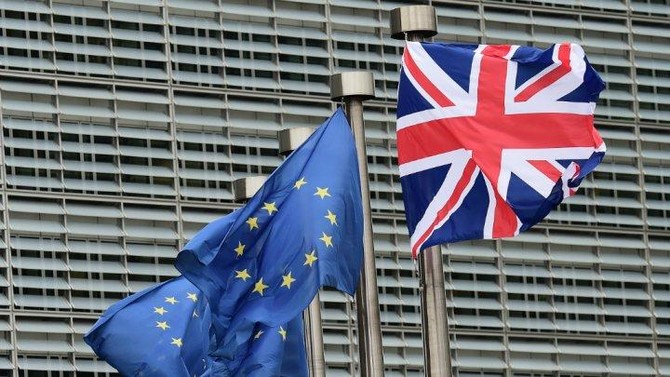
Europeans offer support, sympathy for Manchester attack
Europeans offer support, sympathy for Manchester attack

Latest updates



© 2026 SAUDI RESEARCH & PUBLISHING COMPANY, All Rights Reserved And subject to Terms of Use Agreement.