Exercise in Ramadan? More people than ever are saying “yes” to feeling healthy and energized all-year-round, “yes” to spending more quality time taking part in activities with family and friends, and “yes” to the happy buzz of endorphins that even a gentle workout brings. During Ramadan, the key is to take exercise that is light, manageable and enjoyable — as simple as a short walk.
Four Seasons Hotels and Resorts is joining the action with the launch of #MoveThisRamadan — an initiative encompassing 15 Four Seasons locations across the Middle East and North Africa, as well as Istanbul and Jakarta. Each property will host weekly wellness activities led by a resident fitness expert, open to both local communities and hotel guests. From jogging to yoga, stretching and strolls — the choice of fitness sessions has been carefully designed taking into consideration local climates and activity levels that are appropriate when fasting.
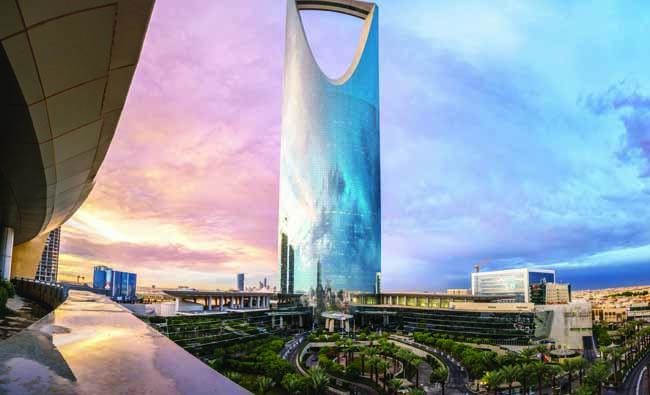
Riyadh residents have the choice of not one but two different exercise classes offered by the expert fitness team at Four Seasons Hotel Riyadh at Kingdom Center. Those with the energy for a lively group activity can head to Body Bump led by Bahaa Mahmoud, taking place every Monday and Wednesday throughout Ramadan at 5 p.m. For those looking for a calming, stretching session, a dedicated Yoga Class led by Kesavadas Das will run at 5:00 p.m. every Sunday, Tuesday and Thursday.
From the opening of its first hotel in 1961, the story of Four Seasons Hotels and Resorts is defined by the constant pursuit of guest happiness through understanding their needs — including wellness. In fact, Four Seasons was the first hospitality company to integrate fitness centers and spas into its hotels, and the first to introduce a choice of healthy dishes on the menu. Today, the story continues with #MoveThisRamadan.
In addition to enabling people to come together and enjoy exercise, #MoveThisRamadan celebrates the region’s cultural sites and spectacular landscapes with activities that make the most of a stunning collection of locales. Whether it’s joining the group of “Beachside Strollers” at Four Seasons Resort Dubai at Jumeirah Beach or “City Striders” at Four Seasons Hotel DIFC, taking a Pranayama Class against the stunning skyline of Manama at Four Seasons Hotel Bahrain Bay, or jogging along the Nile with the Cairo Runners and the Four Seasons Egypt Collection, #MoveThisRamadan journeys make a photo-worthy treat at the magical hour of sunset.
Drawing on the holy month’s key values of togetherness, sharing and finding inner peace, #MoveThisRamadan supports physical activity as a natural component of everyone’s Ramadan ritual.

Staying healthy and energized with light fitness activities
New energy vehicles drive next phase of mobility in Saudi Arabia
Saudi Arabia stands at a defining moment in its mobility transformation. Under Vision 2030, the Kingdom is accelerating its transition toward cleaner, smarter and more connected transport systems.
New energy vehicles are at the center of this shift, offering a pathway to a more sustainable automotive ecosystem. Yet while consumer interest is rising rapidly, converting intent into everyday adoption will depend on how effectively the wider mobility system evolves alongside electric vehicles.
Recent nationwide research by Al-Futtaim highlights the strength of this momentum. More than 70 percent of Saudi residents surveyed are already familiar with NEVs, while nearly eight in 10 say they would consider purchasing one as their next vehicle. Most notably, 80 percent expect to buy an electric vehicle within the next three years, signaling that the transition is moving from aspiration to reality.
Despite this optimism, important barriers remain. Range anxiety continues to be the most frequently cited concern, alongside high purchase prices and long charging times. Practical considerations dominate purchasing decisions, with affordability and access to charging infrastructure outweighing environmental motivations. These findings underline a pressing reality: consumers will embrace NEVs at scale only when electric mobility feels as convenient, reliable and accessible as conventional driving.
For industry leaders, this represents both an opportunity and a responsibility. Jerome Saigot, managing director of Al-Futtaim BYD KSA, said: “Saudi Arabia is building the foundations for a future-ready mobility system under Vision 2030. The opportunity now is to connect the dots, bringing together vehicles, charging infrastructure, consumer education and service capability to unlock confident, large-scale adoption of new energy vehicles.”
Charging networks therefore play a central role in supporting adoption, but they are not the only requirement. NEV uptake is closely linked to how cities are planned, how people commute and how transport systems connect.
Emerging mobility models also point to a more connected future. High levels of openness to mobility-as-a-service, autonomous vehicles and shared transport indicate that Saudi consumers are receptive to innovation. However, these technologies will succeed only if they are embedded within systems that link vehicles, infrastructure, data and urban design.
Successful electric mobility ecosystems need to be built around coordinated rather than isolated initiatives. Electric vehicles perform best when supported by reliable charging, smart traffic management, efficient public transport and well-designed urban environments. In this context, NEVs benefit directly from parallel investment in rail, bus networks, digital platforms and active mobility infrastructure.
Encouragingly, public confidence in Saudi Arabia’s long-term mobility vision remains strong. More than 85 percent of respondents surveyed by Al-Futtaim believe the Kingdom is on track to lead in future mobility. Consumers also clearly identify priorities for continued progress, including expanding charging infrastructure, improving mass transportation and strengthening regulatory frameworks.
For policymakers, investors and industry players, the message is clear. The next phase of mobility transformation must focus on alignment: aligning infrastructure with consumer expectations, aligning innovation with everyday needs, and aligning public and private investment around shared outcomes.
Saudi Arabia’s mobility transition is no longer a distant ambition. It is unfolding now, shaped by confident consumers, ambitious institutions and accelerating technological change. By building connected systems that place people at their center, the Kingdom can ensure that electric mobility becomes a lasting part of its sustainable future.
To explore these insights and recommendations in more detail, download The Future of Mobility in Saudi Arabia.