BAGHDAD: Iraqi forces launched a new attack on Daesh in Mosul’s Old City on Sunday, military officials said, trying to break the stalemate in attempts to seize the militants’ last stronghold.
Mosul, Iraq’s second biggest city, was captured by the terrorists in 2014, but government forces have retaken much of it during a six-month operation.
The advance has hardly moved for more than a month, though, as the militants are holding out in the densely populated Old City in western Mosul, where tanks and heavy vehicles are not able to operate because of its narrow streets.
Iraq’s federal police moved forces 200 meters deeper into the Old City, getting closer to Al-Nuri Mosque, a statement said.
The mosque is highly symbolic because it was there that Daesh leader Abu Bakr Al-Baghdadi declared himself head of a self-proclaimed caliphate.
Troops have had the centuries-old mosque with its leaning minaret in their sights since last month.
A captain in the federal police said Sunday’s advance had started in the early morning with troops fighting the militants house to house.
“Daesh suicide motorcycles now are their favorite weapon inside the Old City,” he said, using a derogatory name for the terror group. “We have to watch every single house to avoid attackers on motorcycles packed with explosives.”
Iraqi government forces, backed by US advisers, artillery and air support, have cleared the east and half of western Mosul and are now focused on the Old City.


![]()
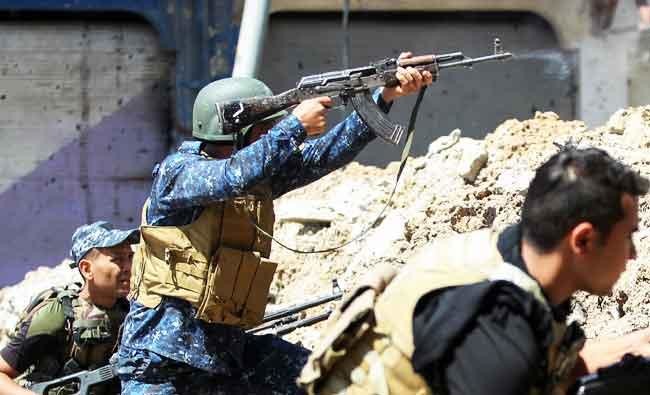
Iraqi forces make new push toward Mosul’s Old City
Iraqi forces make new push toward Mosul’s Old City

Latest updates






© 2026 SAUDI RESEARCH & PUBLISHING COMPANY, All Rights Reserved And subject to Terms of Use Agreement.