WASHINGTON: One person was killed and 14 others wounded on Sunday in a shooting at a packed nightclub in Cincinnati, Ohio, police said.
Authorities initially said there were at least two shooters, but Paul Neudigate, assistant Cincinnati police chief, said in a tweet later that there was “only one reported shooter at this time, still investigating if others involved.”
He said: “Motive is still unclear but there are no indications this incident is terrorism related.”
The Cincinnati Police Department said there were “15 gunshot victims, one deceased” and that its “homicide unit and all available resources are being utilized.”
Neudigate said earlier that hundreds of people were in the Cameo nightclub when the shooting broke out, causing many to flee the scene.
It was not immediately clear where the shooter was but no one has been taken into custody, Sergeant Eric Franz told ABC News, describing the aftermath as a “large and complicated homicide scene.”
He said police were interviewing multiple witnesses to the shooting, which broke out at around 1 am (0500 GMT).
Neudigate’s tweet on the number of shooters came after Captain Kimberly Williams, the district’s police commander, told CNN there were at least two shooters.
“We are sure there was more than one, but we are not sure if there was more than two at this point,”she said.
“It was a young crowd and we have had incidents in the past, but this is the worst by far.
“By the time ... the shots were fired, individuals ran outside, so there was not a lot of people inside the club. I believe there was a large crowd earlier this evening, but just a lot of chaos when the shots went off,” she said.
Although police said there was no evidence of a terrorism connection, the attack inevitably raised memories of last year’s shooting rampage at a gay nightclub in Orlando, Florida.
That attack — which left 49 dead and 68 wounded — was the deadliest terror attack in the US since September 11, 2001.
The shooter, Omar Mateen, pledged allegiance to Daesh in a 911 call to police during the assault on the Pulse nightclub.
But shootings are a common feature of life in America, where the right to bear arms is protected by the US Constitution.
On Saturday, a gunman opened fire on a double-decker bus on the Las Vegas Strip, killing one person and wounding another. Police said the suspect appeared to have “mental issues.”
On Jan. 6, a 26-year-old Iraq war veteran opened fire in the baggage claim area of the Fort Lauderdale, Florida airport, killing five people.
More notorious gun crimes in recent years include the rampage carried out by 21-year-old white supremacist Dylann Roof, who shot to death nine people during a Bible study session at a historically African American church in Charleston, South Carolina on June 17, 2015.
And a massacre at an elementary school in Newtown, Connecticut on Dec. 14, 2012 claimed the lives of 20 children and six adults. Gunman Adam Lanza, who had a history of mental illness, also killed his mother and went on to commit suicide.
The tragedy sparked calls for stricter gun control laws, but bills banning assault weapons and expanding background checks on gun purchases were defeated in the US Congress.


![]()
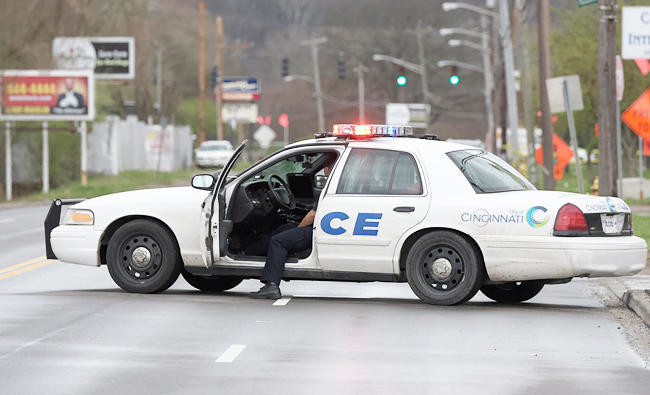
Ohio shooting leaves 1 dead, 14 wounded
Ohio shooting leaves 1 dead, 14 wounded

Latest updates


© 2026 SAUDI RESEARCH & PUBLISHING COMPANY, All Rights Reserved And subject to Terms of Use Agreement.