Turkey objects to US restrictions on flight tech

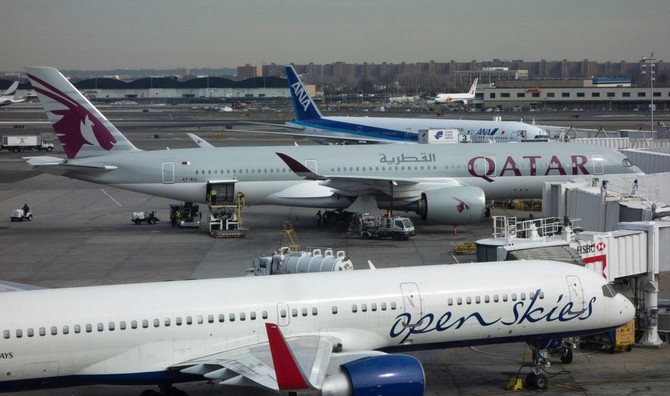
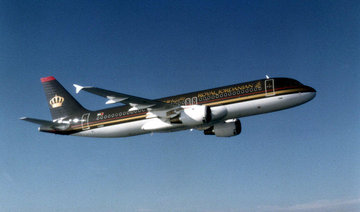
Passengers traveling to the United States from 10 airports in eight Muslim-majority countries will be prohibited from bringing laptops, tablets and other portable electronic devices on board with them when they fly. The nine airlines affected by the US ban are Royal Jordanian, EgyptAir, Turkish Airlines, Saudi Arabian Airlines, Kuwait Airways, Royal Air Maroc, Qatar Airways, Emirates and Etihad Airways. (AFP)
Updated 21 March 2017
Follow

Turkey objects to US restrictions on flight tech

CAIRO: The Latest developments related to the U.S. government move to bar passengers in eight Muslim-majority countries from bringing laptops and other electronics onboard direct flights to the United States.
Turkey's transportation minister says his country is in talks with United States authorities to "stop or soften" the U.S. restriction on electronics for flights bound from Istanbul to the U.S.
Minister Ahmet Arslan objected to the restriction on Tuesday, saying it would reduce both the comfort and number of passengers, the private Dogan news agency reported.
Arslan urged the U.S. to "not confuse Istanbul with other places," saying that Turkish authorities already take every possible security precaution. He added Turkey expects the issue to be resolved in the coming days.
Turkey's main carrier, Turkish Airlines, posted a notice on its website informing passengers to not bring on board "any electronic or electrical devices larger than a cellphone or smartphone (except medical devices)" to flights arriving in U.S. destinations.


GCC states ‘face reliance on Saudi Arabia for food imports’

Updated 59 min 21 sec ago
Follow

GCC states ‘face reliance on Saudi Arabia for food imports’

  • With 70 percent of food coming through Strait of Hormuz, analysts warn of inevitable shortages

DUBAI: Some Gulf states may have to rely on overland food deliveries from Saudi Arabia if the US-Israel-Iran war continues to disrupt shipping through the Strait of Hormuz and restrict regional airspace, analysts warned on Thursday.
The region is up to 90 percent dependent on food imports, and price surges and scarcity of some goods are expected.
“With over 70 percent of GCC foodstuffs being imported through the Strait of Hormuz, Gulf states face shortages if the war persists,” said Neil ​Quilliam of the Chatham House think tank. 
“While GCC countries have taken steps to diversify suppliers and ensure sufficient stores to withstand disruption, this can only last several months. At this point, price increases ​and longer lead times will start to hit the markets.”
Commodities analyst Ishan Bhanu said: “The biggest immediate effect will be due to the blockade of Jebel Ali in Dubai, serving about 50 million people. Qatar, Kuwait, Bahrain and Iraq effectively become landlocked and will depend on overland routes through Saudi Arabia.”
Bottlenecks are yet to show and the UAE has said its strategic reserves of vital goods cover four to six months of needs. It urged residents to report unjustified price increases through a dedicated hotline.
Supermarket staff ​throughout the Gulf said shelves remain largely stocked, though suppliers are taking longer to replenish certain products. Iran’s strikes on the Gulf since Saturday prompted panic buying in supermarkets, a dry run for what could come. 
“Perception of risk matters, and even if stocks are sufficient now, public runs on supermarkets can spook the public,” Quilliam said.