ISTANBUL: Turkish President Recep Tayyip Erdogan on Saturday said he expected Parliament to approve restoring capital punishment after the April 16 referendum on expanding its powers, a move that could end Ankara’s bid to join the EU.
Turkey abolished the death penalty in 2004 as part of its efforts to join the EU, which makes its removal a non-negotiable pre-condition for membership.
“The families of the martyrs, the heroes (of the failed July 15 coup) don’t need to worry. I believe, God willing, that after the April 16 vote Parliament will do the necessary concerning your demands for capital punishment,” Erdogan said in a televised rally in the western city of Canakkale.
To become law, the bill would still need to be signed by the head of state. But Erdogan said he would sign it immediately.
“When it comes to me I will approve it without hesitation,” he said.
EU officials have repeatedly warned Turkey that restoring capital punishment would spell the end of its over half century bid to join the bloc.
But Turkish ministers and Erdogan have said they need to respond to popular demand for the restoration of capital punishment to deal with the ringleaders of the July 15 coup bid.
Erdogan, whose announcement was greeted by loud cheers, said he did not care what Europe thought about such a move.
“What Hans and George say is not important for me,” he said, using two common European names. “What the people say, what the law says, that’s what is important for us,” he added.
Erdogan has repeatedly warned the EU of the possibility Turkey could restore capital punishment.
But this is the first time he has directly called on Parliament to approve it after the referendum on constitutional change.
Turkey and Europe are locked in diplomatic crisis after Germany and the Netherlands blocked Turkish ministers from campaigning for a ‘yes’ vote in next month’s referendum.


![]()
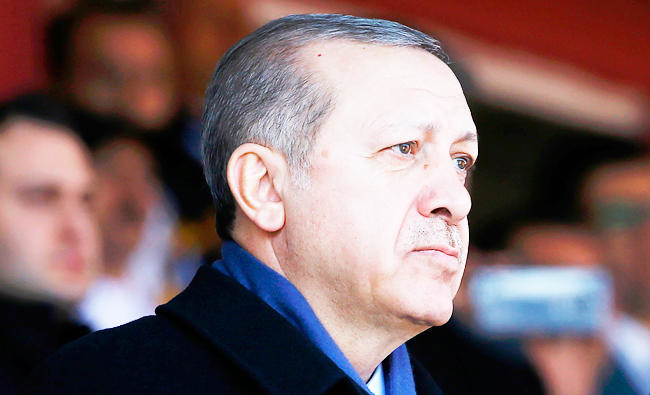
Erdogan expects Parliament to restore capital punishment
Erdogan expects Parliament to restore capital punishment
Latest updates


© 2026 SAUDI RESEARCH & PUBLISHING COMPANY, All Rights Reserved And subject to Terms of Use Agreement.