NEW YORK: For a brief, breathless moment Tuesday night, MSNBC’s Rachel Maddow was at the center of the political media universe.
With a single tweet, she set in motion a social media storm, compelled the White House to undercut her by releasing some of President Donald Trump’s tax return information, was accused of breaking the law, was attacked by Fox News Channel and likely drew one of her biggest audiences.
Less than 90 minutes before her show on Tuesday, Maddow tweeted that “we’ve got Trump’s tax returns ... (Seriously),” advertising her program. That teaser spread like wildfire, and within the hour, MSNBC was running a countdown clock on its screen counting down the minutes to a “Trump Taxes Exclusive.”
It was actually another reporter’s exclusive, and more limited than the tweet made it sound. David Cay Johnston, founder of the web site DCReports.org and a longtime investigative reporter and author of the critical book, “The Making of Donald Trump,” had received a copy of two pages from Trump’s 2005 federal tax return in the mail from an unknown source.
Before Maddow even went on the air, the White House confirmed the documents were real and stole the headline by saying that Trump’s income exceeded $150 million in 2005 and that he paid $38 million in income taxes that year.
“It’s been a hullaballoo around here,” Maddow said as she opened her show. “I’m sorry if I’m a little flustered.”
She spent nearly 20 minutes explaining why many people believe it important that Trump release his tax returns, as presidents have done since Richard Nixon in the 1970s. She pieced together theories on what his returns could show — sources of his income and whether he was beholden to any foreign sources, whether he personally stood to gain from any changes in tax policies that the Trump administration sought to enact.
It felt vaguely like a bait-and-switch and there were some complaints on social media that Maddow was taking too long to get to the point. For long-time watchers of her show, the structure was familiar: Maddow frequently opens with long, detailed stories that follow many paths. This has been a winning formula lately, since Maddow’s ratings in February were the highest in the nine years her show has been on the air.
The exclusive she eventually revealed in the tax returns was little more than the White House had announced before she had gone on the air. She said she hoped it could be a first step toward more information about Trump’s taxes being released.
Trump failed to release his taxes during the campaign, claiming that he was under audit by the Internal Revenue Service and he had been advised against it.
“It ought to give you pause that his explanations have never made any factual sense,” Maddow said.
The White House pronounced Maddow desperate for ratings and said she had violated a law against the unauthorized release or publishing of federal tax returns. Maddow said that First Amendment protections of the press gave her the right to broadcast the information.
She brought Johnston on her show to discuss the return. He speculated that Trump — or someone authorized by the president — could have been a possible source of the leaked document which he said “came in the mail over the transom.”
Maddow wasn’t even off the air — MSNBC kept her on for more than her hour to continue discussing the story — when she came under attack by one of Trump’s most vocal defenders on television: Fox’s Sean Hannity.
Hannity, on his show, called Maddow’s story “a flat-out, pathetic conspiratorial attempt to smear the president.” He said NBC News was part of the “deep state” looking to undermine Trump’s presidency.
“Night after night this false narrative keeps getting reported,” he said. “There’s something really twisted and sick that they call themselves a news organization.”


![]()
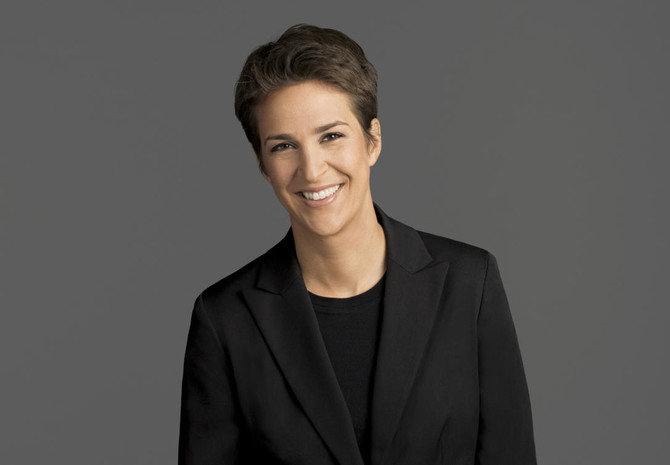
Tax story puts spotlight on MSNBC’s Rachel Maddow
Tax story puts spotlight on MSNBC’s Rachel Maddow
Latest updates


© 2026 SAUDI RESEARCH & PUBLISHING COMPANY, All Rights Reserved And subject to Terms of Use Agreement.