BAGHDAD: The battle to retake west Mosul from the Daesh group has pushed more than 45,000 people to flee, the International Organization for Migration said on Sunday.
Iraqi forces launched a major push to recapture west Mosul from Daesh on February 19, retaking the airport and then pushing up into the city from the south.
The IOM figures indicate the number of people who came from west Mosul to sites for the displaced from February 25, when the arrivals began, through Sunday.
More than 17,000 people arrived from west Mosul on February 28 alone, while over 13,000 came on March 3, according to the IOM.
Daesh overran large areas north and west of Baghdad in 2014, but Iraqi forces backed by US-led air strikes and other support have since regained most of the territory they lost.
Iraqi forces launched the operation to recapture Mosul on October 17, retaking its eastern side in January before setting their sights on the smaller but more densely-populated west.
While the feared exodus of a million or more people from Mosul has yet to materialize, the IOM says that more than 200,000 are currently displaced as a result of the operation, while more fled but later returned to their homes.


![]()
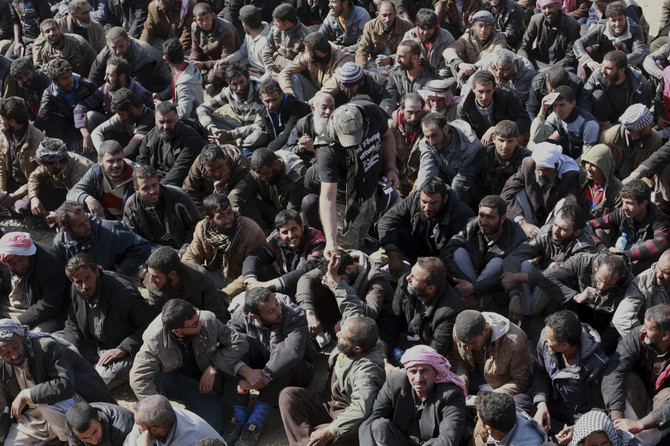
Over 45,000 displaced by west Mosul fighting: IOM
Over 45,000 displaced by west Mosul fighting: IOM


Latest updates


Recommended


© 2026 SAUDI RESEARCH & PUBLISHING COMPANY, All Rights Reserved And subject to Terms of Use Agreement.