Stephen Winkelmann, Lamborghini’s CEO has disclosed that the company has put on hold production of the plug-in Asterion sports coupe in favor of producing the Urus SUV to market by 2018.
The Asterion was displayed at the Paris Auto Show in 2014 featuring a hybrid powertrain producing 910 bhp.
The concept car pairs a 5.2-liter V-10 engine from the Huracan with three electric motors producing an additional 300 bhp.
The Asterion aimed at competing with McLaren P1, La Ferrari and the Porsche 918 Spyder.
The automaker is now playing down the production potential of the Asterion, indicating that it was meant largely as a technology demonstrator rather than production in the near to midterm.
The Urus was first shown in concept form at the Beijing auto show in 2012, which means it will have taken Lamborghini more than six years to get the model into production by the time the first examples start rolling off the line at Sant’Agata Bolognese in Italy.
The SUV, a first for the brand, is expected to be priced from around $230,000 which will in theory have it competing with its Bentley Bentayga sibling.
But the relatively low production volumes and the different positioning of the two are not expected to cause headaches.


Lamborghini shelves Asterion coupe to focus on Urus SUV
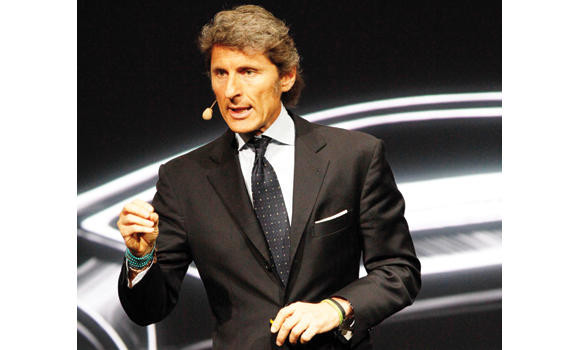
Lamborghini shelves Asterion coupe to focus on Urus SUV

Price cuts drive sales of Saudi-owned electric car
- Lucid delivers more vehicles than expected as it prepares to launch luxury new Gravity SUV
RIYADH: The majority Saudi-owned electric car maker Lucid delivered more vehicles than expected in the past three months as price cuts helped boost demand.
The company delivered 2,394 cars from April to June 30, above analysts’ predictions of 1,940.
Lucid produced 3,838 vehicles in the first six months of 2024 and needs to make more than 5,162 cars by end of the year to meet its annual output forecast of 9,000. It made 8,428 cars in 2023.
“I think at this point everything is shaping for them to achieve that,” said Andres Sheppard, senior equity analyst at Cantor Fitzgerald. Lucid will produce and deliver more cars in the second half of the year because of the usual seasonal effects on the industry, he said.
Demand for electric vehicles has grown more slowly than expected pace in the past year, under pressure from high borrowing costs, economic uncertainties and consumer preference for hybrid alternatives.
Lucid and the market leader Tesla have responded by slashing prices and offering incentives such as cheaper financing options. Lucid, which is 60-per-cent owned by the Public Investment Fund, the Kingdom’s sovereign wealth fund, cut the price of its flagship Air model by 10 percent in February.
Its new Gravity SUV model, a rival for Tesla's Model X, goes into production this year and will cost about $80,000.