- Syria removed from US list that prohibits arms exports, clearing the way for possible legal sales of American weapons
- Experts say the change might enhance US-Syria strategic ties, particularly counterterrorism and intelligence-sharing efforts against Daesh
LONDON: For more than four decades, Syria was on a short US list of countries barred from buying American weapons. As of this week it is free to do so, at least on paper.
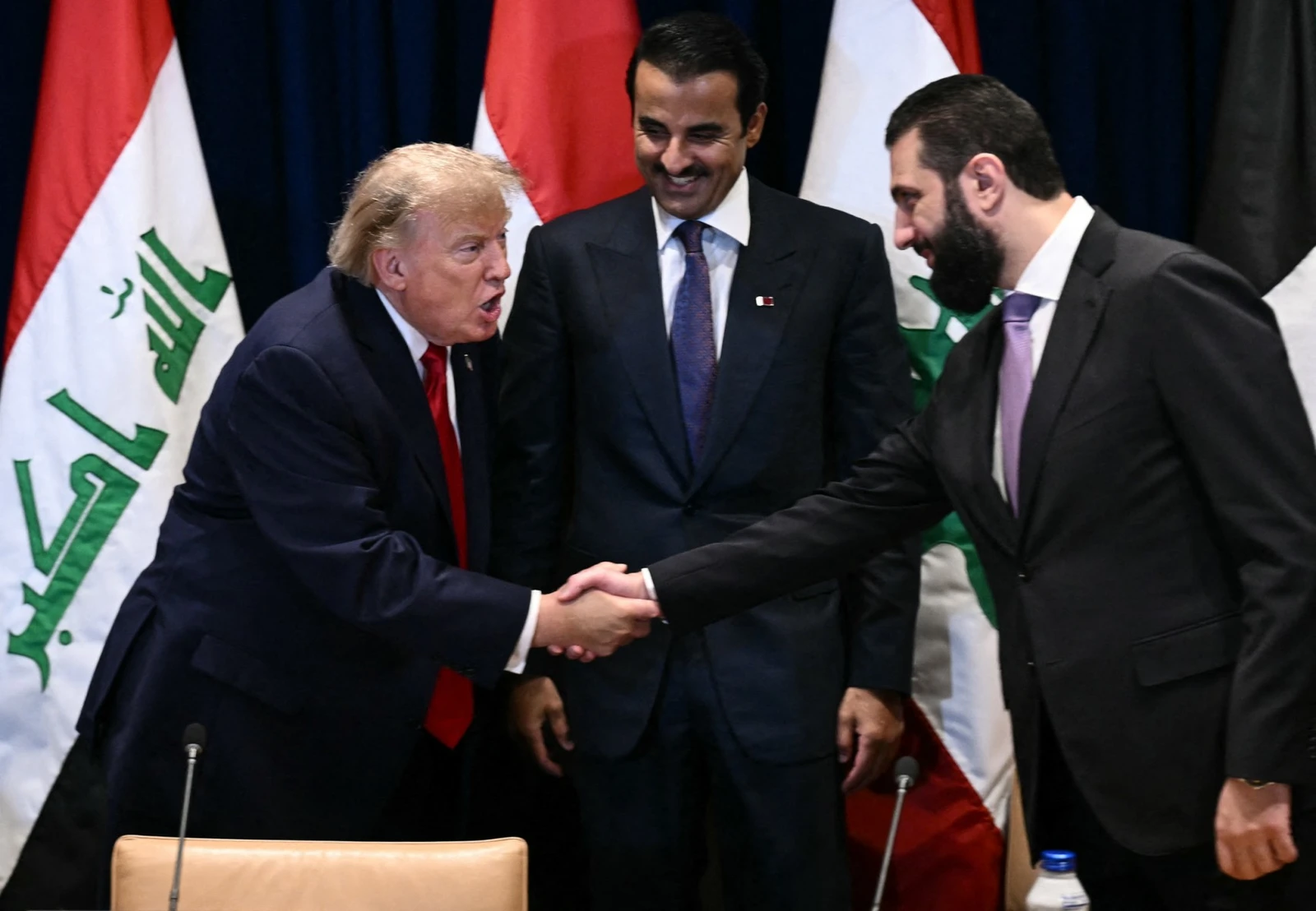
As US troops were completing their withdrawal from Iraq, the Trump administration announced on Wednesday that it was removing Syria from Washington’s list of countries subject to a comprehensive denial of licenses for US arms exports.
This opens up a path for American companies to seek approval to sell so-called defense articles and services to Damascus. However, major or advanced weapons sales remain unlikely in the short term, experts say.
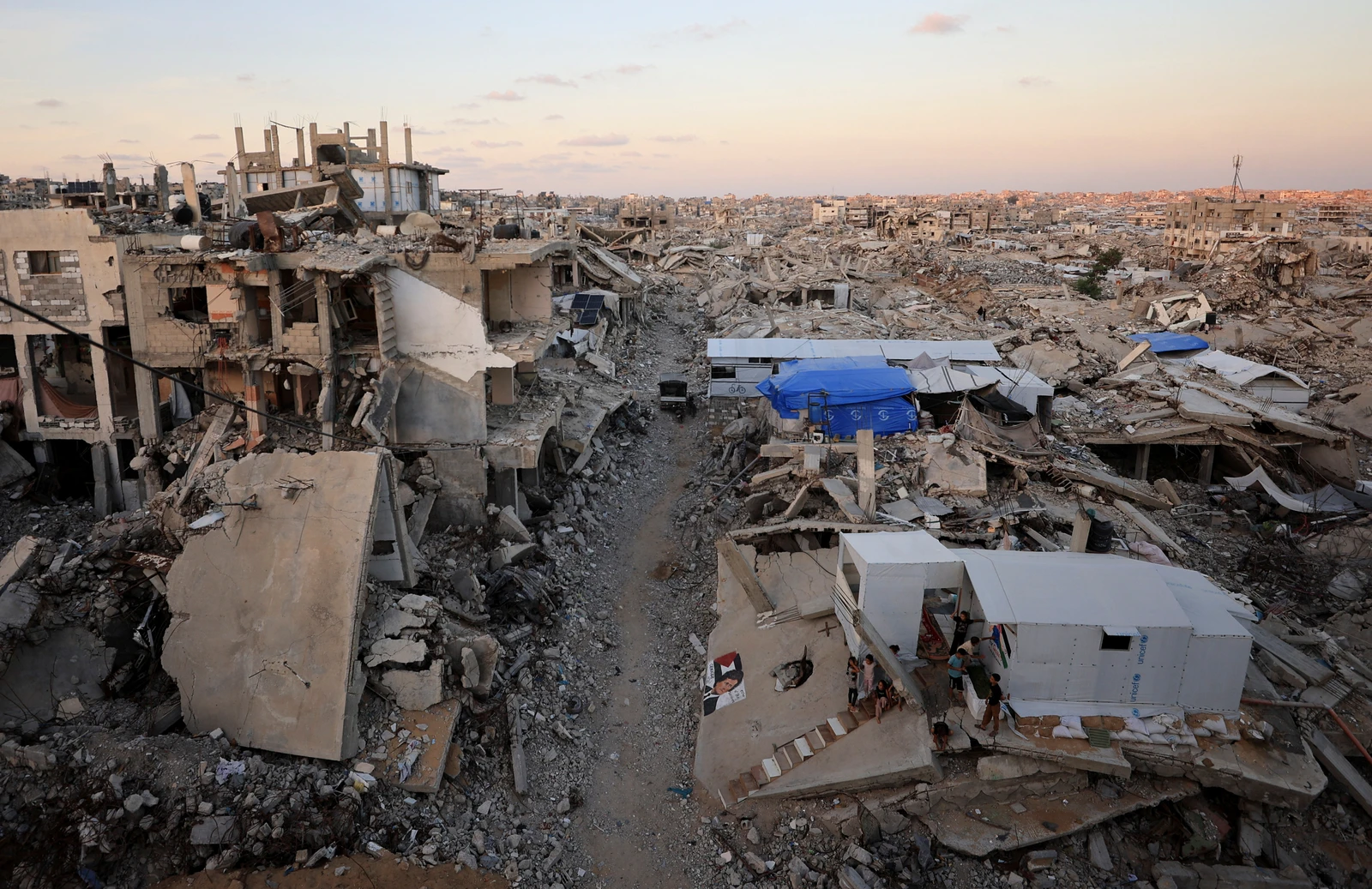
The policy shift is the latest in a months-long easing of US sanctions on Syria’s new government. It comes as the country seeks to rebuild armed forces devastated by years of civil war, and Israeli strikes that have reportedly destroyed more than 80 percent of the arsenal of the former president, Bashar Assad, whose regime was toppled in December 2024.
“I think this decision will definitely open the door and provide greater legal avenues for businesses interested in selling or exporting US defense articles to Syria — and there are several,” said Sameer Saboungi, deputy director and general counsel of the US-Syria Business Council.
Based on discussions he has had with defense companies, he said he expected “significant interest” in Syria as companies explored newly available business opportunities. Still, he added, any initial sales would probably be limited.
“The defense articles sold to Syria will likely be relatively light and, in and of themselves, will not fully, or even nearly, restore Syria’s military arsenal or capabilities,” Saboungi told Arab News.
Even so, such transactions could provide Syria’s Ministry of Defense with useful equipment, while serving also to strengthen strategic and commercial ties between Washington and Damascus, he added.
The change also reflects Washington’s evolving security calculations in the region. With US forces leaving Iraq, and Syria joining the recent meeting of the Global Coalition against Daesh in Rome, Syrian authorities could be expected to assume a larger role in preventing a resurgence of Daesh, Saboungi said.
That could make a functioning Syrian security apparatus more valuable to the US, particularly for counterterrorism operations, intelligence sharing, and efforts to curb activities by Iranian-backed militias.
“This in turn suggests that the US has an interest in seeing Syria’s security and military apparatus restored, and Syrian Democratic Forces elements integrated into it, to the extent necessary for Syria to effectively prevent a (Daesh) resurgence and Iranian proxy activities, while not posing a threat to neighboring countries,” Saboungi said.
For now, however, the decision is likely to matter more as a political signal than as an immediate opening for significant arms transfers.
“The fact that the Syrian government can now legally purchase US weapons is important, symbolically,” said Joshua Landis, director of the Center for Middle East Studies at the University of Oklahoma.
However, it remains doubtful that any US president would approve sales of advanced weapons to Syria while the country remains formally at war with Israel, he added.
“Israel would object to such a sale and ask the president not to allow it,” he told Arab News. Major arms deals would also face congressional scrutiny.
“The executive branch must notify lawmakers before large arms sales,” Landis said. “Congress then gets 30 days to review the sale and possibly veto it, but this almost never happens.”
The strong stance in support of Israel within Congress means approval of significant arms transfers to Syria would be difficult to achieve without a broader political settlement, he added.
“Congress is fiercely pro-Israel,” Landis said. “No president will endanger Israel by selling arms to Syria so long as there is not a firm peace agreement signed between the two countries.”
Syria and Israel remain technically at war, their dispute centering on the Israeli-occupied Golan Heights and other captured territory.
Nanar Hawach, an expert on Syria, said the practical limits on any rebuilding of the country’s military might be shaped as much by Israel’s willingness to attack as by any US licensing policy.
“Rebuilding Syria’s arsenal is likely to stay modest as long as Israel remains willing to strike any weapons in Syria that it considers dangerous,” he told Arab News.
The larger payoff for Damascus might lie in collaboration with Washington, rather than weapons procurement, he added.
“The bigger benefit for Damascus could come from closer cooperation with the US against (Daesh) and the smuggling of drugs and weapons, which would make it harder for Israel to persuade Washington that the new authorities are a threat,” Hawach said.
The prospect of US arms supplies was also unlikely to be a central issue in any future agreement between Syria and Israel, he added. More consequential questions included the extent to which Israeli forces would withdraw, and who would control southern Syria.
“Israel will probably point to US arms to press for limits on what Syria’s army can own, and may come to see a Syrian army supplied under US oversight as less worrying than one armed by Turkiye,” Hawach said.
The US regulatory change formalizes a decision approved by the secretary of state on Aug. 19, 2026. Under the new defense trade policy, the State Department can review proposed exports of defense articles and transfers of defense services to Syria on a case-by-case basis.
A rule change published in the Federal Register this week amended the International Traffic in Arms Regulations, or ITAR, by removing Syria from Section 126.1, which covers prohibited exports, imports and sales involving specified countries.
The amendment followed several legal and policy steps, including the rescission on Aug. 24 of Syria’s designation as a state sponsor of terrorism; a waiver of restrictions on exports to Syria of items on the US Munitions List; and an Aug. 24 waiver of restrictions imposed under the Chemical and Biological Weapons Control and Warfare Elimination Act of 1991.
The change does not automatically mean that weapons can now be sold to Syria. Companies must still obtain export licenses, and proposed transactions remain subject to review under ITAR and by the Department of Commerce’s Bureau of Industry and Security.
“The sale of US arms and defense articles to Syria still requires an export license and ITAR and BIS review,” Saboungi said.
“ITAR will now be reviewing such licenses on a case-by-case basis, which is much more favorable than a policy of denial.”