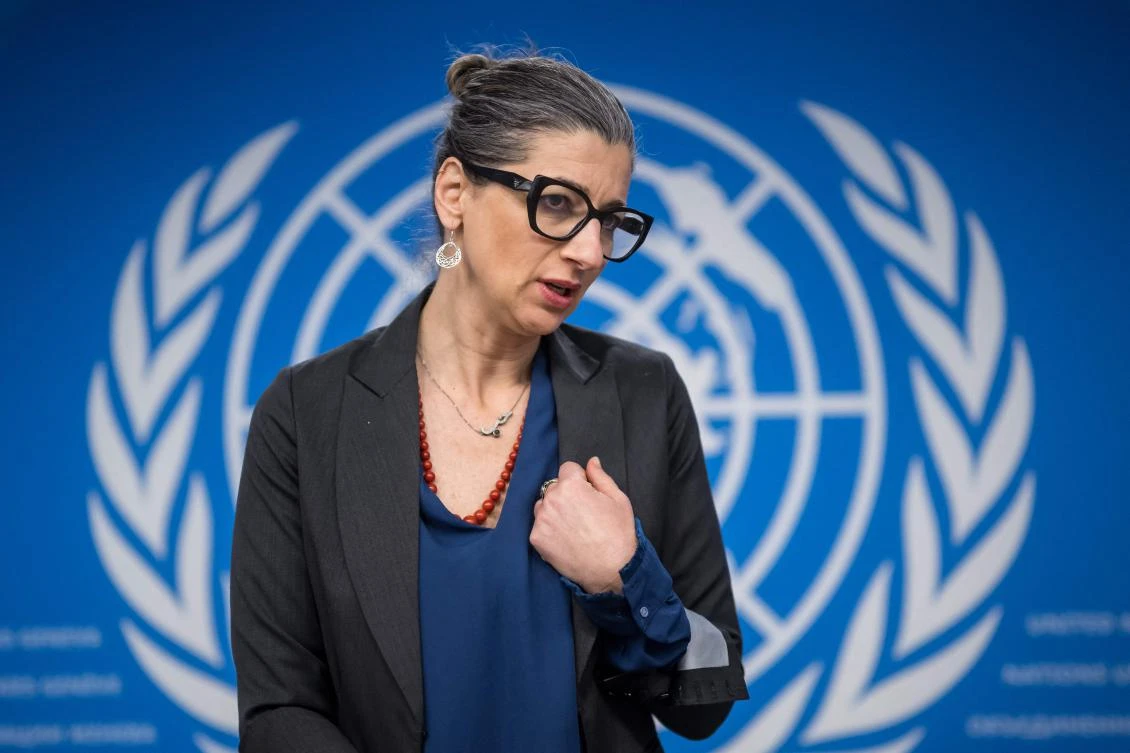
LONDON: Britain’s proposed ban on trade with illegal Israeli settlements is an overdue initial step that should be judged by its practical impact, UN Special Rapporteur Francesca Albanese has said.
She told The Guardian that a “ban on settlement goods was a change in UK government stance and absolutely important,” and that she would “not join those dismissing it as theatre before the details had been announced.”
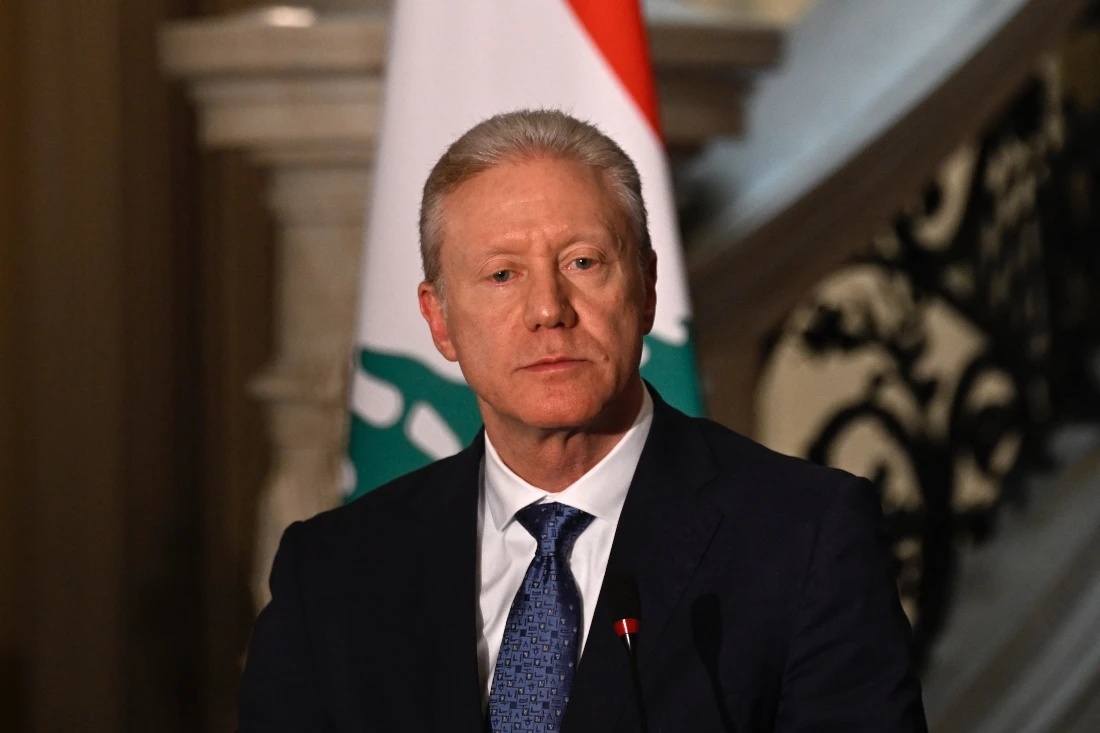
It came as UK Foreign Secretary Ed Miliband vowed to act more decisively against Israeli settlements and the continued restriction of aid flow into Gaza.
Palestinian groups in the UK are awaiting the finer details of Miliband’s policy, set to be announced on Tuesday.
However, they are expecting one of the most fundamental shifts in the British position toward the Israel-Palestine question since David Lammy, a previous foreign secretary, withdrew major arms export licenses to Israel in 2024.
A settlement trade ban would have to be part of “a true paradigm shift to Israel-Palestine that ultimately seeks to implement the International Court of Justice advisory opinion in 2024,” Albanese said. That opinion found that Israel’s occupation is “unlawful in its entirety.”
As a result, “all states carry an obligation … not to recognize the situation as legal, and not render aid and assistance in maintaining it,” Albanese said.
She warned that the UK’s policy shift must not confine itself to a limited ban on goods — mainly agricultural products and cosmetics — because this would represent just a “fraction of what sustains the occupation, and a fraction that Israel can absorb without difficulty.”
The government should target trade in services, intelligence cooperation, arms licensing, and unexamined flights over Gaza from the Royal Air Force’s Akrotiri airbase in Cyprus.
If these measures were left on the table, the proposed shift would “over time come to be seen as not amounting to a reckoning, but a press release,” Albanese said.
“Because the 2024 ICJ advisory opinion declares the entire Israeli presence in the occupied territories as unlawful, third states’ obligations ‘not to render aid or assistance’ extends to everything that sustains that unlawful presence as a whole.”
Albanese also called on the UK government to take measures against the planned E1 settlement which, if completed, would sever East Jerusalem from the rest of the West Bank.
She highlighted comments by Israeli Finance Minister Bezalel Smotrich that E1 is designed to “bury the idea of a Palestinian state.”
Britain must also join South Africa before the ICJ and support Nicaragua when the court hears preliminary objections from Germany.
Nicaragua had filed claims in the ICJ alleging that Berlin’s continued arms sales to Israel amount to complicity in genocide.
Albanese said: “Britain is not a party to that case. It can still choose which side of the argument it stands on: whether it treats participation in international accountability mechanisms as a threat to an alliance, or recognizes that an alliance built on anything other than principle and the rule of law is not an alliance at all. It is an arrangement of convenience, honored only until convenience changes.”
UK settlement trade ban must become ‘true paradigm shift’: UN expert