DUBA: The United Arab Emirates is building alternative routes for its energy exports and trade to ensure they are not "held hostage" by the ongoing war between the US and Iran, UAE presidential adviser Anwar Gargash said on Monday.
The conflict has had a significant impact on Gulf Arab states, including the UAE, after Tehran fired missiles at the country and attacked its oil tankers in the Strait of Hormuz.
"Our energy exports will not be held hostage, nor will our trade and economic activity," Gargash told the Hili Forum in Abu Dhabi.
The UAE has been expanding port capacity along its eastern coast, as well as developing pipelines, railways and trade routes for alternative corridors, he said.
While acknowledging that relations with Iran could eventually recover, Gargash warned that rebuilding trust after the attacks could take decades.
He also criticised Gulf Arab states for failing to mount a coordinated response to Iran, saying they had been unable to translate shared concerns into a unified strategy.
US ALLIANCE NOT ENOUGH
Qatar's foreign ministry spokesperson echoed similar concerns at the policymakers' forum, saying Gulf Arab countries should not rely solely on their strategic partnership with the US for security.
"We need to realise in the Gulf that having international forces in the region, having a strategic alliance with the US is very important but is not enough," Majed al-Ansari said.
"Self-sufficiency when it comes to security is the only way forward."
Gargash argued that while the partnership with the U.S. is essential, the six-month conflict has exposed the importance of national capabilities.
"Our security is our first priority. When we depend entirely on others, we cannot always assume it will be their priority," he said.
HORMUZ REMAINS A STICKING POINT
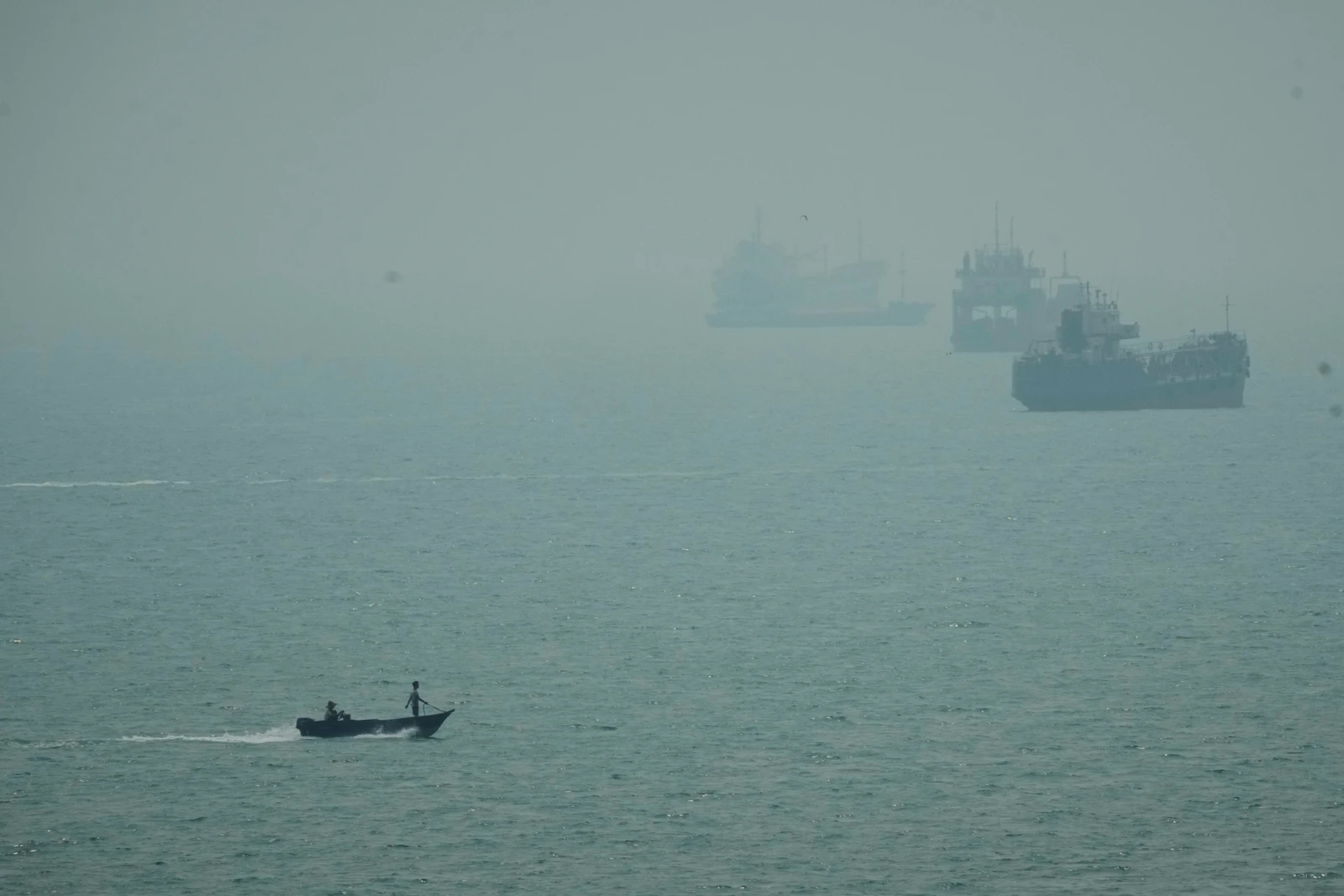
Iran followed through on its threat to close the Strait of Hormuz, once a conduit for a fifth of global energy supplies. The disruption sent energy prices soaring and sparked a global economic crisis.
The waterway's status remains a central obstacle in negotiations between Washington and Tehran, mediated by Qatar and Pakistan, with Iran claiming the strait belongs to Iran and Oman — a position Gulf states broadly reject.
"Freedom of navigation is not a concession to be granted, nor a principle to be renegotiated under pressure," Gargash said, adding that any long-term resolution must include credible guarantees against further Iranian attacks on Gulf Arab states.
The conflict, sparked by US and Israeli strikes on Iran on February 28, remains deadlocked. A preliminary ceasefire reached in June has unravelled, and little progress has been made in efforts to revive the peace process.