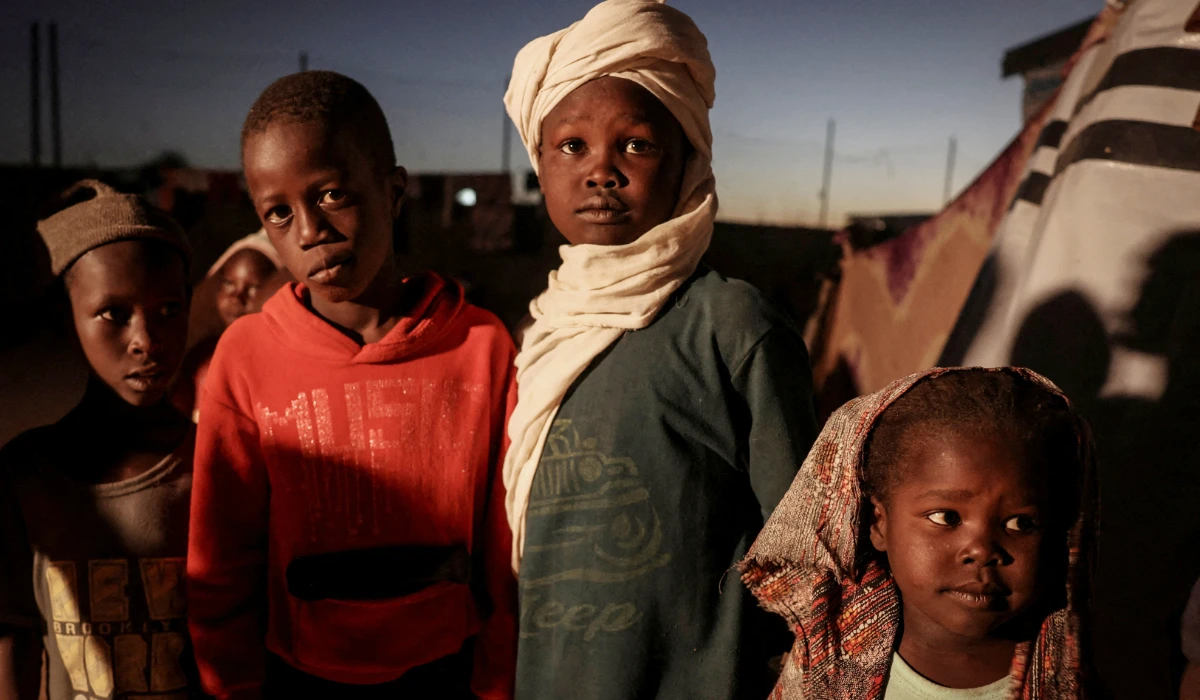
- More than 60,000 internally displaced Syrians have received support to return home since January 2022, OCHA says
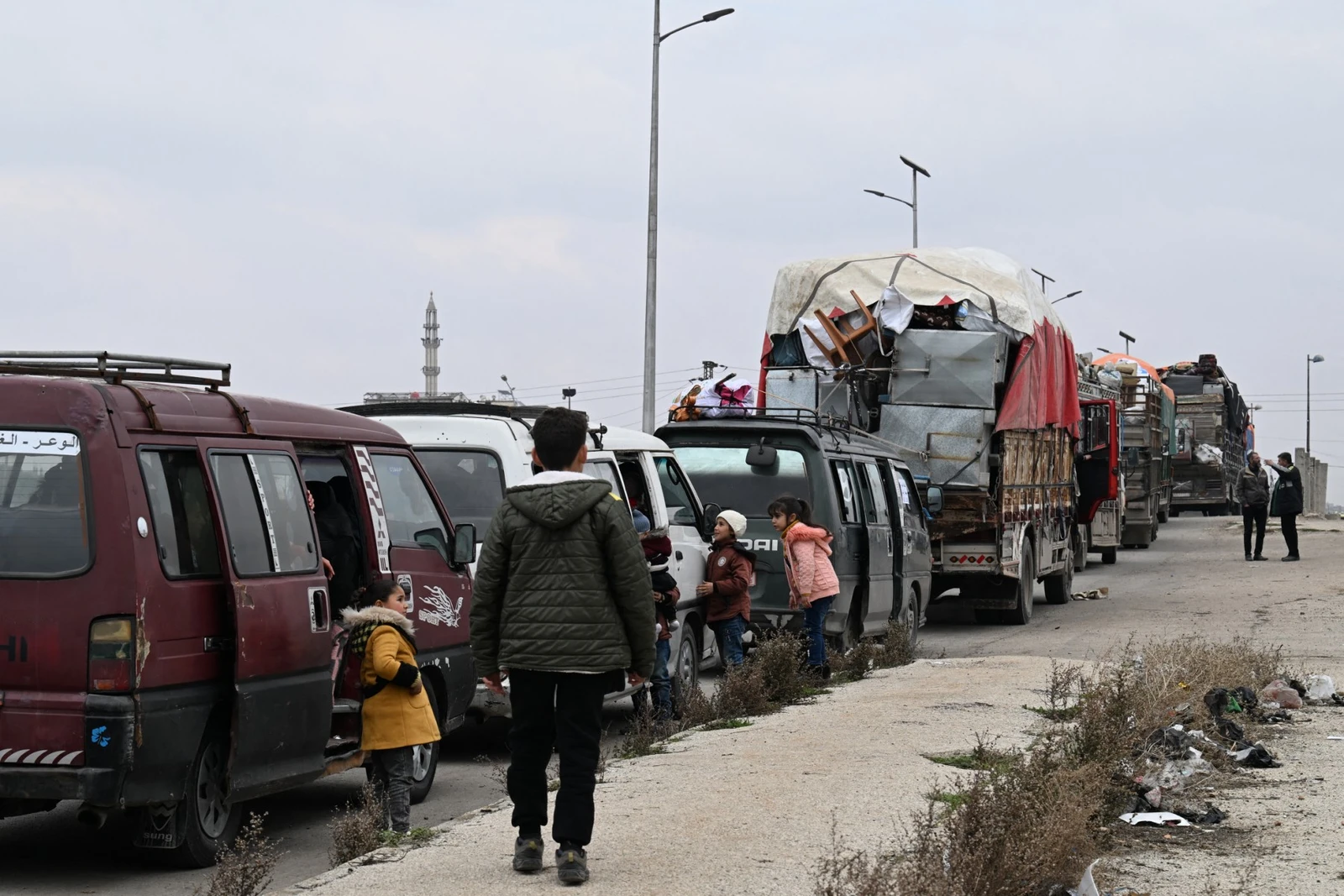
- A convoy carrying 263 families recently departed northern camps for home areas in southern Idlib, Hama, Aleppo, and Damascus
LONDON: More than 60,000 internally displaced people in Syria have received support to return from displacement sites since January, the UN humanitarian office said on Sunday, as authorities organized another convoy from northern camps to home areas across several provinces.
Departures accelerated in July and August, when 38,836 people left displacement sites, including 19,600 assisted through facilitated-return mechanisms, the UN Office for the Coordination of Humanitarian Affairs said in a recent update.
During the two-month period, 130 displacement sites were inactivated, according to OCHA.
The returns mark continued progress under Syria’s “No Camps Vision,” OCHA said, but the agency warned that the movement of displaced people is also placing growing strain on communities receiving them.
On Sunday, a convoy carrying 263 families departed camps in northern Syria for their home areas in southern Idlib and parts of Hama, Aleppo and Damascus provinces, the state-run SANA news agency reported.
Idlib governorate and its Social Affairs and Labor Directorate coordinated the operation with support from the UN refugee agency, the Muzn Organization, the Syrian Arab Red Crescent and the Emergency and Disaster Management Directorate.
Most families were returning to towns and villages in southern Idlib, said Mohammad Bakir, director of the northern district office of social affairs and labor in Idlib. He said the convoy was organized under Presidential Decree No. 59.
The departures followed requests from families seeking to return voluntarily, said Manaf Hammam, an official coordinating camps in Aleppo and Idlib. Authorities provided air-conditioned buses for passengers and trucks to transport their belongings, he said.
Registration for future returns remains open, Hammam said, and additional convoys are planned.
Several returnees told SANA they were relieved to return after years of displacement, though many face villages with extensive damage and limited basic services.
Idlib authorities have organized several return convoys since the decree was issued, transporting thousands of families from camps in Idlib and Aleppo to their home areas.
Still, OCHA said humanitarian needs are increasingly shifting from camps to return communities, where inadequate housing, damaged infrastructure, weak services and limited livelihood opportunities threaten sustainable reintegration and raise the risk of renewed displacement.
Restoring infrastructure and public services is critical to creating conditions for return and recovery, OCHA said. Efforts have included rehabilitating bakeries, water and electricity networks, hospitals, schools, roads, bridges and housing in communities affected by returns.
Raqqa province has shown some of the strongest signs of recovery in northeast Syria, including improvements in water, electricity and protection conditions, OCHA said. But persistent economic vulnerability remains a major barrier to durable recovery and long-term solutions for returnees.
The civil war in Syria, which began in March 2011, displaced more than 11 million people, including more than 7.4 million internally, according to UN figures. Since the overthrow of longtime President Bashar Assad in December 2024, more than 1.87 million Syrians who had fled abroad or been displaced within the country have returned to their areas of origin.