- Melhem Khalaf tells Arab News any agreement to bring foreign troops into Lebanon outside of a UN mandate would require parliamentary approval
- He questions whether a multinational force would have the staying power of the UN Interim Force in Lebanon, as nations might withdraw troops if soldiers are attacked
BEIRUT: Replacing the UN’s peacekeeping mission in southern Lebanon with a multinational force could leave the country vulnerable to renewed instability and a repeat of the experience of 1982, when the Israeli army launched a full-scale invasion of southern Lebanon, an independent Lebanese MP warned.
Melhem Khalaf told Arab News that any agreement to bring foreign troops into Lebanon outside of a UN mandate would require approval by the country’s parliament, under Article 52 of the Lebanese Constitution.
He also questioned whether a multinational force would have the same staying power as the UN Interim Force in Lebanon, warning that governments might withdraw troops if their soldiers came under attack.
“If UNIFIL is replaced by a multinational force, Lebanon risks a repeat of 1982,” Khalaf said, arguing that participating governments could come under domestic pressure to recall forces if they suffered casualties.
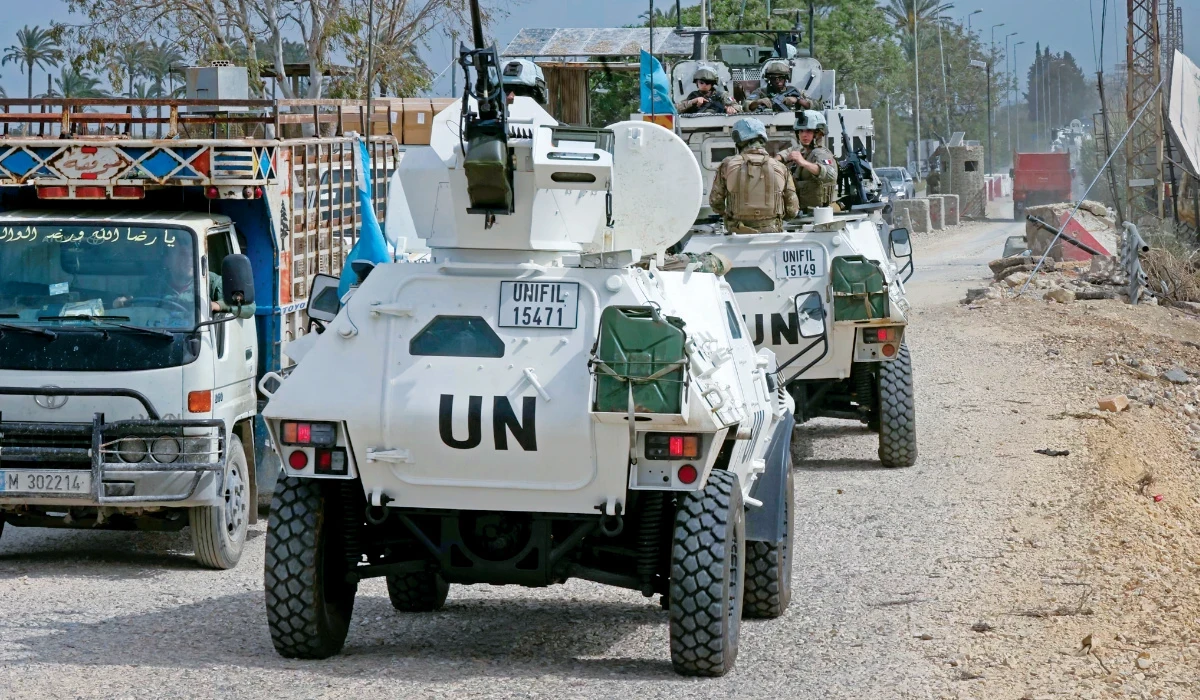
His comments come as Lebanese authorities seek to maintain an international presence in the south of the country after UNIFIL’s mandate expires at the end of this year. The force was established by the UN in 1978 and the Security Council agreed last year to extend its mission for the final time until Dec. 31, 2026, followed by an orderly withdrawal next year.
Security Council Resolution 2790, which was adopted unanimously in August 2025, calls for UNIFIL to begin a phased withdrawal, and asks the UN secretary-general to explore options for implementing Resolution 1701 after the force departs.
Resolution 1701 was adopted by the council in 2006 with the aim of resolving the conflict that year between Israel and Hezbollah. It calls for an end to hostilities, the withdrawal of Israeli forces from Lebanon, the withdrawal of Hezbollah and other forces from parts of the country south of the Litani River, and the disarmament of Hezbollah and other armed groups.
The Lebanese prime minister, Nawaf Salam, called at the UN General Assembly in New York this week for a continuing international presence to prevent a security vacuum. He said Beirut wanted any future arrangement to retain international monitoring, reporting and communication functions, under a UN Security Council mandate.
Khalaf, who is a member of the Forces of Change parliamentary bloc in the Lebanese parliament, said concerns over the cost of UNIFIL, particularly in Washington, should not be used to justify its replacement, arguing that any alternative international force would also require funding.
He said the withdrawal of UN peacekeepers amid the present circumstances would itself be a source of instability, particularly when an agreement with Israel would require a stable environment for implementation.
“Without a UN force, Lebanon would be left to face Israel directly, with risks that could extend to changes in Lebanon’s borders,” Khalaf warned.
He said the question of whether Lebanon should negotiate with Israel directly or through intermediaries was secondary to the need to address threats to civilians.
“What matters is ending the attacks and the suffering of the Lebanese people,” he added.
Khalaf also suggested the end of UNIFIL could have implications that extended far beyond Lebanon.
“If the UN abandons its mission in Lebanon, it may mark the fall of the United Nations’ role in the world,” he said.
He added that Hezbollah and the Lebanese Forces were the only two political groups in the country that had declined to sign a letter by MPs calling for UNIFIL to be maintained, despite follow-up requests.