- 970,000 people have returned to their communities in southern Lebanon but many find homes damaged, livelihoods difficult to resume and essential services disrupted
- Israeli demolitions, fires and strikes continue across the south; returning farmers forced to abandon the olive harvest
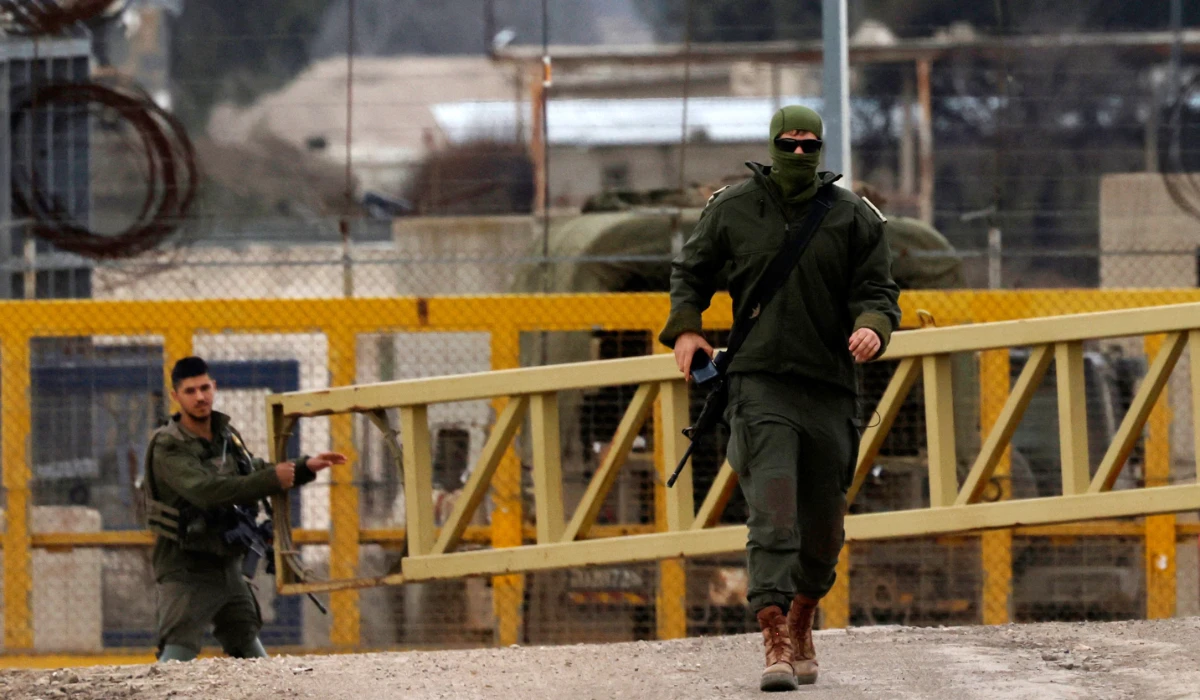
NEW YORK CITY: The Israeli military’s ongoing presence and activities in southern Lebanon are preventing displaced families from returning home safely and rebuilding their lives, the UN said on Friday, as it warned that the country’s humanitarian crisis was “far from over.”
While nearly 970,000 people have returned to their communities in southern areas, more than 300,000 remained internally displaced as of Wednesday, UN spokesperson Stephane Dujarric said, citing data from the Office for the Coordination of Humanitarian Affairs.
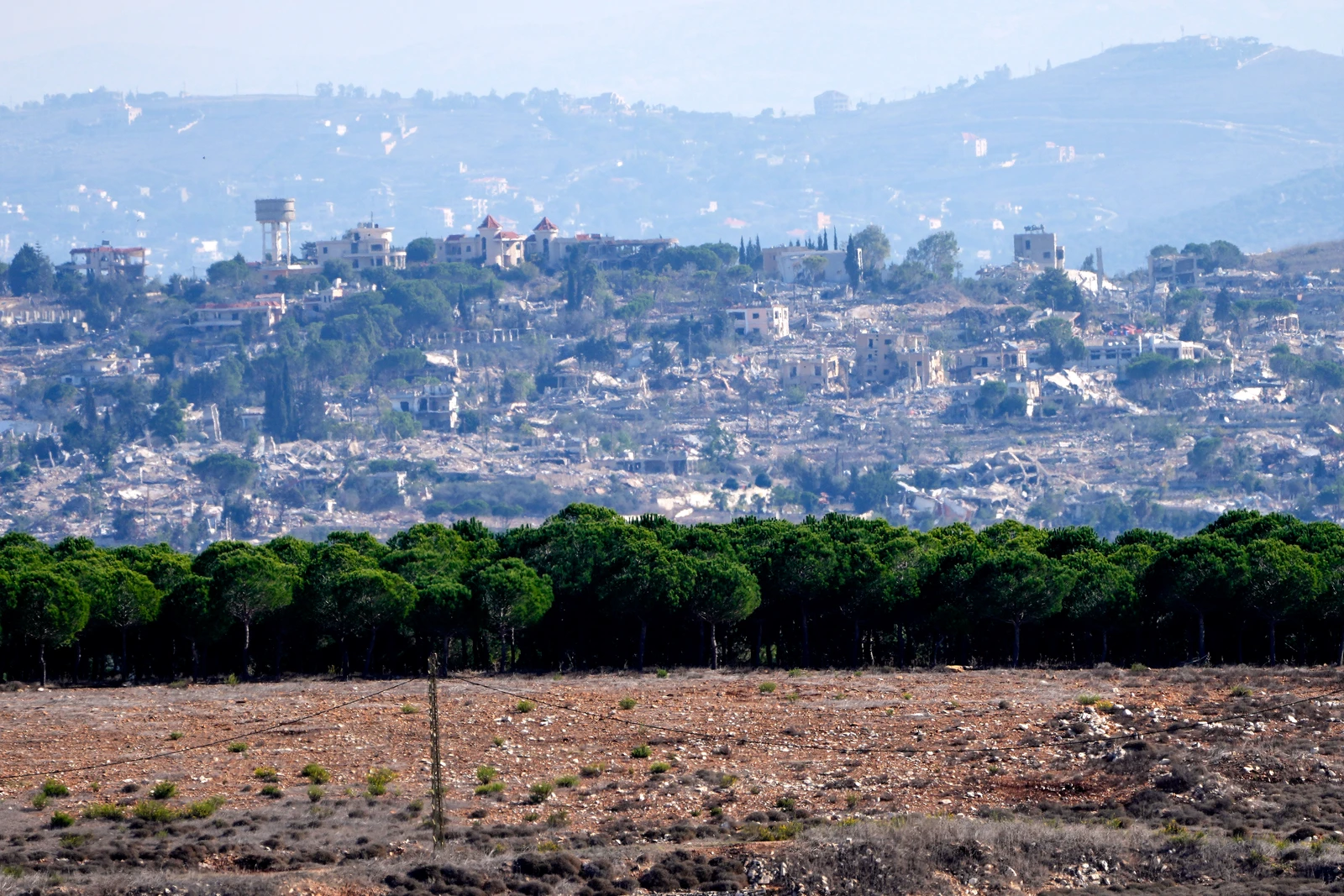
More Israeli demolitions, fires and strikes were reported across southern Lebanon this week, he added, both inside the so-called “combat zone” declared by Israel, from which residents were ordered to evacuate, and in communities outside of it.
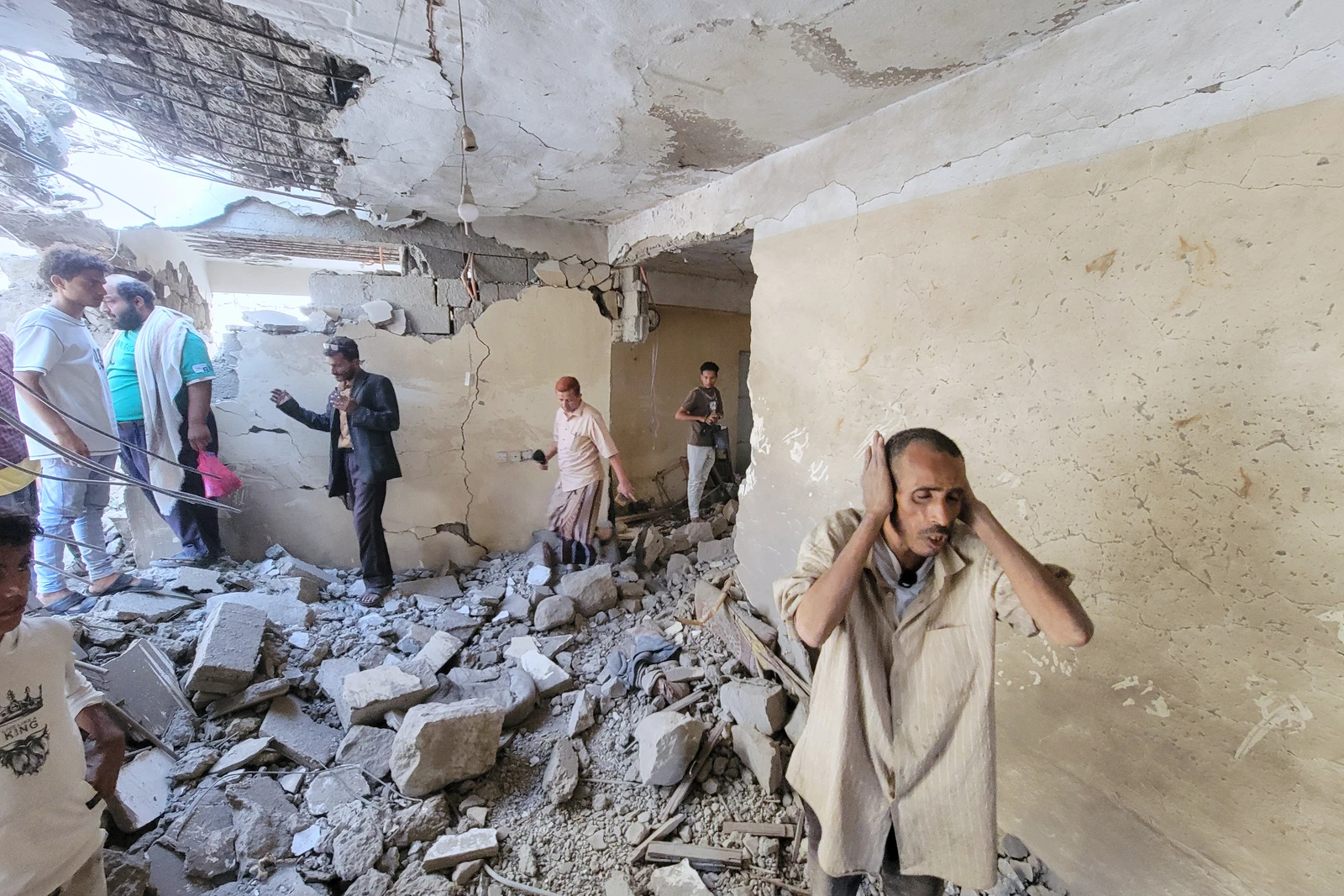
Many of those who have gone home returned to find their houses damaged, livelihoods difficult to resume and essential services disrupted, Dujarric said.
In Nabatieh governorate, the olive harvest has been disrupted by insecurity and restrictions on access to crops, and farmers in some villages were able to collect fruit for only two days before the Israeli army forced them to stop.
The Lebanon Humanitarian Fund has allocated $91 million to support displaced persons, returnees, refugees and others in communities affected by the escalation this year.
“Without safety, access to essential services and opportunities to earn a living, families cannot rebuild their lives,” Dujarric said, as he renewed the UN’s call for civilians and civilian infrastructure to be protected, unimpeded humanitarian access, and for all parties to facilitate “the safe and dignified return of people to their homes.”
The present crisis began on March 2 when Hezbollah launched strikes against Israel following the joint US-Israeli attacks on Iran that began on Feb. 28. Israel responded with airstrikes across Lebanon and ground operations in southern Lebanon from March 16, eventually involving five divisions of troops.
Israel and Lebanon agreed on April 16 to a 10-day ceasefire, which was extended more than once, but Israeli operations in the south have continued regardless.
At the height of the fighting, more than 1 million people were forced from their homes. The Israeli defense minister, Israel Katz, wrote on Oct. 20 that Israel had established a 700 sq. km security zone inside Lebanon, stretching from the western coast to the southern slopes of Mount Hermon. He said Israel would continue to hold this territory until Hezbollah was disarmed.