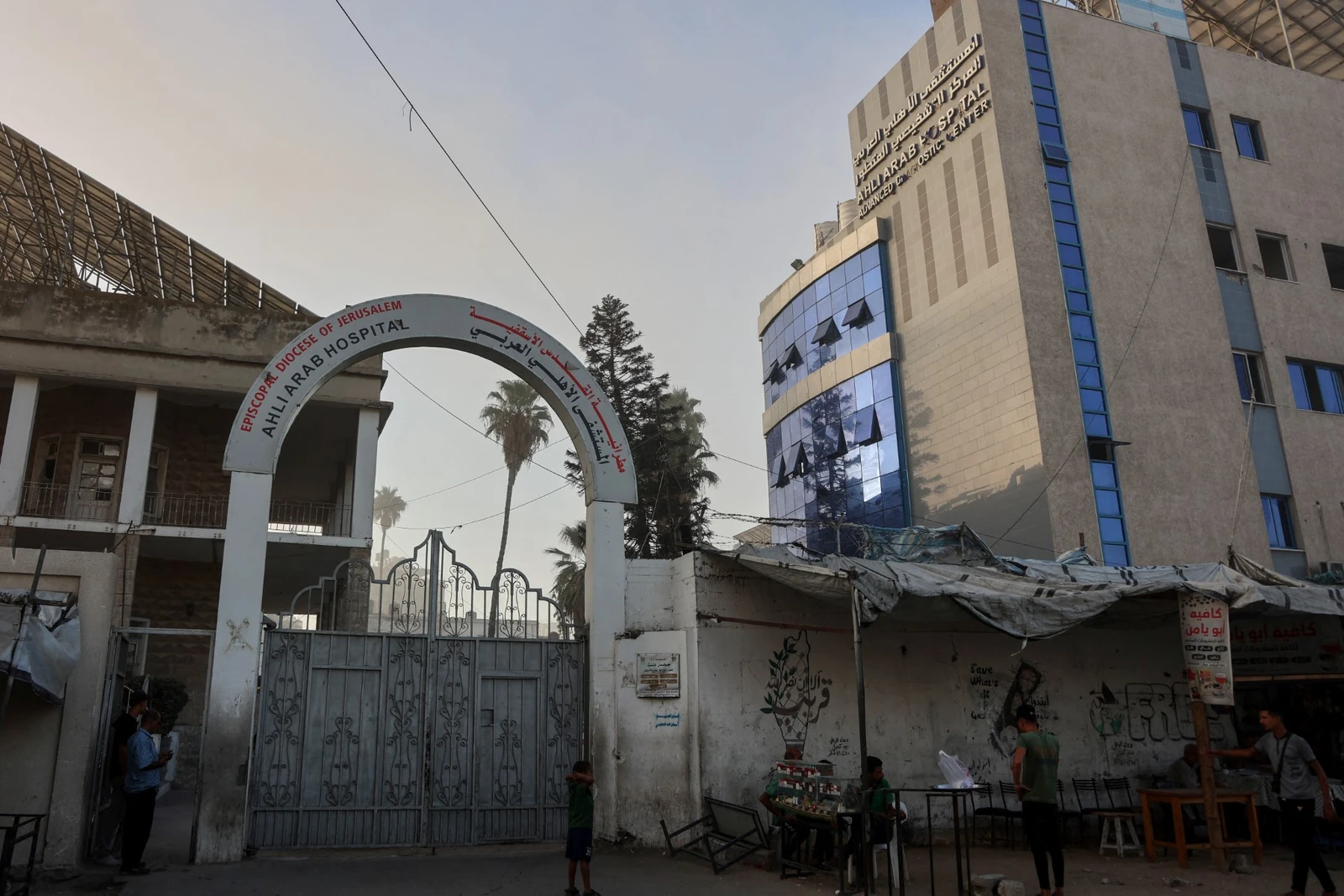
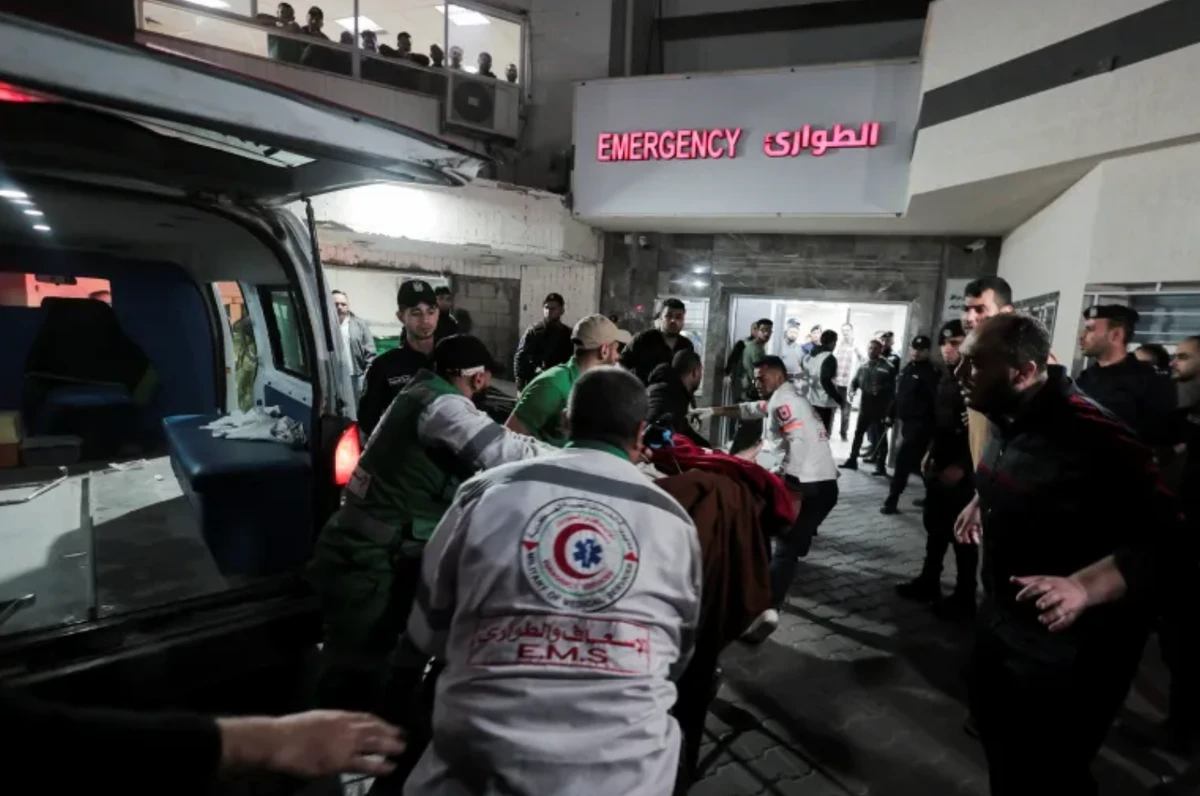
LONDON: Gaza City’s Al-Ahli Arab Hospital suspended key medical services on Wednesday after its main power generator failed amid shortages of fuel, lubricating oil and spare parts, medical sources said.
The breakdown forced the hospital to halt CT scans and X-ray services, including operations at northern Gaza’s only CT scanner, the Palestinian official news agency WAFA reported.
Medical staff also reduced other services and postponed several surgeries.
The generator had operated for about 1,200 hours without an oil change before it failed, according to Arab media reports. The outage has left the hospital struggling to serve about 1,000 patients a day while carrying out dozens of surgeries daily.
Al-Ahli, also known as the Baptist hospital, is one of the main medical facilities in eastern Gaza City. It provides emergency and urgent maternity care around the clock, as well as surgical treatment, physiotherapy, wound and burn care, outpatient services, laboratory testing and diagnostic imaging.
The generator failure is only part of the broader strain on Gaza’s health system, where hospitals have faced persistent shortages of fuel, lubricating oil and spare parts. Hospital officials attributed the lack of supplies to Israeli restrictions on their entry and limits on the quantities delivered to medical facilities.
The damage to Gaza’s health infrastructure has compounded the crisis. Medecins Sans Frontieres has said about 90 percent of the enclave’s health infrastructure has been destroyed or damaged since Oct. 7, 2023, when Israel launched its military campaign after a Hamas-led attack.
In August 2025, a group of UN experts accused the Israeli military of committing “medicide” in Gaza by deliberately attacking and starving healthcare workers, paramedics and hospitals.
About 20,000 patients are awaiting medical evacuation, while an estimated 43,000 people require long-term rehabilitation for life-changing injuries sustained during almost three years of war, according to the World Health Organization.
More than 6,600 amputees need prosthetic or orthotic devices and sustained rehabilitation services, the WHO said on Sept. 7. Only 12 percent of people who have lost limbs since October 2023 have received prosthetic devices.
Gaza’s Al-Ahli Arab hospital suspends key services after generator failure