There has been mixed reaction to the attempt by a Saudi woman to drive home across the border from the UAE, with some urging a less confrontational manner to highlight the issue.
Lojane Al-Hadhlul has a driver's license issued in the UAE. Saudi border control officers stopped her from entering Saudi territory in her car on the Saudi-UAE border on Monday.
Al-Hadhlul had posted photographs and video clips of her driving on her Twitter account. In one of her tweets, she stated: “Now I'm 10 minutes drive from the Saudi border. While I have a Saudi passport, I carry a UAE driver's license that is valid in all GCC countries.”
Chief of the Hadhlul clan, Abdul Rahman Al-Hadhlul, deputy chairman of the Riyadh Charity Society for the Memorization of the Holy Qur'an, said the women's driving campaign is part of a Western anti-Saudi initiative.
“Any conservative society committed to its values will stand up against these Western attacks with the help of its wise sons especially when the campaigns violate the country's rules,” he said.
He said he supports counseling for women driving activists so that they change their attitude.
Their current behavior undermines the unity of the country and incites sedition, he said.
Several women have taken to Twitter to express their views on the incident but appear divided on the manner in which Al-Hadhlul raised the issue. Many support the idea of women driving.
Hana Al-Amri said Al-Hadhlul was making a bold attempt to highlight the issue, but said it would not work in the Kingdom where only the government could change the status quo.
Alya Saeeda, a university student, said: “Society's disapproval in the Kingdom is rooted in the fear of the undesirable consequences of having women driving freely.”
She said Saudi society must be prepared for such a change, and that the negative reaction was natural because this is how people react to change. She said women should drive because they have different roles to play compared to the past.
Salimah Ali said change cannot take place overnight and called on women not to adopt a confrontational approach. They should attempt to work with the authorities to bring about change.
The Interior Ministry has commented several times on the ban order issued in 1990, which clearly states that women are not permitted to drive in the Kingdom.


![]()
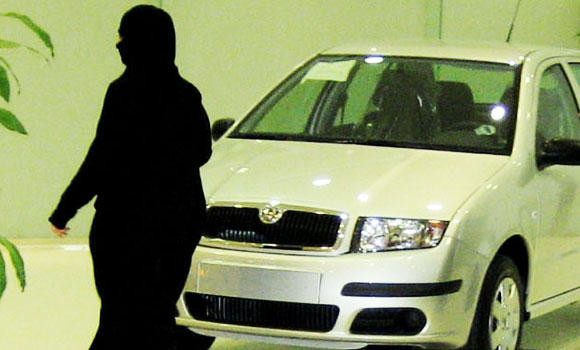
Women driving takes a new turn: Activists advised to undergo counseling
Women driving takes a new turn: Activists advised to undergo counseling
Latest updates


Recommended


© 2026 SAUDI RESEARCH & PUBLISHING COMPANY, All Rights Reserved And subject to Terms of Use Agreement.