WASHINGTON: Climate change could undermine efforts to defeat extreme poverty around the globe, the World Bank warned.
In a new report on the impact of global warming, the bank said sharp temperature rises would cut deeply into crop yields and water supplies in many areas and possibly set back efforts to bring populations out of poverty.
“Climate change poses a substantial and escalating risk to development progress that could undermine global efforts to eliminate extreme poverty and promote shared prosperity,” the report said.
“Without strong, early action, warming could exceed 1.5-2 degrees Celsius and the resulting impacts could significantly worsen intra- and intergenerational poverty in multiple regions across the globe.”
The bank said it is already likely that average temperatures will rise 1.5 degrees Celsius (2.7 degrees Fahrenheit) from pre-industrial levels, based on the built-in impact of past and current greenhouse gas emissions.
That means that extreme heat events, sea level rise and more frequent tropical cyclones may now be unavoidable.
But without concerted action, the real danger is that the average global temperature increase could go to 4.0 degrees Celsius by the end of the century.
The bank called that “a frightening world of increased risks and global instability.”
“Ending poverty, increasing global prosperity and reducing global inequality, already difficult, will be much harder with warming of two degrees Celsius, said World Bank President Jim Yong Kim.
“But at four degrees, there is serious doubt whether these goals can be achieved at all.”
The new report, “Turn Down the Heat: Confronting the New Climate Normal” focuses on the specific regional impacts of warming.
Warming of two degrees could lower the yield of Brazil’s soybean crop by 70 percent. Andean cities would be threatened by melting glaciers, and Caribbean and West Indian coastal communities could see their fish supplies dwindle.
Two-degree warming could reduce yields of maize, wheat and grape crops in Macedonia by 50 percent. In northern Russia, it would mean substantial melting of the permafrost, causing a surge in damaging methane emissions, which would amplify the warming trend.
The World Bank has set an ambitious target of eliminating extreme poverty around the world by 2030, and Kim says that can still be done if warming is limited to just two degrees.
But temperatures have already increased 0.8 degree from the pre-industrial mean, and the new study says it is likely already too late to forestall a 1.5-degree gain.
The impacts of poverty exacerbated by climate change are wide and complex, the report shows. It will increase migration, though some people without means will be stuck with worse prospects in life.
In the Middle East and North Africa, water resources and agriculture will be under severe threat from warming.
And in turn, the impact could be political. The report cited two studies that linked the Arab Spring uprising to the drought impact of warming on food prices.
Further climate change could add to security problems “by placing additional pressures on already scarce resources and by reinforcing such preexisting threats as political instability, poverty, and unemployment,” it said.
“This creates the potential for social uprising and violent conflict.”


![]()
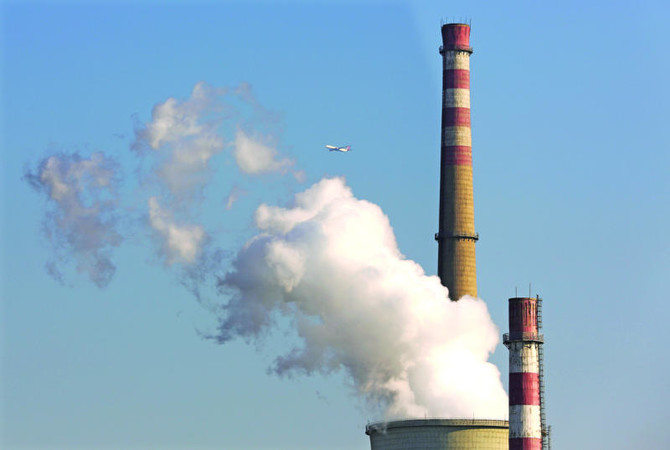
Global warming could undermine poverty fight, warns World Bank
Global warming could undermine poverty fight, warns World Bank
Latest updates


© 2026 SAUDI RESEARCH & PUBLISHING COMPANY, All Rights Reserved And subject to Terms of Use Agreement.