RIYADH: Gulf economies could rebound sharply in 2027, with the World Bank forecasting 10.3 percent growth if the Iran conflict does not escalate this year.
The organization made the claim on the basis that oil production and shipping return to normal from early 2027, with trade, tourism and domestic activity also looking to bounce back following the disruption caused by the US-led ward.
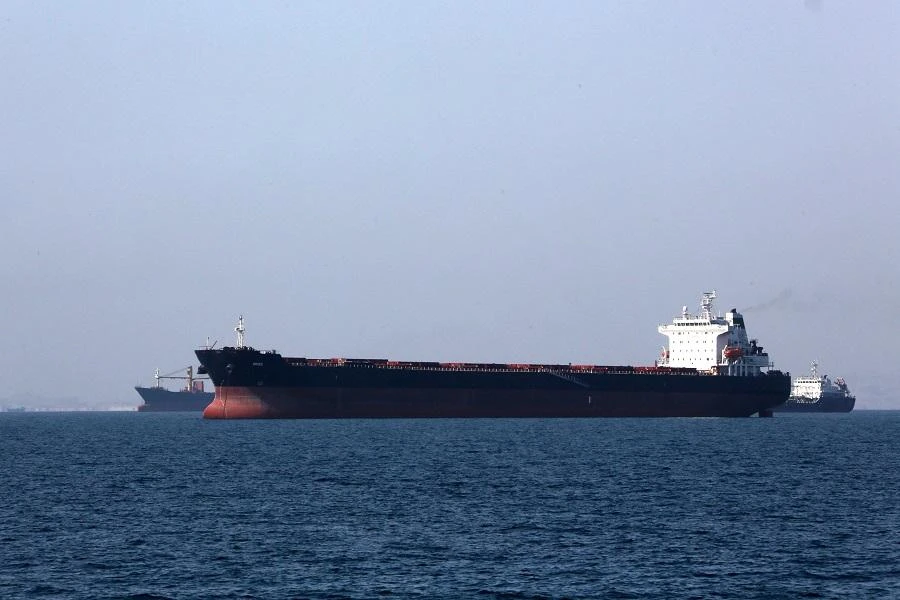
The impact of the conflict, which has led to extensive disruptions in the Strait of Hormuz, is likely to see Gulf Cooperation Council economies contract by 4.3 percent in 2026, according to the report.
Output in the Middle East, North Africa, Afghanistan and Pakistan is also projected to decline by 2.1 percent this year, following growth of 3.3 percent in 2025.
“If the conflict subsides by the end of 2026, growth in the MENAAP region, excluding Iran, is projected to rebound to 7.8 percent in 2027, driven largely by the recovery of hydrocarbon production and exports. However, a regional recovery is not guaranteed and will require sustained policy efforts,” said the World Bank.
Saudi economy to rebound to 7.9%
The World Bank forecast Saudi Arabia’s economy to contract by 2 percent in 2026 before rebounding by 7.9 percent over the following 12 months.
The Kingdom has been partly shielded from the impact of the oil export disruption, thanks to the East–West Pipeline, which carries crude to Yanbu on the Red Sea.
Commenting on the Kingdom’s economic growth in 2027, Thomas Kuruvilla, managing partner of Arthur D. Little Middle East and India, said that the Kingdom is entering the rebound next year with a broader economic base than in previous oil cycles.
“Construction, logistics, business services, tourism and hospitality should all benefit from stronger activity, while continued investment under Vision 2030 can reinforce their longer-term development,” said Kuruvilla.
He added: “The important question for 2027 is how effectively the oil recovery translates into greater private-sector activity, productivity and investment. If that happens, the rebound can accelerate diversification rather than simply lift growth cyclically.”
Kuruvilla expects the Kingdom’s tourism sector to gain substantial benefits from the economic recovery next year, as the nation has built a substantial pipeline across hospitality, entertainment and destination development.
“Destinations that establish distinctive propositions and repeat demand will be particularly well placed to benefit from the recovery,” added Kuruvilla.
Wider outlook
According to the World Bank report, the Middle East and North Africa economy is projected to contract by 2.8 percent in 2026, following 3.4 percent growth in 2025.
The World Bank projects Qatar’s gross domestic product growth to reach 26.7 percent in 2027 as liquefied natural gas production resumes, while Kuwait’s economy is expected to grow 22 percent as oil exports normalize.
In the UAE, economic growth in 2027 is projected at 9.5 percent, followed by Bahrain at 4.2 percent and Oman at 3.4 percent.
Kuruvilla said that greater regional stability and a recovery in economic activity should help boost investor confidence across the region.
“Evidence of commercially attractive opportunities, stronger private-sector cash flows and increasing risk-sharing with private investors would signal that the rebound is becoming a broader and more durable re-rating of the GCC region,” said Kuruvilla.
Latest NewsPakistan
Pakistan briefs UN chief on US-Iran mediation efforts during Islamabad talksGulf economies set for 10.3% rebound in 2027 if oil flows rebound: World Bank